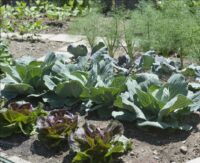
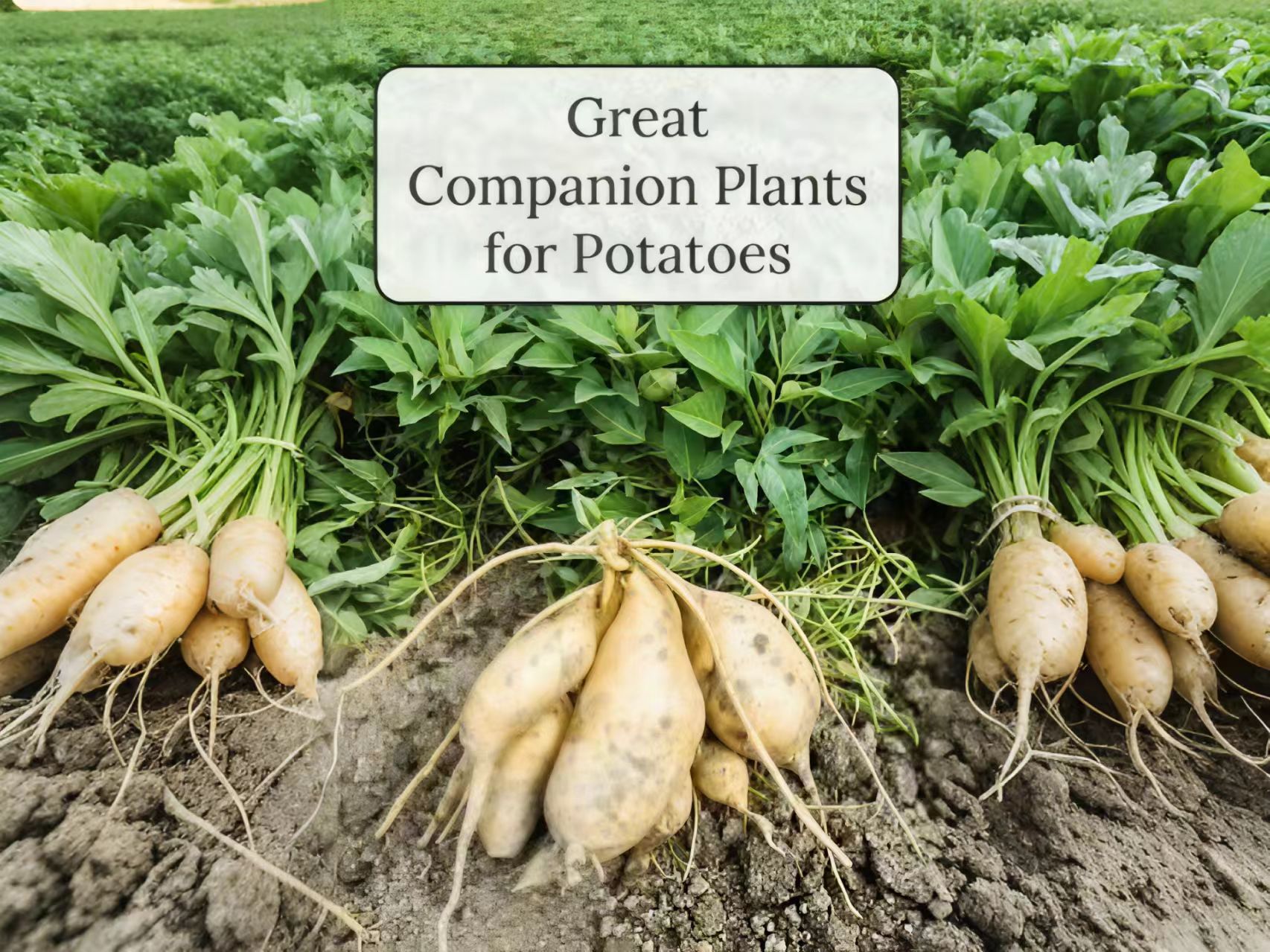
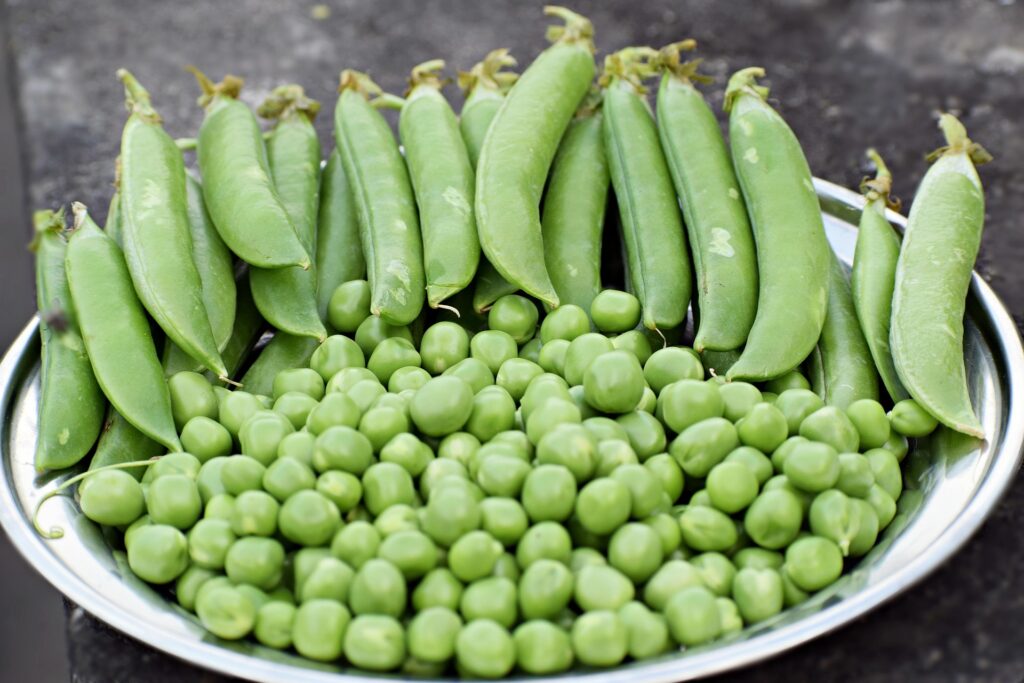
If you’re looking for a low-effort way to improve your garden’s productivity, pairing potatoes with legumes might be one of the smartest moves you can make. The image illustrates a classic companion planting method where underground crops (like potatoes) and nitrogen-fixing plants (like beans or peas) work together to create a more balanced, fertile growing system.
Let’s break down why this pairing works so well—and how you can apply it in your own backyard.
Why Potatoes and Legumes Work So Well Together
At first glance, these plants seem unrelated. Potatoes grow underground, forming tubers, while legumes grow above ground with leafy vines or bushy stems. But beneath the soil, something powerful is happening.
Legumes enrich the soil naturally.
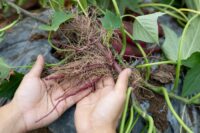
Their roots host beneficial bacteria that capture nitrogen from the air and convert it into a form plants can use. This process acts like a natural fertilizer, feeding nearby crops—including your potatoes.
Potatoes make efficient use of that nutrition.
As heavy feeders, potatoes benefit greatly from the extra nitrogen, which supports strong foliage and better tuber development.
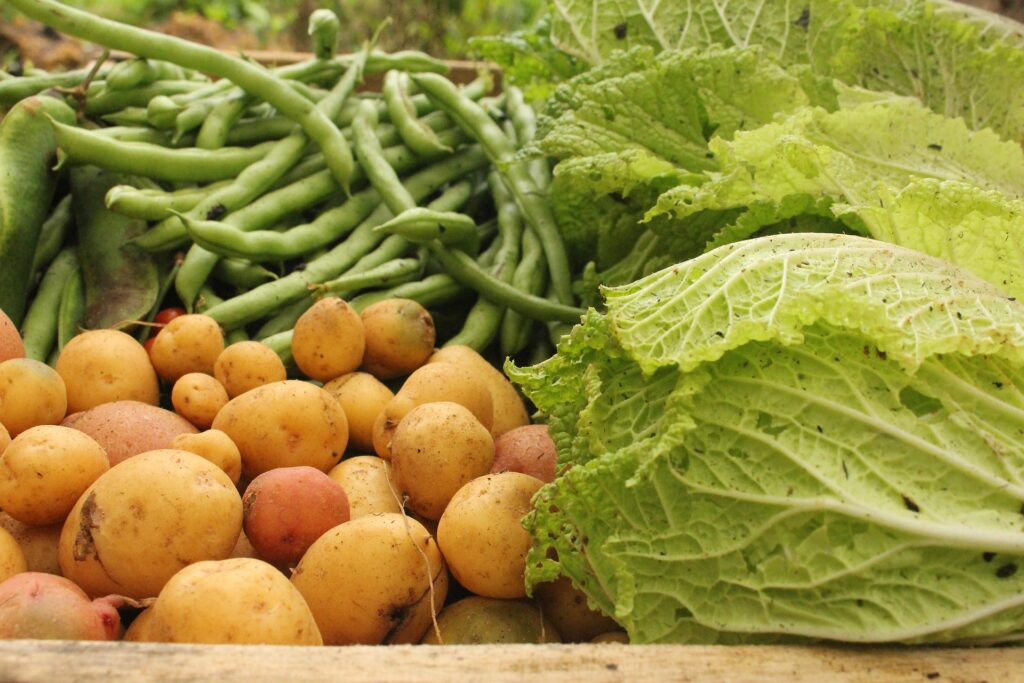
Key Benefits of This Planting Method
-
Natural Soil Fertility
Instead of relying heavily on synthetic fertilizers, legumes continuously improve soil quality throughout the growing season.
-
Better Moisture Retention
The leafy canopy of legumes helps shade the soil, reducing evaporation and keeping the ground cooler and more hydrated.
-
Weed Suppression
Dense legume growth limits space for weeds to establish, saving you time and effort.
-
Efficient Use of Space
Since potatoes grow downward and legumes grow upward or outward, they don’t compete heavily for the same space.
-
Increased Yields
Healthier soil and better moisture balance often lead to more productive plants on both sides.
How to Plant Potatoes and Legumes Together
Here’s a simple way to get started:
Step 1: Prepare Your Soil
Loosen the soil well so potato tubers can expand easily. Good drainage is key.
Step 2: Plant Potatoes First
Space seed potatoes in rows or mounds, about 8–12 inches apart.
Step 3: Add Legumes Nearby
Plant beans or peas alongside or between potato rows. Bush beans work well in tighter spaces, while pole beans may need support.
Step 4: Maintain Balanced Growth
Make sure legumes don’t completely overshadow potatoes—both plants need sunlight.
Step 5: Water Consistently
Keep soil evenly moist, especially during tuber formation.
Growth Stages to Watch
Seedling Stage: Both crops establish roots—keep soil moist but not waterlogged.
Vegetative Growth: Legumes begin nitrogen fixation; potatoes develop strong foliage.
Maturity: Potatoes form tubers underground while legumes produce pods above.
Planting Tips for Best Results
-
Avoid overcrowding—good airflow prevents disease.
-
Choose compatible varieties (e.g., early potatoes with fast-growing beans).
-
Keep soil loose to allow tubers to expand freely.
-
Harvest legumes regularly to encourage continued production.
Quick Q&A
Q1: Will legumes compete with potatoes for nutrients?
Not significantly. In fact, legumes add nutrients—especially nitrogen—making them beneficial partners rather than competitors.
Q2: Can I use any type of bean or pea?
Yes, but bush beans and peas are easiest for beginners. Pole beans work too but may require trellising.
Q3: Do I still need fertilizer?
You may need less than usual. A small amount of balanced fertilizer at planting can help, but legumes reduce the need for nitrogen supplements.
Q4: What if my soil is poor?
This method is especially helpful in poor soil. Over time, legumes will improve fertility and structure.
Q5: When should I harvest potatoes?
Once the plant foliage begins to yellow and die back, your potatoes are ready to dig up.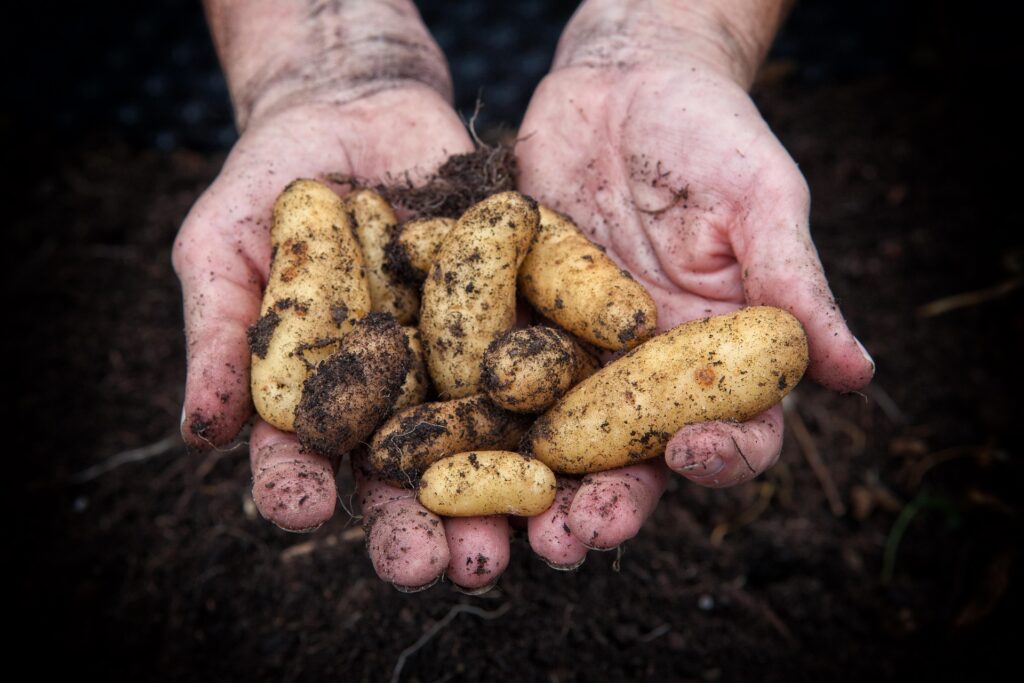
By combining potatoes with legumes, you’re not just planting crops—you’re building a small, self-supporting ecosystem in your garden. It’s efficient, sustainable, and surprisingly easy to manage.