Healthy soil is the foundation of a thriving garden—but many everyday gardening products quietly damage the living ecosystem beneath your plants. The image you provided highlights six common practices that can harm soil life, along with smarter, more sustainable alternatives.
Let’s break them down and explore how you can build a healthier, more productive garden—especially in a typical American backyard setting with raised beds.
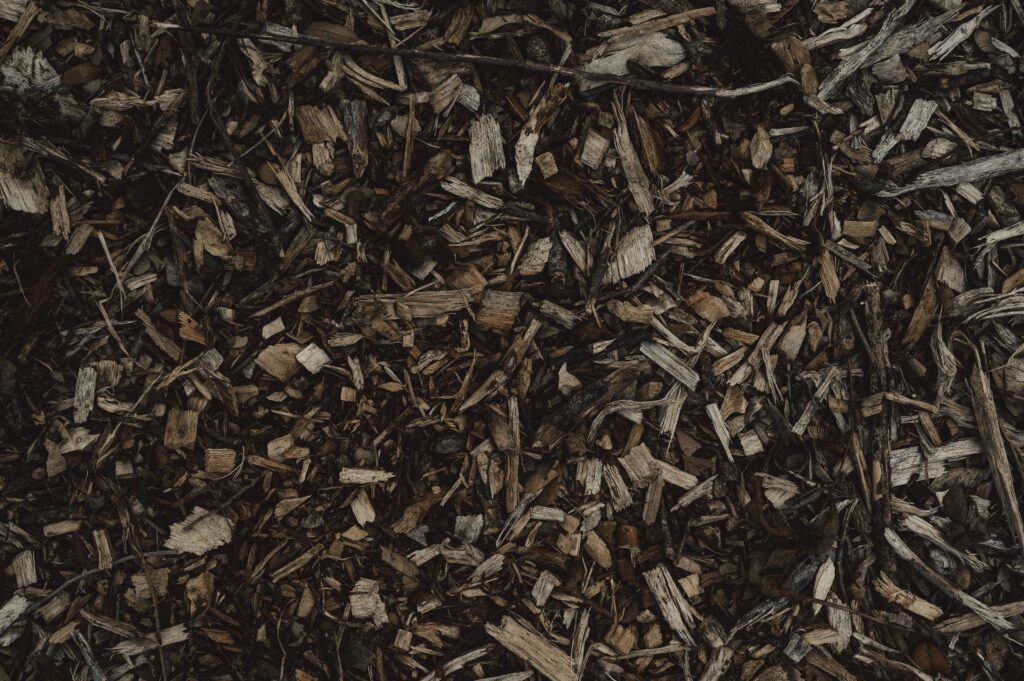
1. Landscape Fabric → Wood Chip Mulch
Landscape fabric is often marketed as a weed-blocking solution, but it comes with a hidden cost. Over time, it prevents air and water from moving freely through the soil and can suppress beneficial fungi and organisms.
Better alternative: Wood chip mulch
-
Naturally suppresses weeds
-
Retains moisture
-
Feeds soil microbes as it decomposes
-
Encourages beneficial fungal networks
In raised beds, a 2–3 inch layer of mulch works wonders without suffocating your soil.
2. Synthetic Fertilizers → Compost
Synthetic fertilizers deliver quick nutrients—but they can harm soil biology, especially beneficial bacteria and fungi. Overuse may even lead to nutrient imbalances and long-term soil degradation.
Better alternative: Compost
-
Releases nutrients slowly and naturally
-
Improves soil structure
-
Supports a rich microbial ecosystem
-
Enhances water retention
Think of compost as “feeding the soil,” not just the plant.
3. Peat Moss → Coconut Coir
Peat moss has long been a gardening staple, but it’s harvested from ancient bogs that take thousands of years to form—making it unsustainable.
Better alternative: Coconut coir
-
Renewable byproduct of coconut processing
-
Excellent water retention
-
Improves soil aeration
-
Eco-friendly and widely available
Perfect for seed starting mixes and raised bed blends.
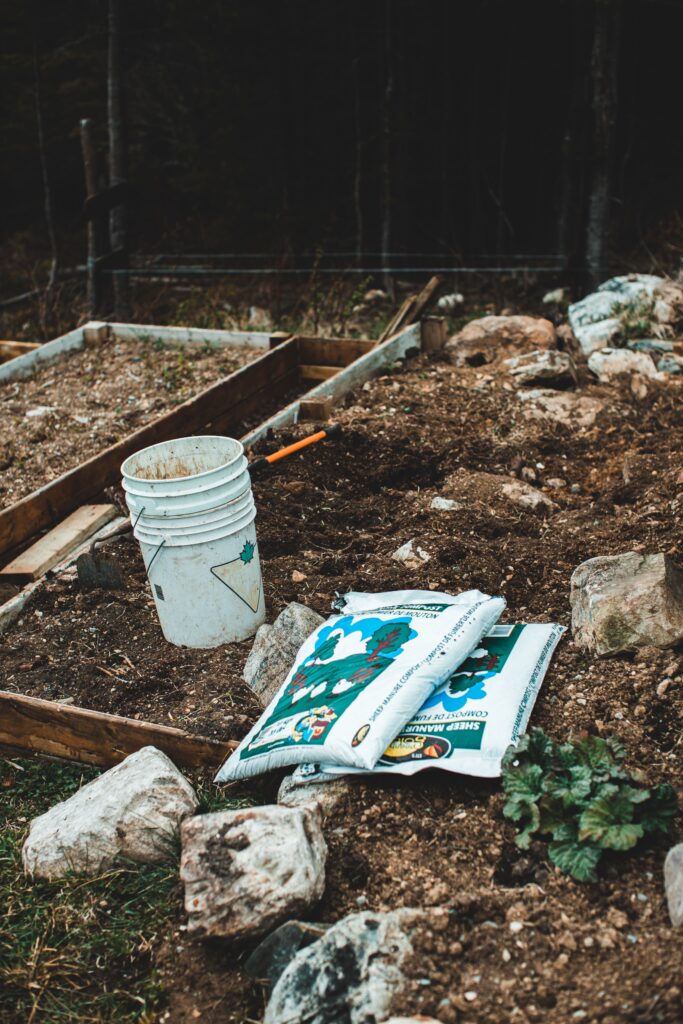
4. Tilling → Broadforking / No-Till Gardening
Frequent tilling may seem beneficial, but it disrupts soil structure and destroys the underground network of fungi (mycorrhizae) that plants rely on.
Better alternative: Broadforking or no-till methods
-
Loosens soil without turning it over
-
Preserves microbial life
-
Maintains natural soil layers
-
Reduces erosion
In home gardens, less disturbance = more life below ground.
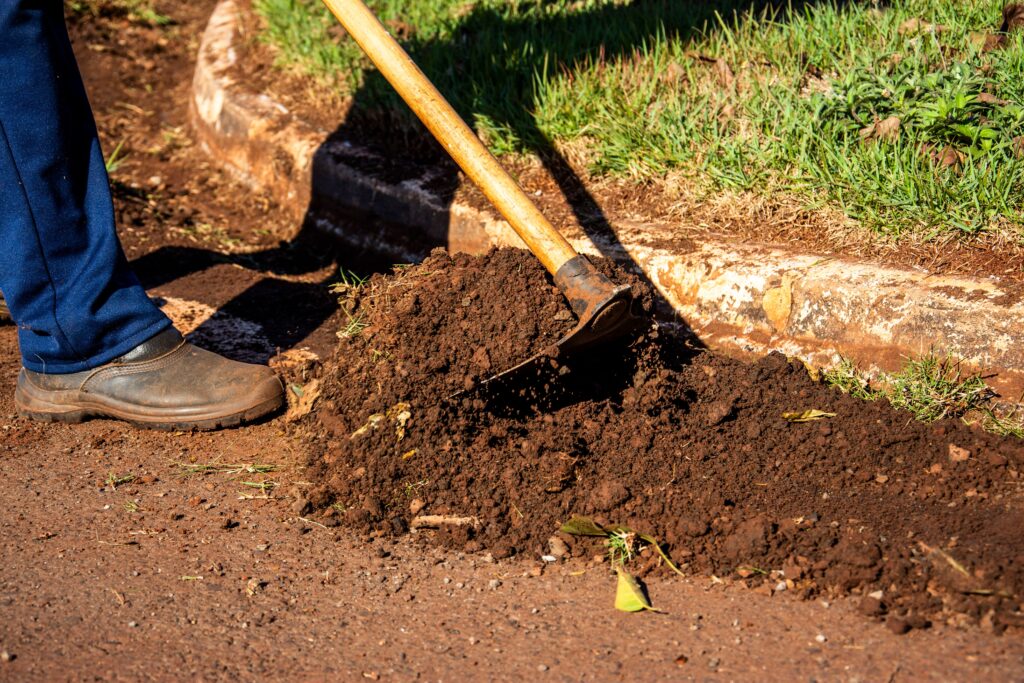
5. Chemical Fungicides → Compost Tea
Chemical fungicides don’t just target harmful fungi—they often wipe out beneficial ones too, weakening your soil ecosystem.
Better alternative: Compost tea
-
Introduces beneficial microbes
-
Helps suppress disease naturally
-
Strengthens plant immunity
-
Easy to make at home
Apply as a soil drench or foliar spray for best results.
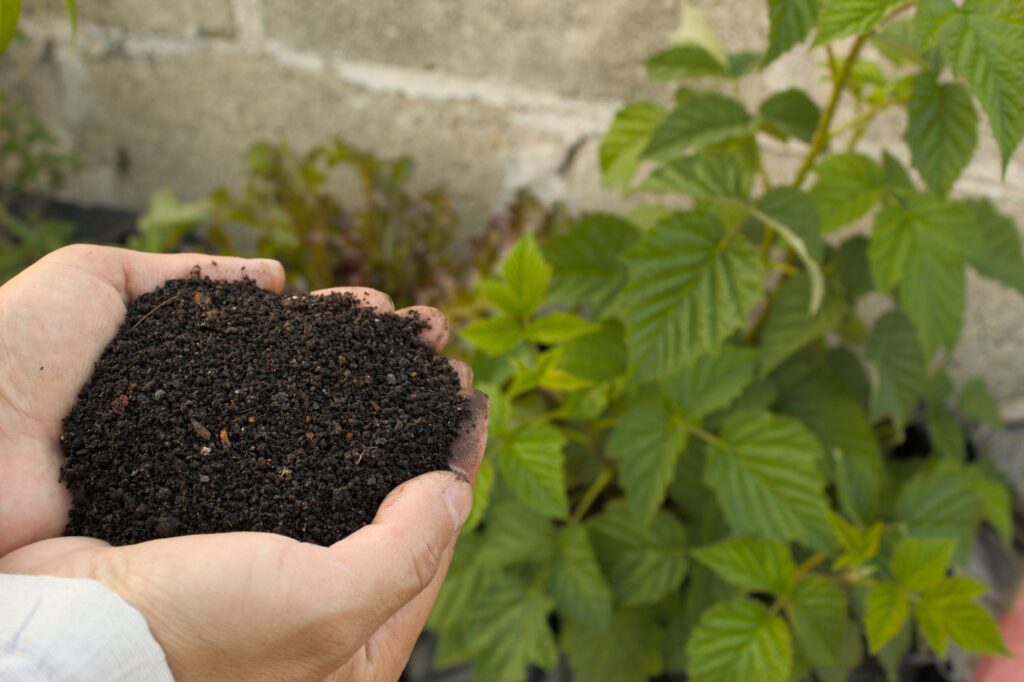
6. Plastic Weed Barriers → Cardboard
Plastic weed barriers may block weeds initially, but they create oxygen-poor zones and contribute to microplastic pollution as they break down.
Better alternative: Cardboard sheet mulching
-
Blocks weeds effectively
-
Biodegradable and safe
-
Improves soil as it decomposes
-
Encourages earthworm activity
Lay cardboard under mulch for a powerful, eco-friendly weed barrier.
Final Thoughts: Grow Soil, Not Just Plants
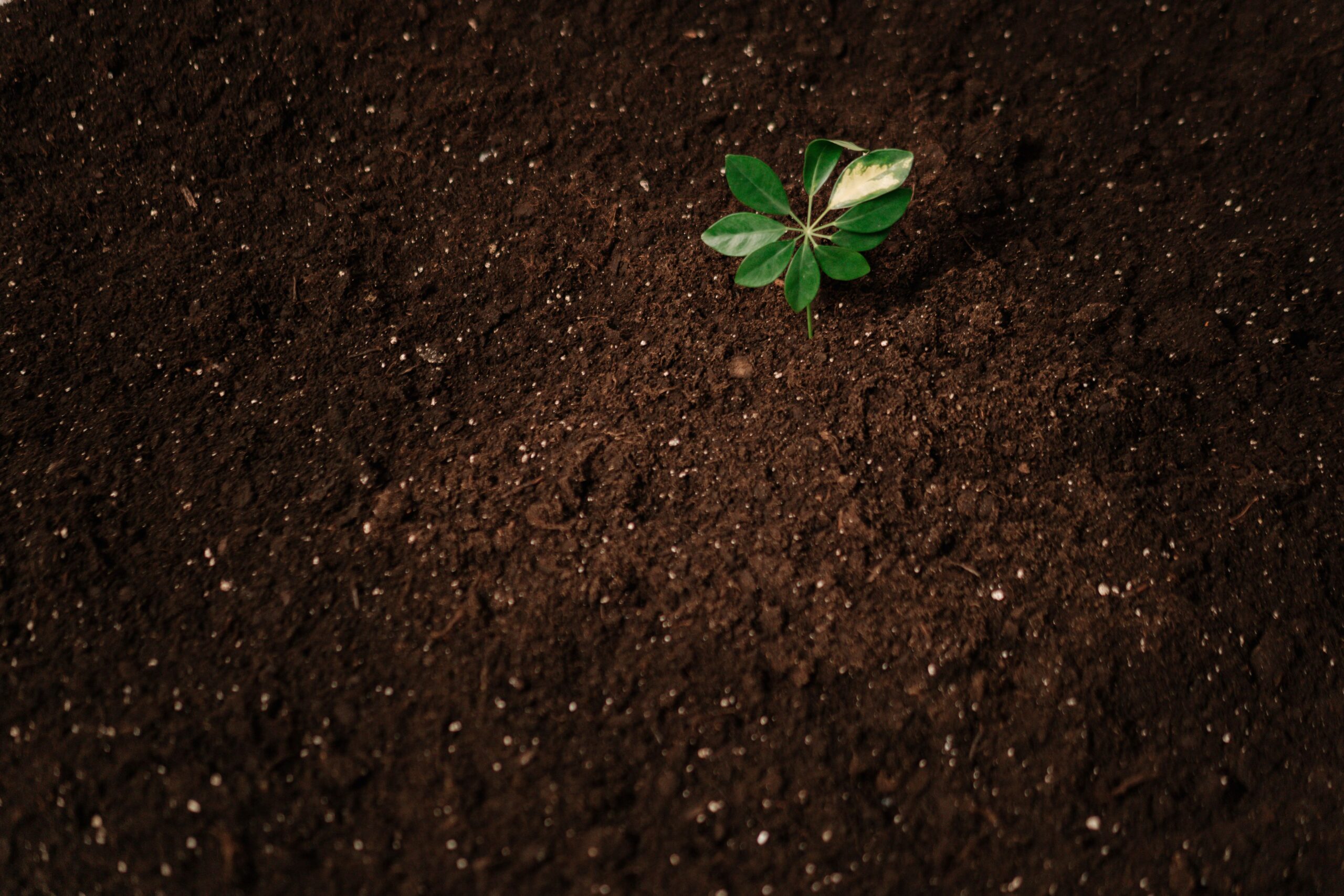
The biggest takeaway? Your soil is alive. Every choice you make—what you add, remove, or disturb—affects that living system.
By switching to natural, regenerative practices, you:
-
Boost plant health
-
Reduce pests and disease
-
Improve yields over time
-
Build a sustainable garden ecosystem
Whether you’re growing tomatoes, herbs, or leafy greens in a raised bed, focusing on soil health will always pay off.