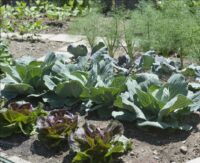
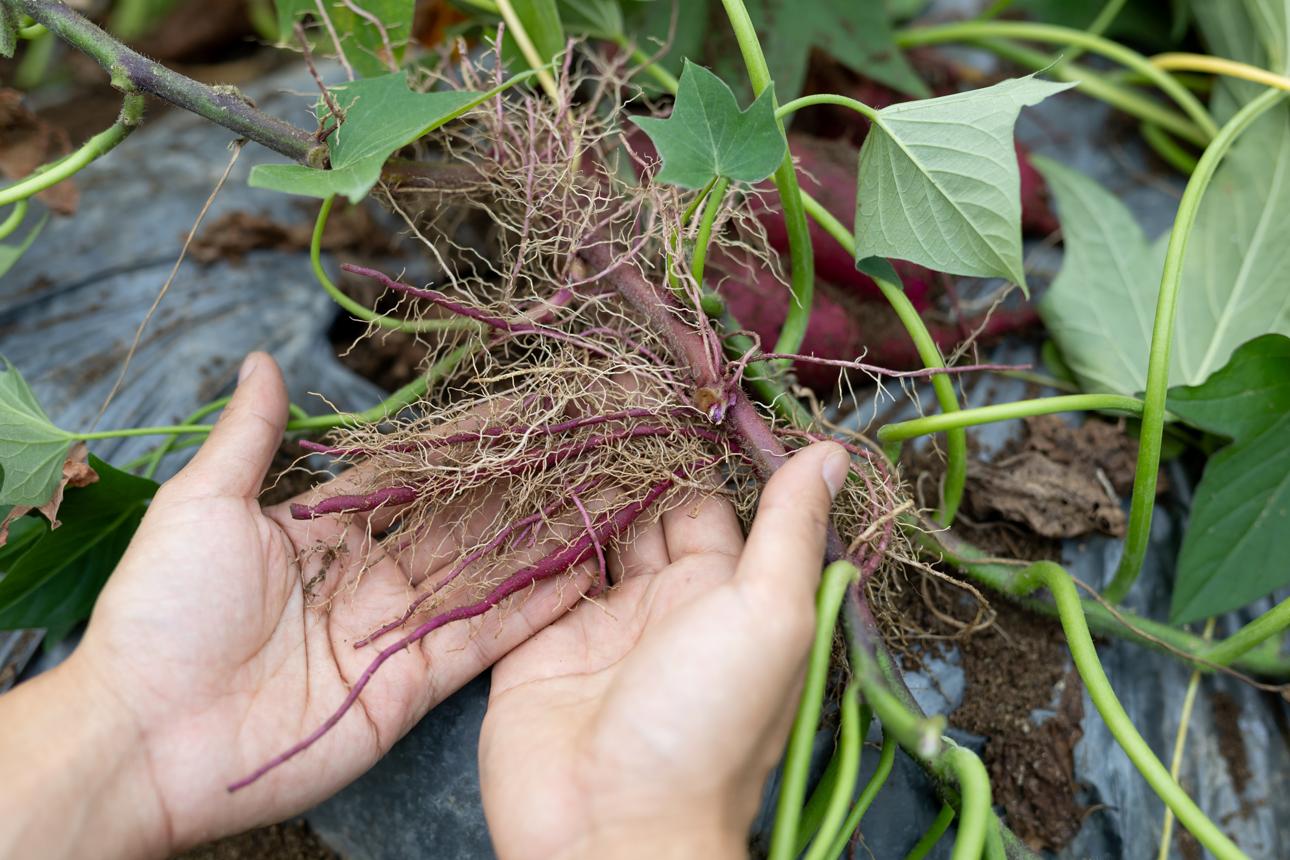
If you want to get more out of your garden without expanding your space, pairing sweet potatoes with brassica crops (like broccoli, cabbage, or kale) is a powerful strategy. This method focuses on deep soil utilization, staggered growth, and reduced competition—helping you grow more while improving your soil at the same time.
Let’s break down why this combination works so well.
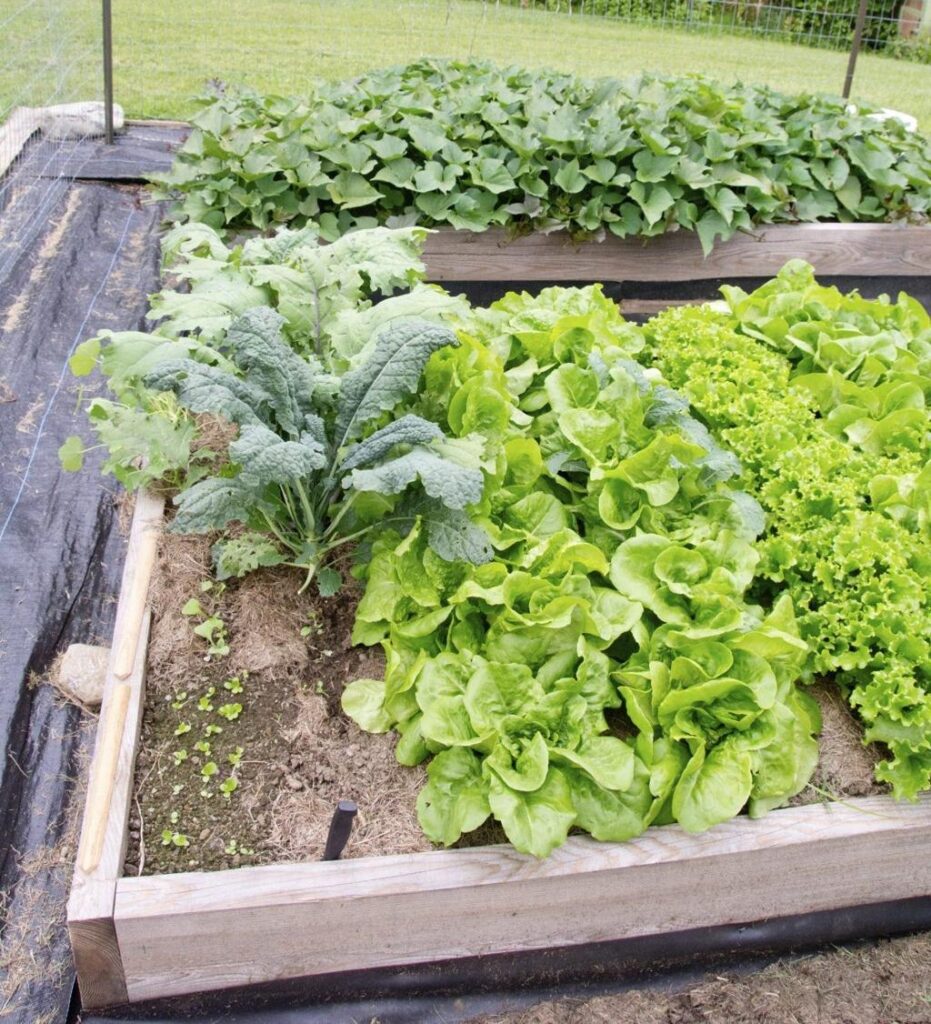
The Concept: Deep + Shallow Root Synergy
Sweet potatoes are root crops that expand underground, forming large tubers. Brassicas, on the other hand, tend to grow above ground with moderately deep but less aggressive roots.
When planted together:
-
Sweet potatoes occupy the lower soil layers
-
Brassicas use the upper soil zone
-
Nutrient competition is minimized
This creates a layered growing system, similar to how plants coexist in nature.
Key Benefits of This Pairing
1. Full Use of Soil Space
Instead of having roots competing in the same zone:
-
Sweet potatoes grow downward and outward
-
Brassicas remain more surface-oriented
-
Soil nutrients are used more efficiently
This means more productivity per square foot.
2.Improved Soil Structure
As sweet potatoes expand underground:
-
They help loosen compacted soil
-
Improve aeration and drainage
-
Create better conditions for future crops
This makes your garden healthier over time—not just for one season.
3. Reduced Nutrient Competition
Because the plants feed at different soil depths:
-
Brassicas absorb nutrients near the surface
-
Sweet potatoes draw from deeper layers
-
Both crops grow without starving each other
4. Staggered Growth Cycles
Timing plays a key role:
-
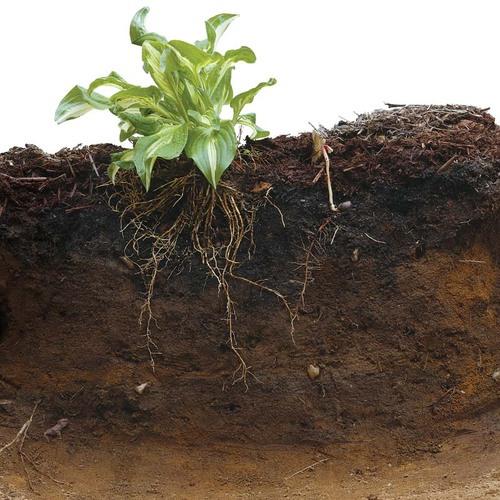
Brassicas establish early and grow upright
-
Sweet potatoes spread later, covering the ground
-
Each plant develops during a different phase
This reduces overcrowding and keeps growth balanced.
5. Natural Ground Cover
As sweet potato vines spread:
-
They act like living mulch
-
Suppress weeds
-
Retain soil moisture
This reduces maintenance and watering needs.
How the Growth Stages Work Together
-
Early stage: Brassicas grow quickly and establish structure
-
Mid stage: Sweet potatoes begin root expansion
-
Late stage: Vines spread, covering soil while roots mature underground
This layered timing maximizes both space and efficiency.
Planting Tips for Best Results
-
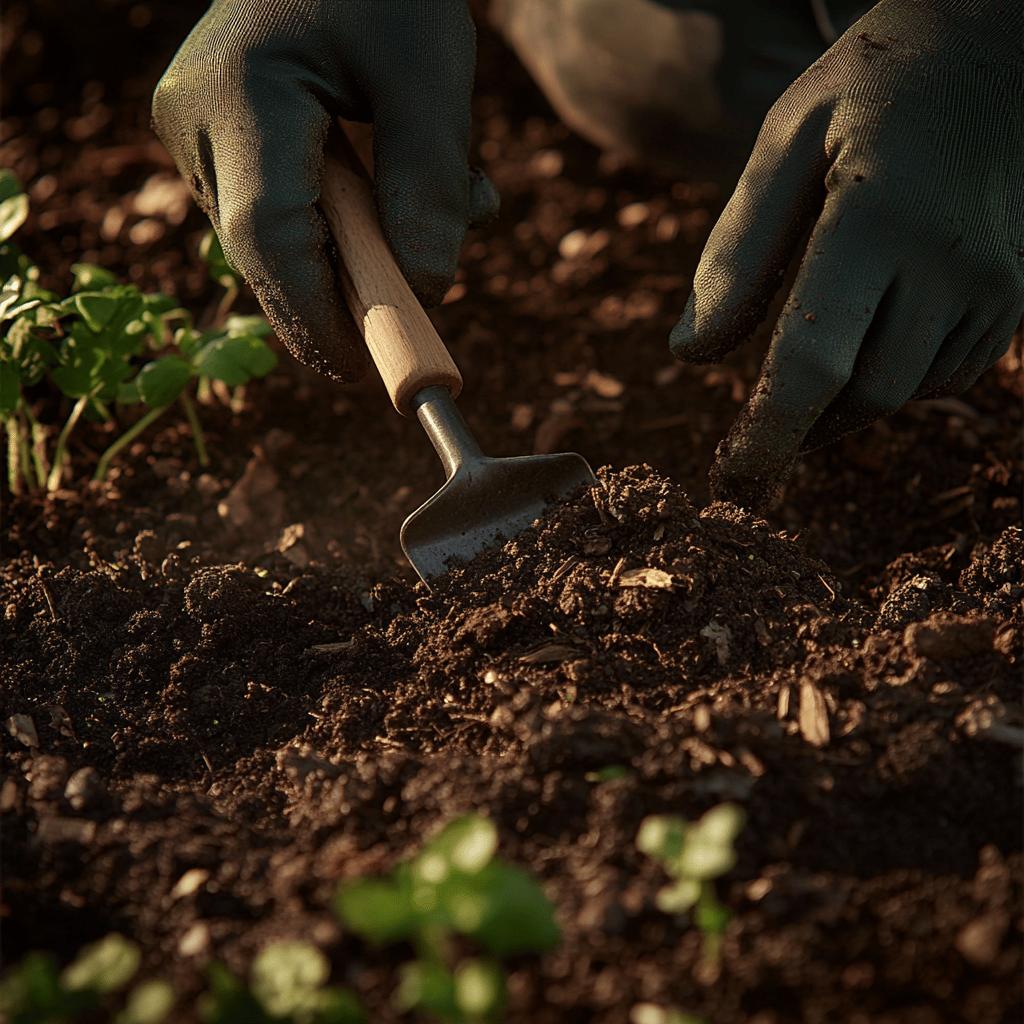
✔️ Space plants to allow root expansion underground
-
✔️ Plant brassicas first, then introduce sweet potatoes
-
✔️ Use loose, well-drained soil for better tuber development
-
✔️ Keep soil consistently moist but not waterlogged
-
✔️ Rotate crops seasonally to maintain soil health
Things to Watch Out For
-
Sweet potato vines can spread aggressively—manage their growth
-
Brassicas need sufficient sunlight—avoid excessive shading
-
Nutrient-poor soil may still require compost or amendments
Why This Pairing Works
This combination is all about efficiency and balance:
-
Different root depths prevent competition
-
Growth timing reduces crowding
-
Soil structure improves naturally
It’s a smart, sustainable way to garden—especially if you want better yields without more space.
Final Thoughts
Pairing sweet potatoes with brassicas is a great example of how thoughtful planting can transform your garden. By using both above-ground and below-ground space, you create a system that’s productive, resilient, and soil-friendly.
If you’re aiming for healthier soil and bigger harvests, this is a companion planting strategy worth trying.