

If you’re looking for a natural way to improve plant health, maximize space, and boost your harvest, companion planting is one of the most effective strategies—and one of the simplest combinations to start with is lettuce and corn.
This pairing isn’t random. It’s based on how plants interact with light, temperature, and soil conditions. When done right, these two crops support each other in ways that can noticeably improve your garden’s productivity.
The Core Idea: Tall + Low-Growing Synergy
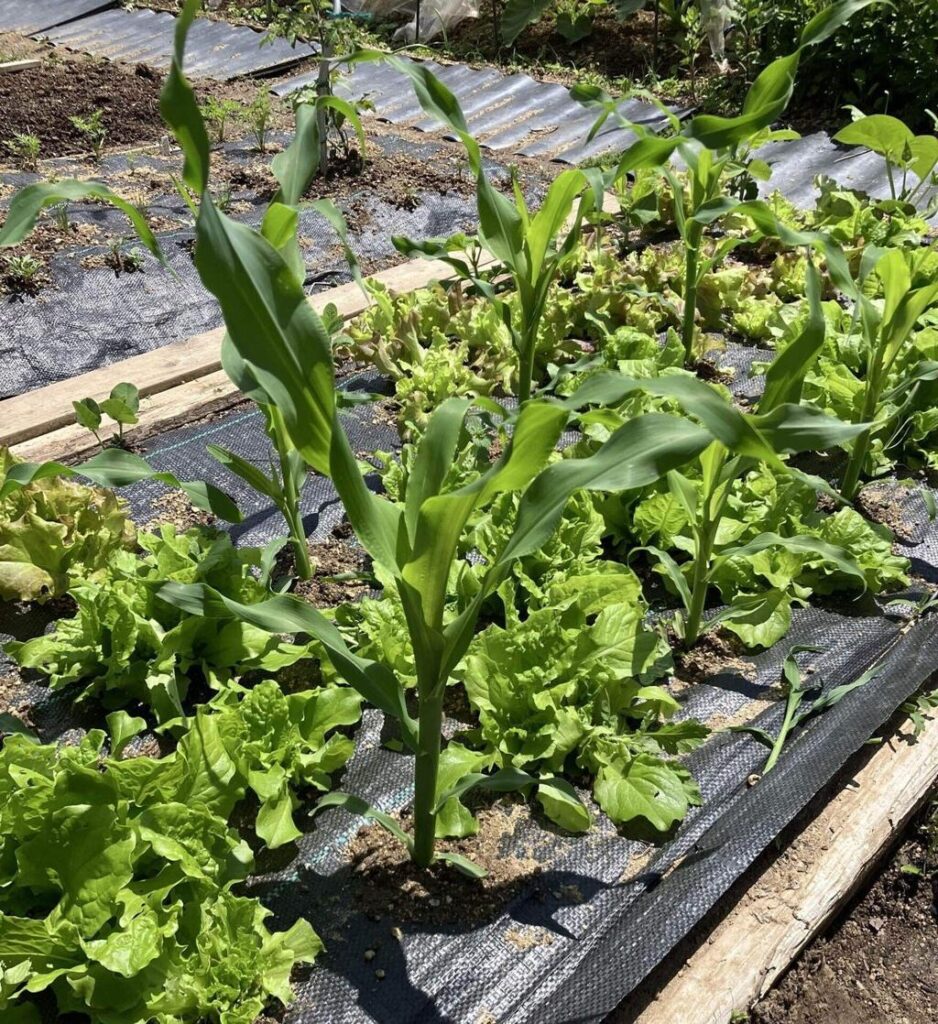
Corn is a tall, sun-loving crop, while lettuce is a low-growing, cool-season leafy green. When planted together:
-
Corn acts as a natural shade provider
-
Lettuce benefits from reduced heat stress
-
Soil moisture is better preserved
This creates a small but powerful microclimate right in your garden bed.
Key Benefits of Planting Lettuce with Corn
-
Natural Shade = Cooler Soil
Tall corn stalks block harsh, direct sunlight. This helps:
Prevent lettuce from bolting (going to seed too early)
Maintain a lower soil temperature
Extend your lettuce harvest into warmer months
-
Efficient Use of Space
Instead of planting crops separately, this pairing allows:
Vertical layering (corn above, lettuce below)
More crops per square foot
A cleaner, more organized garden layout
-
Moisture Retention
Lettuce acts like a living mulch:
Covers exposed soil
Reduces evaporation
Helps maintain consistent moisture levels
-
Improved Harvest Quality
With less heat stress and more stable conditions:
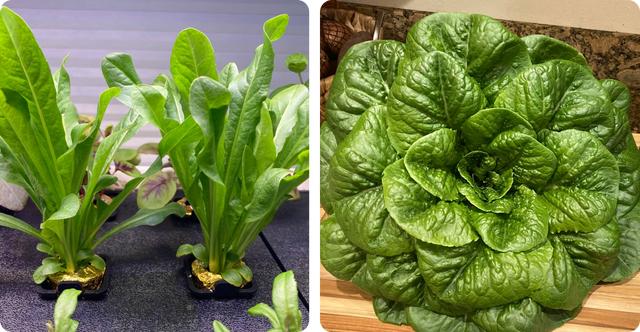
Lettuce stays crisp and tender
Corn grows strong and upright
Overall yield becomes more reliable
How the Growth Stages Work Together
Timing matters in this pairing:
-
Early stage: Lettuce grows quickly while corn is still small
-
Mid stage: Corn begins to provide partial shade
-
Late stage: Mature corn offers full shading while lettuce finishes its cycle
This staggered growth ensures both plants get what they need—when they need it.
Planting Tips for Best Results
To get the most out of this combo:
-
✔️ Plant corn in rows with enough spacing for airflow
-
✔️ Sow lettuce between or alongside corn rows
-
✔️ Avoid overcrowding—lettuce still needs some light
-
✔️ Water consistently to support both crops
-
✔️ Choose heat-tolerant lettuce varieties for better performance
What to Watch Out For
While this pairing is beginner-friendly, a few mistakes can reduce effectiveness:
-
Too much shade → lettuce may grow slowly
-
Poor spacing → airflow issues and disease risk
-
Uneven watering → affects both crops differently
Balance is key.
Why This Pairing Works So Well
At its core, this method mimics natural ecosystems:
-
Plants of different heights share sunlight efficiently
-
Soil stays protected and biologically active
-
Growth conditions become more stable
It’s a simple system—but surprisingly powerful.

Final Thoughts
If you want a low-effort way to improve your garden, lettuce and corn companion planting is a great place to start. It saves space, protects your crops, and creates a healthier growing environment overall.
Whether you’re working with a backyard plot or raised beds, this pairing proves that sometimes, the best results come from letting plants help each other.