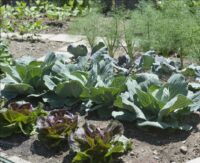
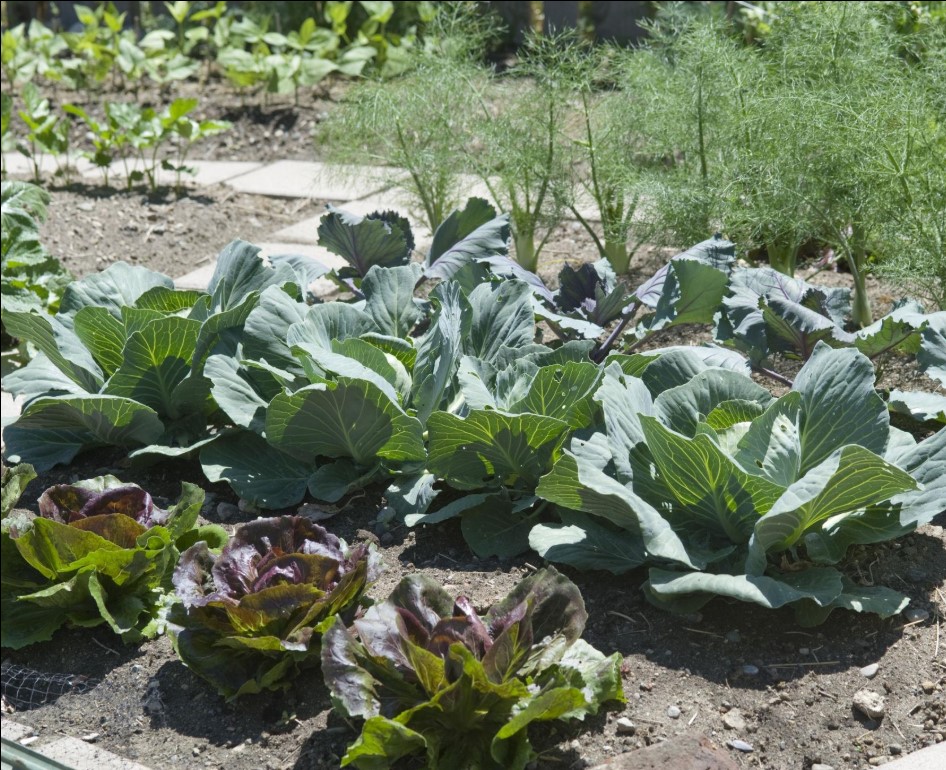
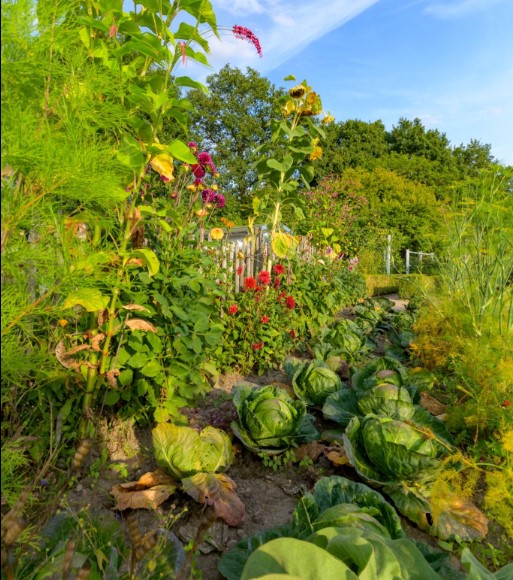
If you’re looking for a simple, low-maintenance way to protect your cabbage while improving your garden ecosystem, pairing cabbage with dill is a powerful companion planting strategy. This classic combination not only helps reduce pests naturally but also improves airflow, biodiversity, and overall plant health—perfect for American backyard raised beds.
Why Plant Cabbage and Dill Together?
1. Natural Pest Repellent
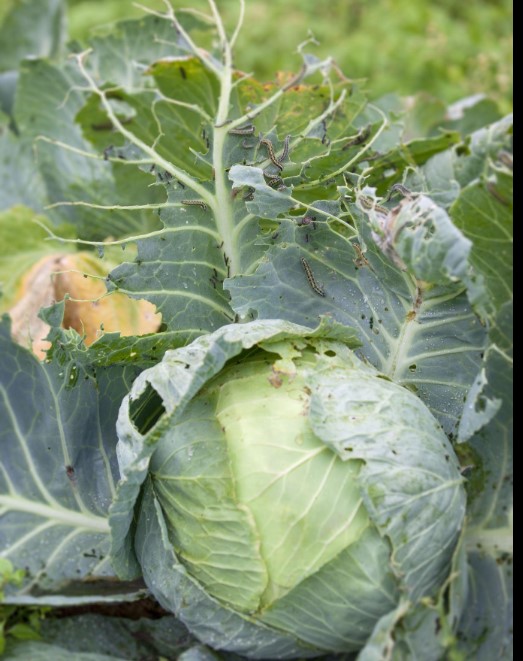
Dill emits a strong, aromatic scent that confuses and repels common cabbage pests like cabbage worms and loopers. These insects rely on scent to locate host plants, and dill disrupts that signal—making your cabbage harder to find.
At the same time, dill attracts beneficial insects like parasitic wasps and hoverflies. These predators actively hunt and reduce pest populations, creating a natural defense system in your garden.
2. Visible Reduction in Leaf Damage
Gardeners often notice a clear difference:
-
Cabbage grown alone → more holes and chewing damage
-
Cabbage grown with dill → fewer pests and healthier leaves
This makes companion planting a practical alternative to chemical pesticides.
3. Improved Garden Ecology
Dill enhances biodiversity by inviting pollinators and predatory insects. A more diverse garden is:
-
More resilient to pest outbreaks
-
Less dependent on intervention
-
Better for long-term soil and plant health
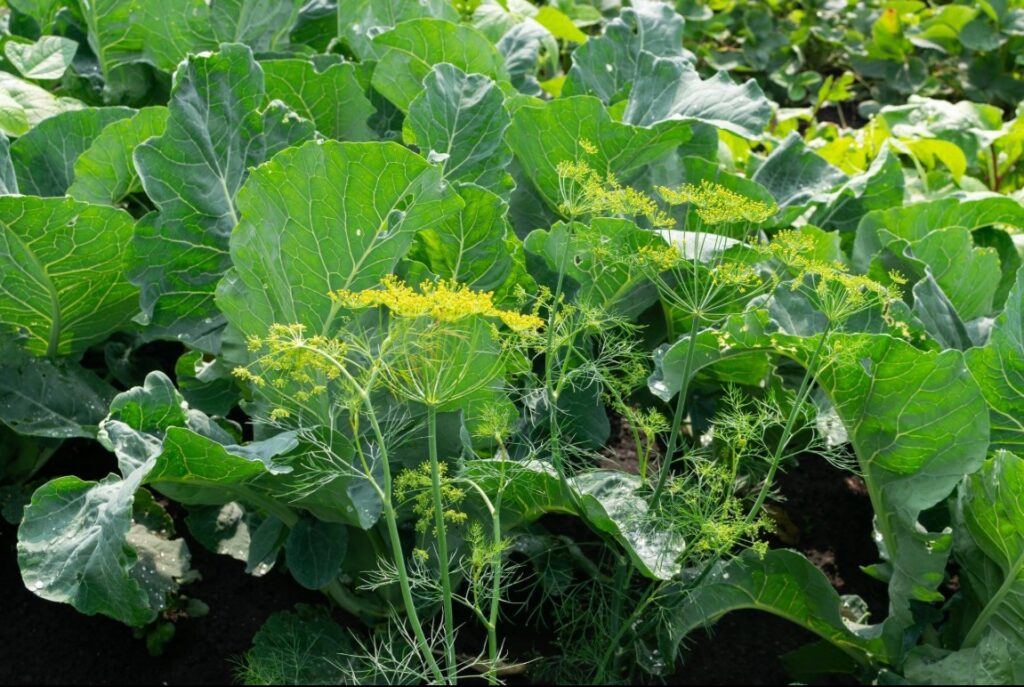
Smart Planting Layout
Row Structure
-
Alternate rows of cabbage and dill
-
Keep spacing balanced to avoid overcrowding
Height Advantage
-
Cabbage: low, dense heads
-
Dill: tall, airy foliage
This creates a layered structure that improves light distribution and air circulation, reducing fungal issues.
Growth Timing Matters
For best results, align their growth stages:
-
Plant dill early so it establishes scent before pests arrive
-
Let cabbage develop alongside it for continuous protection
This ensures dill is actively working when cabbage is most vulnerable.
Airflow and Spacing Benefits
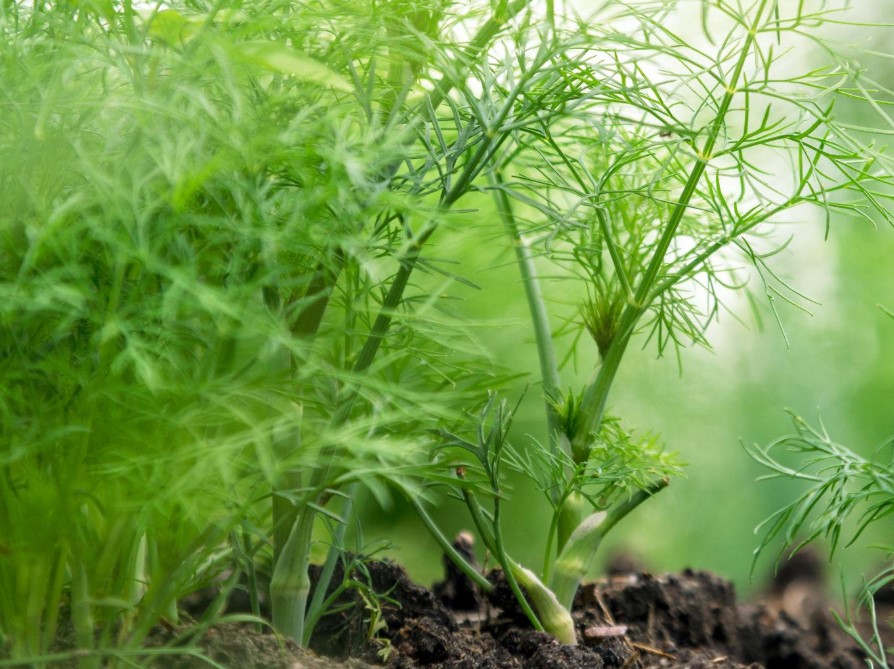
Dill’s feathery leaves don’t block airflow. Instead, they:
-
Reduce humidity buildup
-
Lower risk of mildew or rot
-
Keep the planting area breathable
Planting Tips for Success
✔ Avoid overcrowding dill—too dense reduces airflow
✔ Ensure full sun (6–8 hours daily)
✔ Use well-draining, nutrient-rich soil
✔ Water consistently but don’t overwater
✔ Ideal for spring and early summer planting in most U.S. regions
Why This Pair Works So Well
-
Cabbage: Dense, attractive to pests
-
Dill: Fragrant, pest-repelling, insect-attracting
Think of it like this:
-
Cabbage is the “target”
-
Dill is the “bodyguard”
Together, they create a balanced micro-ecosystem where pests struggle to survive.
Final Thoughts
Companion planting cabbage with dill is one of the easiest ways to:
-
Reduce pests naturally
-
Improve plant health
-
Build a thriving garden ecosystem
Whether you’re growing in a raised metal bed or a backyard plot, this pairing is a smart, beginner-friendly technique that delivers real results—without chemicals.