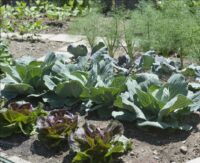
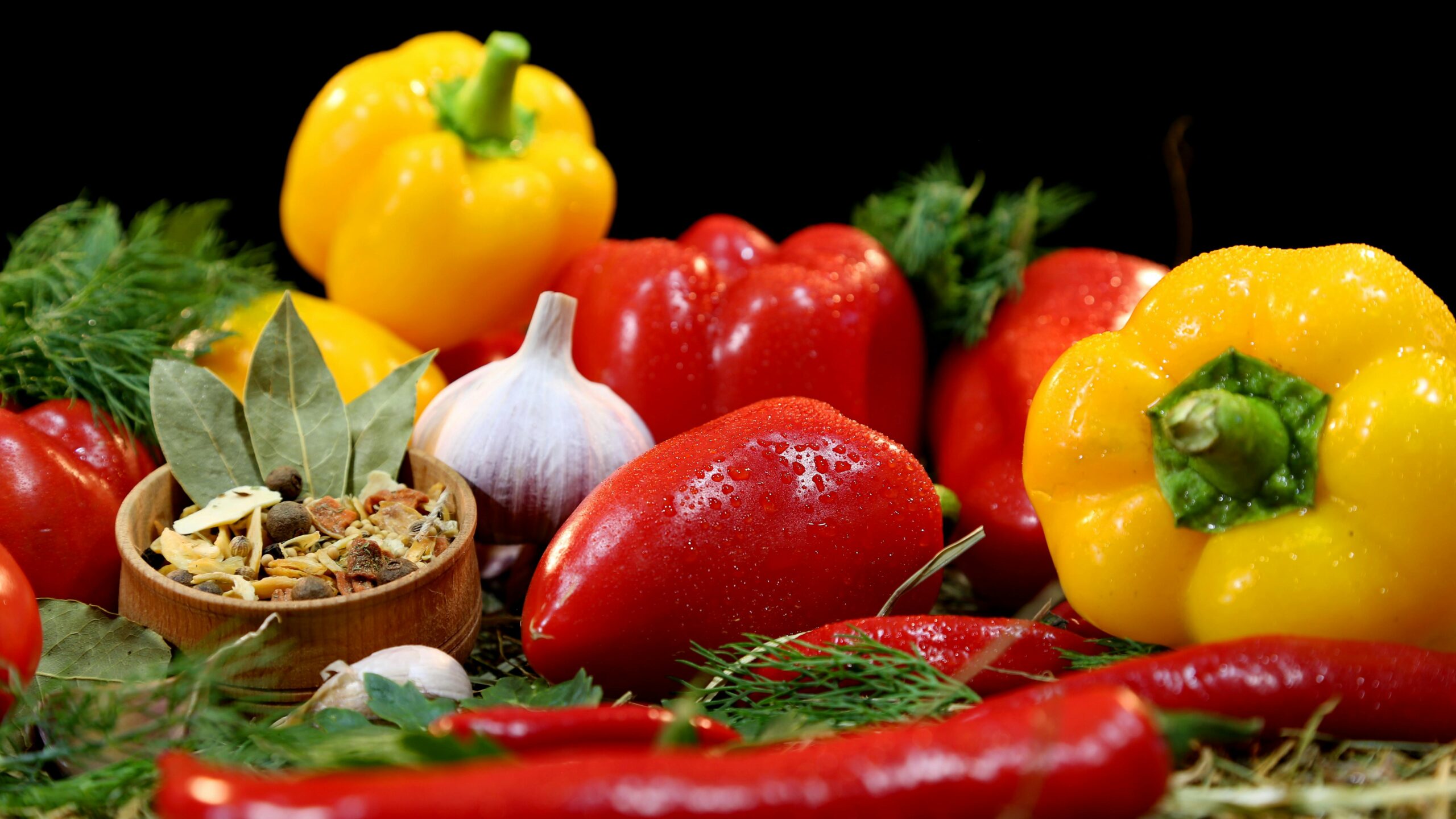
If you’re looking to get more out of your garden beds with fewer pests and healthier plants, pairing peppers and onions might be one of the smartest moves you can make. This classic companion planting combo works in harmony—both above and below the soil—to create a more resilient and productive garden.
Let’s break down why this pairing works so well and how you can apply it in your own backyard.
The Science Behind the Partnership
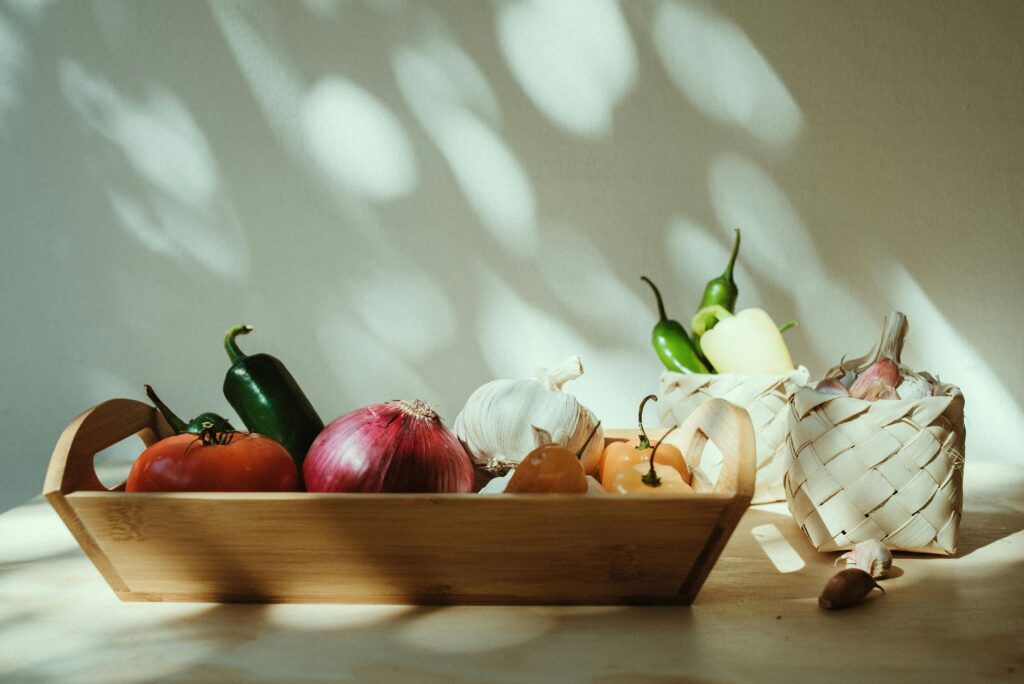
1. Natural Pest Control Through Scent
Peppers and onions each produce strong natural aromas. When planted together:
-
Their combined scents confuse and repel common garden pests.
-
Insects have a harder time locating their preferred host plant.
-
This reduces the need for chemical pesticides.
Onions, in particular, are known for releasing sulfur compounds that deter aphids, beetles, and even some fungal issues.
2. Smart Root System Cooperation
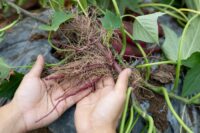
One of the biggest advantages of this pairing is how their roots grow:
-
Peppers develop a moderately deep root system.
-
Onions have shallow, vertical roots.
This means they:
-
Don’t compete for the same nutrients
-
Make efficient use of soil layers
-
Support healthier overall growth
3. Space-Efficient Planting Structure
You can plant them in patterns that maximize space and sunlight:
-
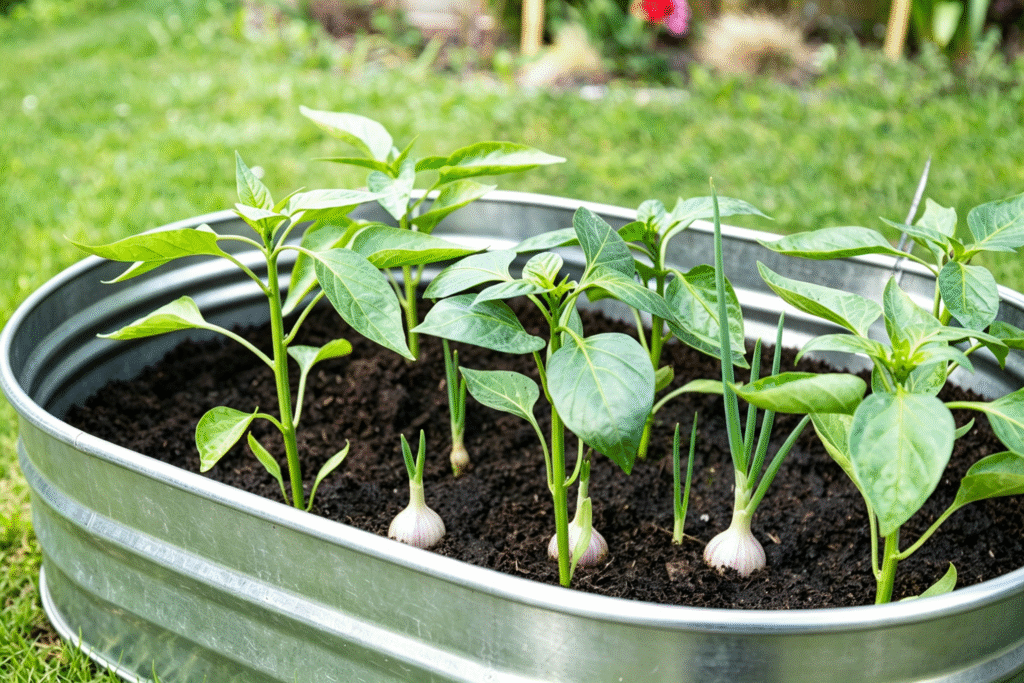
Alternate rows: one row peppers, one row onions
-
Interplant: onions between pepper plants
-
Border planting: onions around pepper beds
This not only improves airflow but also enhances pest protection across the entire bed.
4. Growth Harmony
These plants grow well together throughout their life cycle:
-
Onions establish quickly and don’t overshadow peppers
-
Peppers grow taller and benefit from the pest protection early on
-
Their growth timelines align without crowding
How to Plant Peppers and Onions Together
Here are some simple tips to get started:
1.Space plants properly to avoid overcrowding
2.Ensure full sunlight (6–8 hours daily)
3.Use loose, well-draining soil
4.Water consistently—but don’t overwater
5.Add compost or balanced fertilizer as needed
Key Benefits at a Glance
-
Reduced pest damage
-
Better nutrient usage
-
Increased yield potential
-
Natural plant cooperation
-
More sustainable gardening
Quick Q&A
Q1: Can I plant peppers and onions in containers?
Yes! Just make sure the container is deep enough (at least 12 inches) and well-drained. Space them so roots aren’t overcrowded.
Q2: Will onions affect the flavor of peppers?
No. Companion planting doesn’t alter the flavor of the vegetables—it just improves growing conditions.
Q3: How close should I plant them?
Keep about 6–10 inches between plants. Onions can be slightly closer since they grow upright.
Q4: Do they need the same amount of water?
Generally yes, but onions prefer slightly less water than peppers. Aim for balanced, moderate watering.
Q5: What pests does this combo help prevent?
Common pests like aphids, spider mites, and beetles are less likely to settle due to the strong scent combination.
Final Thoughts
Companion planting isn’t just a gardening trend—it’s a time-tested strategy. By pairing peppers and onions, you’re creating a small ecosystem where plants support each other naturally.
Whether you’re growing in raised beds or a backyard plot, this duo can help you grow healthier plants with less effort.
Happy planting!