
Growing juicy, sun-ripened strawberries at home is hands down one of my favorite backyard gardening projects over the past five years. After struggling with messy in-ground planting—muddy fruit, constant weeds, and root rot from poor drainage—I switched to oval galvanized metal garden beds, and my strawberry yields completely transformed. This sleek, structured growing setup checks every box for American backyard gardeners: outstanding drainage, controlled healthy soil, neat space planning, and a tidy outdoor aesthetic.
Whether you’re a first-time fruit grower or looking to upgrade your strawberry patch, growing berries in a galvanized raised bed cuts down maintenance, reduces common plant issues, and delivers far sweeter, cleaner fruit than traditional ground planting. Drawing from my real planting mistakes, seasonal care routines, and long-term variety testing, this practical guide breaks down every step with actionable tips and unique insights you won’t find in generic beginner articles.
1. Choose the Right Strawberry Variety (My Tested U.S. Top Picks)
One of my earliest gardening mistakes was picking random strawberry plants without understanding their growth cycles. Not all strawberries produce fruit at the same time, and choosing the wrong type will leave you disappointed with short harvests or tiny berries. There are three core categories tailored to different backyard needs:
-
June-Bearing Strawberries: Produce one heavy, abundant harvest in late spring to early summer. These berries are large, plump, and packed with flavor — my go-to for homemade jams, freezing, and batch preserving. Perfect if you want a big seasonal crop at once.
-
Ever-Bearing Strawberries: Offer two to three smaller harvests throughout spring and summer. I love these for daily fresh snacking, with steady light yields that keep your kitchen stocked without overwhelming you.
-
Day-Neutral Strawberries: My top recommendation for low-effort, long-season growing. They produce continuous fruit from early spring straight through fall, unaffected by daylight hours. For casual backyard gardeners, this is the most reliable, high-reward option.
After testing dozens of cultivars in my galvanized beds, these U.S. popular varieties stand out for great flavor and strong disease resistance: Earliglow, Albion, and Seascape. They adapt well to raised bed conditions, resist common fungal issues, and thrive in most regional climates across the country.
2. Pick the Ideal Growing Location
Strawberries are sun-loving plants, and lighting directly impacts sweetness and fruit production. I learned this the hard way by tucking a small patch in partial shade a few years back; the berries were sour, small, and sparse.
For the best results:
-
Prioritize 6–8 hours of full, direct sunlight daily
-
Select a level spot with natural airflow to fight mold and mildew
-
Avoid low-lying areas where rainwater pools
Oval galvanized garden beds shine here. Their elevated design eliminates standing water, prevents soil compaction, and keeps strawberry roots dry and healthy — a critical advantage over flat in-ground gardens that hold moisture and cause root rot.
3. Soil Preparation: Raised Bed Custom Mix for Juicier Berries
Strawberries thrive in slightly acidic soil with a pH level between 5.5–6.5. Regular backyard dirt is often too alkaline or heavy for healthy berry growth, especially in suburban yards with dense clay soil. I use a simple, proven soil mix formulated specifically for my metal raised beds:
-
Clear the bed of all weeds, rocks, and leftover garden debris
-
Blend native soil with aged compost and organic manure to boost nutrients
-
Add a small amount of peat moss to gently lower pH and boost acidity
-
Rake the soil loose and crumbly to create a soft, breathable base for shallow strawberry roots
Loose, well-aerated soil lets roots spread easily, encourages strong growth, and prevents misshapen or stunted berries — another key benefit of planting in contained galvanized beds.
4. Planting Strawberries: Avoid My Costly Beginner Mistake
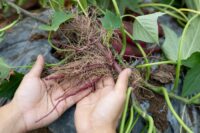
I lost nearly half my first strawberry seedlings due to improper planting depth, a common error new growers overlook. The small central growth point, known as the crown, is extremely fragile and needs precise placement.
Best planting steps for oval galvanized garden beds:
-
Plant in early spring, once all frost risk has passed
-
Space plants 12–18 inches apart, with wide spacing to boost air circulation
-
Set each seedling so the crown sits just above the soil line
-
Never bury the crown fully (causes rot) or leave shallow roots exposed (dries out quickly)
-
Water slowly and thoroughly right after planting to settle roots into loose bed soil
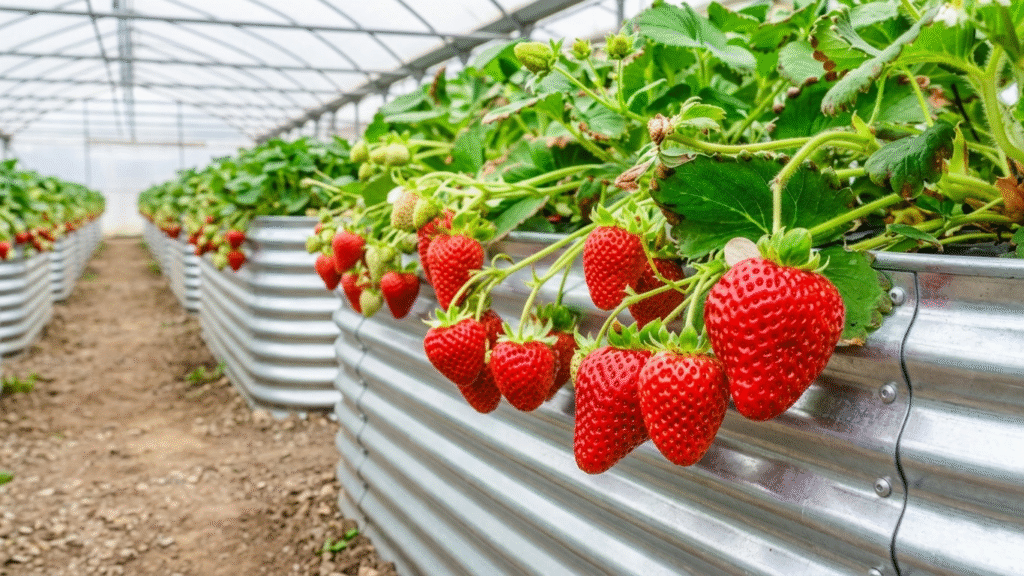
The curved layout of an oval metal bed makes staggered planting easy, letting you maximize growing space without overcrowding your strawberry plants.
5. Watering & Mulching: Keep Fruit Clean and Disease-Free
Consistent, gentle watering is key to plump strawberries, especially during active fruiting season. Aim for 1–2 inches of water weekly, adjusting for hot, dry summer weather.
I highly recommend drip irrigation for raised beds. Watering directly at the base keeps leaves completely dry, which drastically cuts down on fungal spots and blight — a recurring issue I had with overhead sprinklers in past years.
Mulching is non-negotiable for clean, high-quality berries, and it’s my favorite low-maintenance hack:
-
Add a thick layer of straw or pine needles over the soil surface
-
Locks in moisture, cuts down weeding time, and regulates soil temperature
-
The biggest win: lifts strawberries off damp soil, eliminating mold, rot, and dirt-covered fruit
6. Fertilizing & Ongoing Maintenance
Over-fertilizing is one of the most common mistakes I see new strawberry growers make. Too much nitrogen creates lush green leaves but few berries, wasting time and nutrients.
Follow this simple care routine for balanced growth:
-
Apply mild balanced fertilizer in early spring before blooms appear
-
Lightly feed again after the first harvest to support continued fruiting
-
Skip heavy fertilizer once plants are actively producing berries
Quick weekly maintenance habits:
-
Trim excess runners to redirect energy into larger, sweeter fruit; keep a few runners only if you want to expand your patch
-
Inspect leaves and fruit for slugs, aphids, and other common pests
-
Install lightweight bird netting over your galvanized bed — birds love ripe strawberries just as much as we do, and this simple barrier saves your harvest
-
Clear stray weeds regularly to stop unwanted plants from stealing nutrients
7. Harvest Strawberries at Peak Sweetness
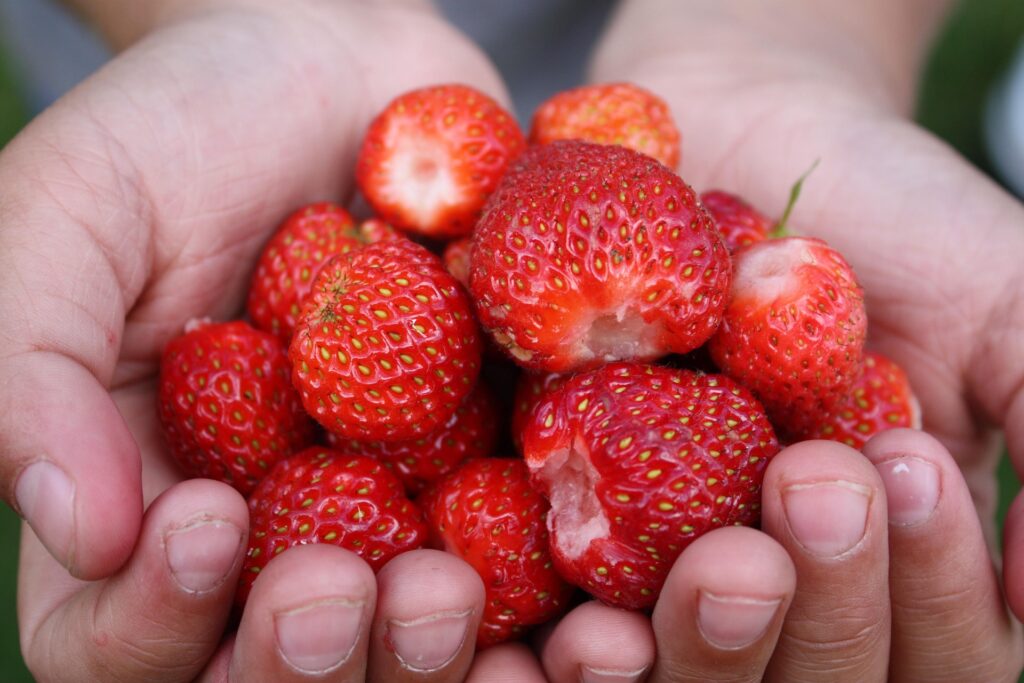
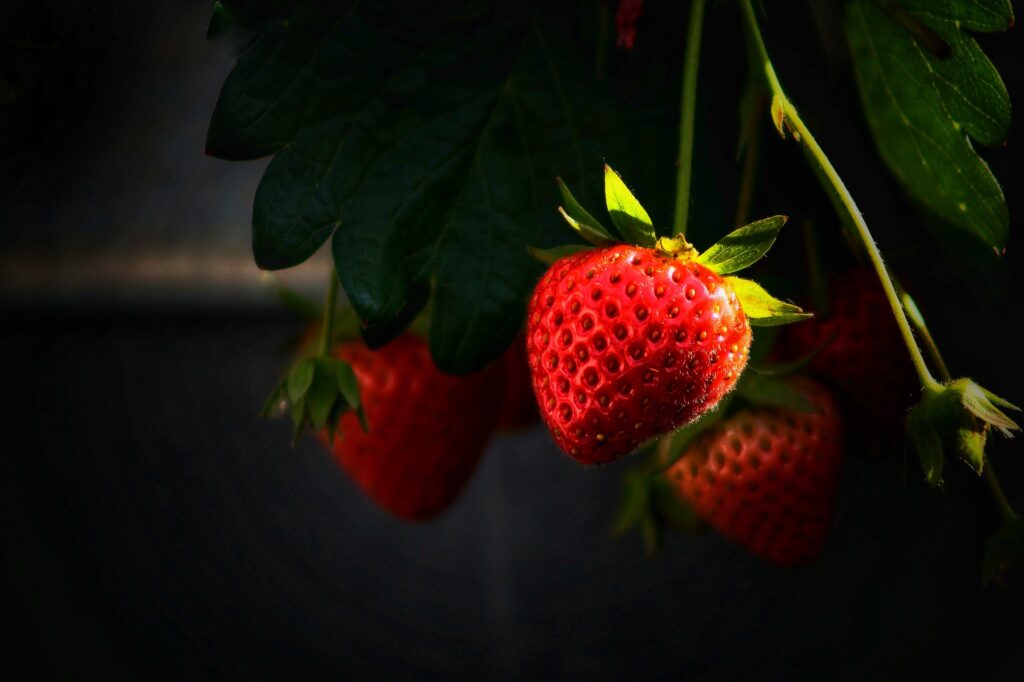
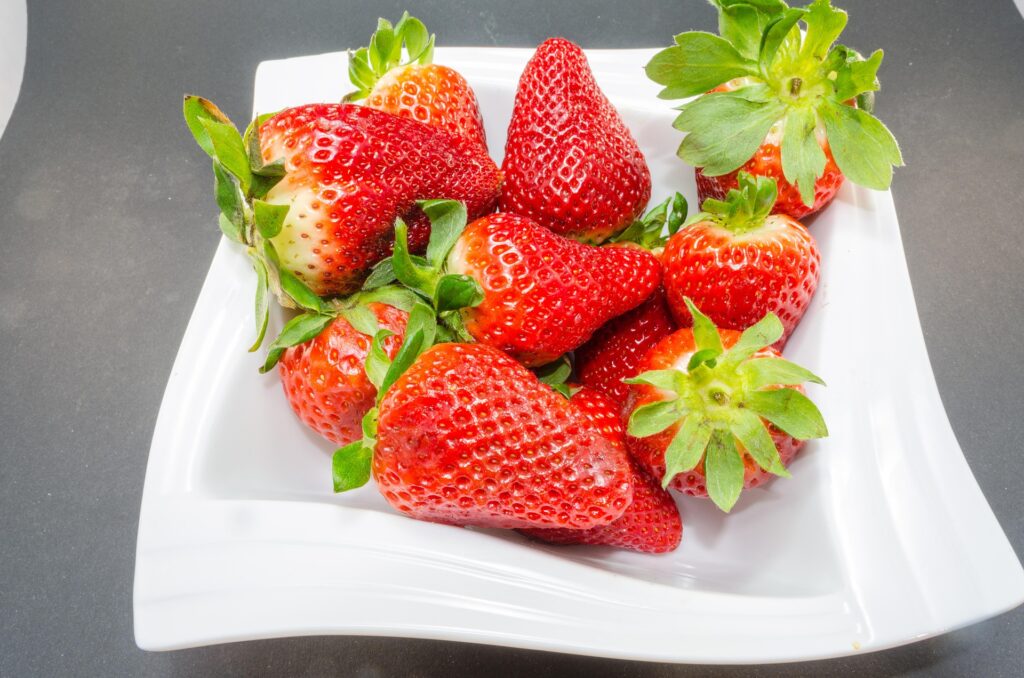
The best-tasting strawberries are picked at perfect ripeness, and timing makes all the difference in flavor. I always harvest in the early morning, when temperatures are cool and berries hold the highest sugar content.
Pick fruit only when fully deep red and slightly soft to the touch. Gently twist each berry off the stem instead of pulling, to avoid damaging delicate plants. For ever-bearing and day-neutral varieties, frequent picking triggers more blooms and extends your harvest window all season long.
8. Winter Care for Year-Round Returns
Strawberries are perennial in most temperate zones, meaning they’ll come back year after year with simple winter protection. My galvanized beds make seasonal winter care far easier than in-ground plots:
-
In cold northern regions: Add a thick layer of straw mulch to insulate roots, and use lightweight row covers to block harsh frost
-
In mild southern zones: A thin mulch layer is enough to protect plants through cool winters
-
Remove heavy mulch in early spring to wake up new growth as temperatures rise
Final Thoughts
Growing strawberries in an oval galvanized garden bed turns casual backyard gardening into a rewarding, delicious hobby. With controlled soil, superior drainage, and easy maintenance, this structured growing setup solves nearly every frustration that comes with traditional strawberry planting.
After years of trial and error, I can confirm you don’t need advanced gardening skills or large yard space to grow premium, sweet strawberries at home. By selecting the right variety, mastering simple planting techniques, and sticking to a gentle care routine, you’ll enjoy fresh-picked berries for snacks, desserts, and homemade preserves all season long.
Low-effort, high-yield, and visually charming in any backyard, bed-grown strawberries are the perfect addition to your edible garden lineup.