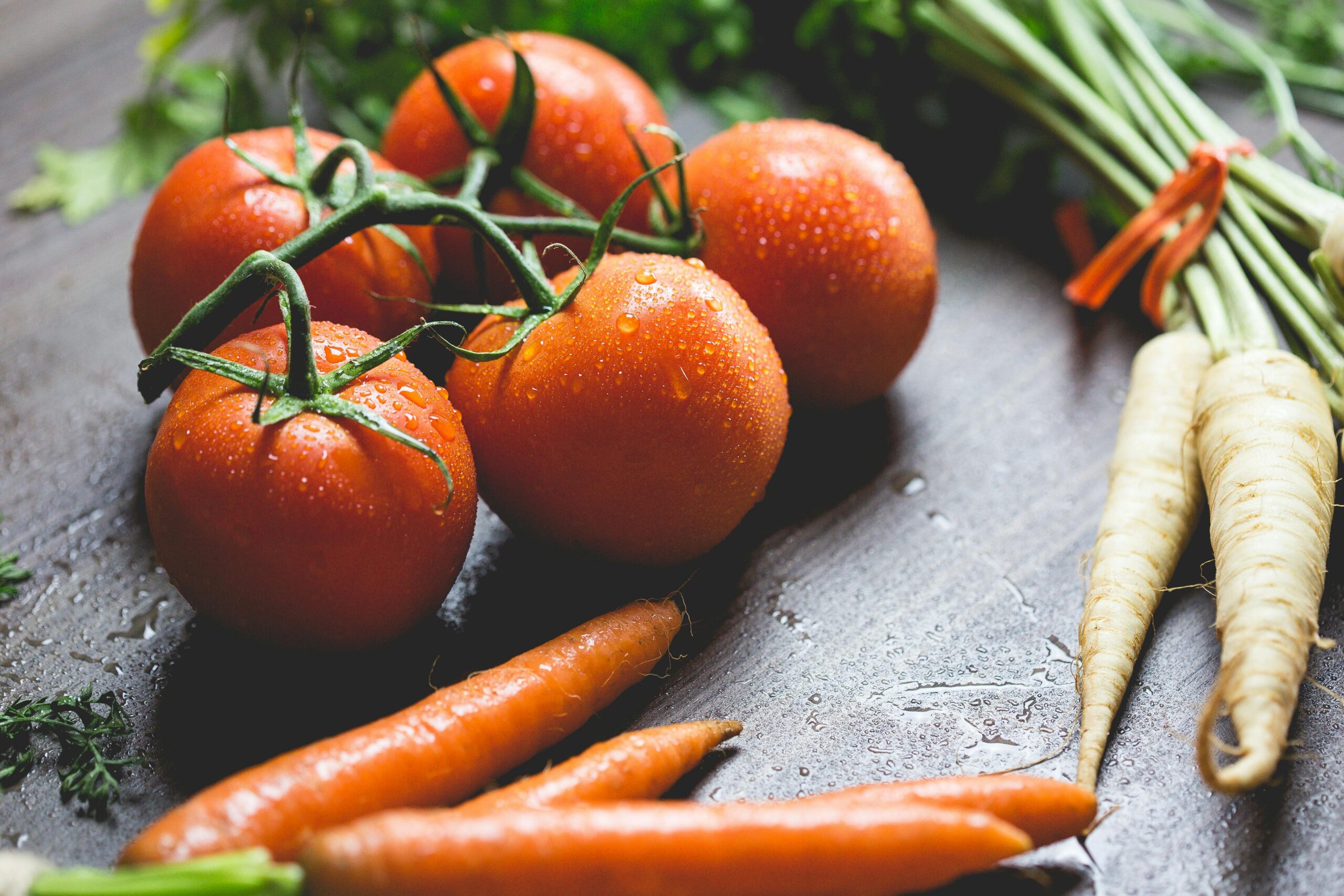
After 3 years of testing companion planting in my raised garden beds, I can confidently say: tomatoes and carrots are the ultimate garden power couple. This pairing isn’t just a “nice idea”—it’s a low-effort, high-reward strategy I rely on to squeeze more productivity out of my small backyard space, while keeping both crops healthy and chemical-free.
I used to plant tomatoes and carrots in separate beds, wasting valuable space and dealing with avoidable problems: compacted soil that stunted my carrots, and carrot fly infestations that ruined half my harvest. Once I started pairing them together, everything changed. They work in perfect harmony—above and below the soil—creating a mini ecosystem that cuts down on maintenance, boosts yields, and eliminates common gardening headaches.
This guide shares my real-world mistakes, tested tips, and structured steps to help you master this companion pairing, even if you’re a beginner. No AI jargon, just what actually works for American backyard gardeners.
Why Tomatoes & Carrots Are a Garden Power Couple (My Real Experience)
Don’t let generic gardening articles fool you—this pairing isn’t just “convenient.” It solves three big backyard gardening problems I’ve struggled with firsthand, and the benefits are proven in my annual harvests.
1. Natural Pest Control (No Chemical Sprays Needed)
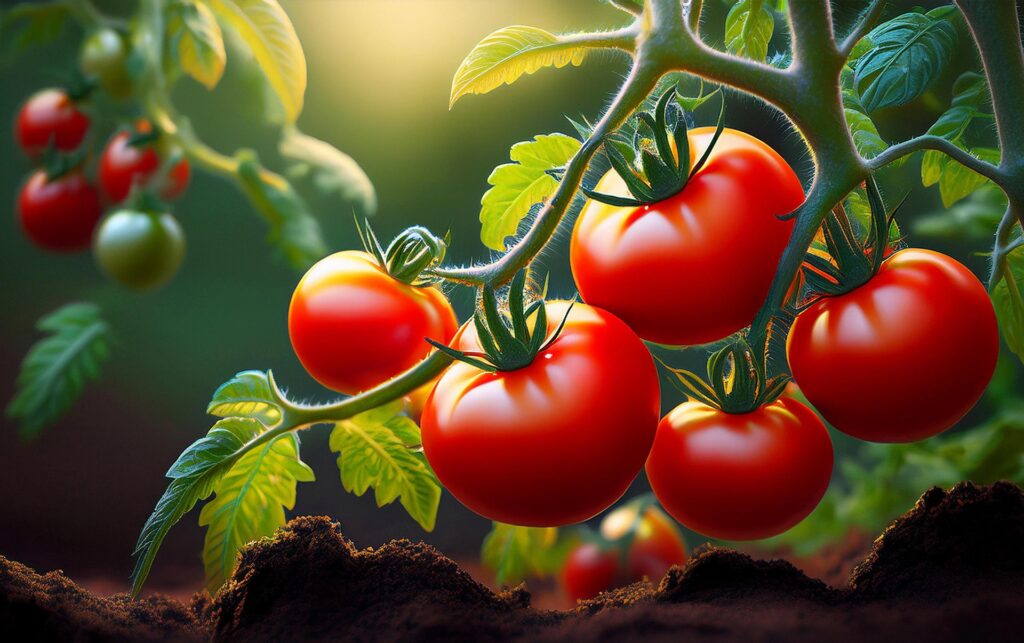
Tomato plants release a subtle, distinct scent from their leaves and stems that deters soil-dwelling pests—most notably carrot flies, which are the bane of carrot growers everywhere. I learned this the hard way: a few years back, I planted a bed of carrots alone and lost 40% of my crop to carrot fly larvae, which burrow into roots and turn them mushy.
Last year, I paired my carrots with tomatoes, and only had a handful of damaged roots—no harsh pesticides required. The tomato scent confuses carrot flies, keeping them away from my carrot patch. Bonus: Carrots also help tomatoes by attracting beneficial insects (like ladybugs) that eat aphids, a common tomato pest. It’s a win-win natural defense system.
2. Soil Improvement (Carrots Are Nature’s Aerators)
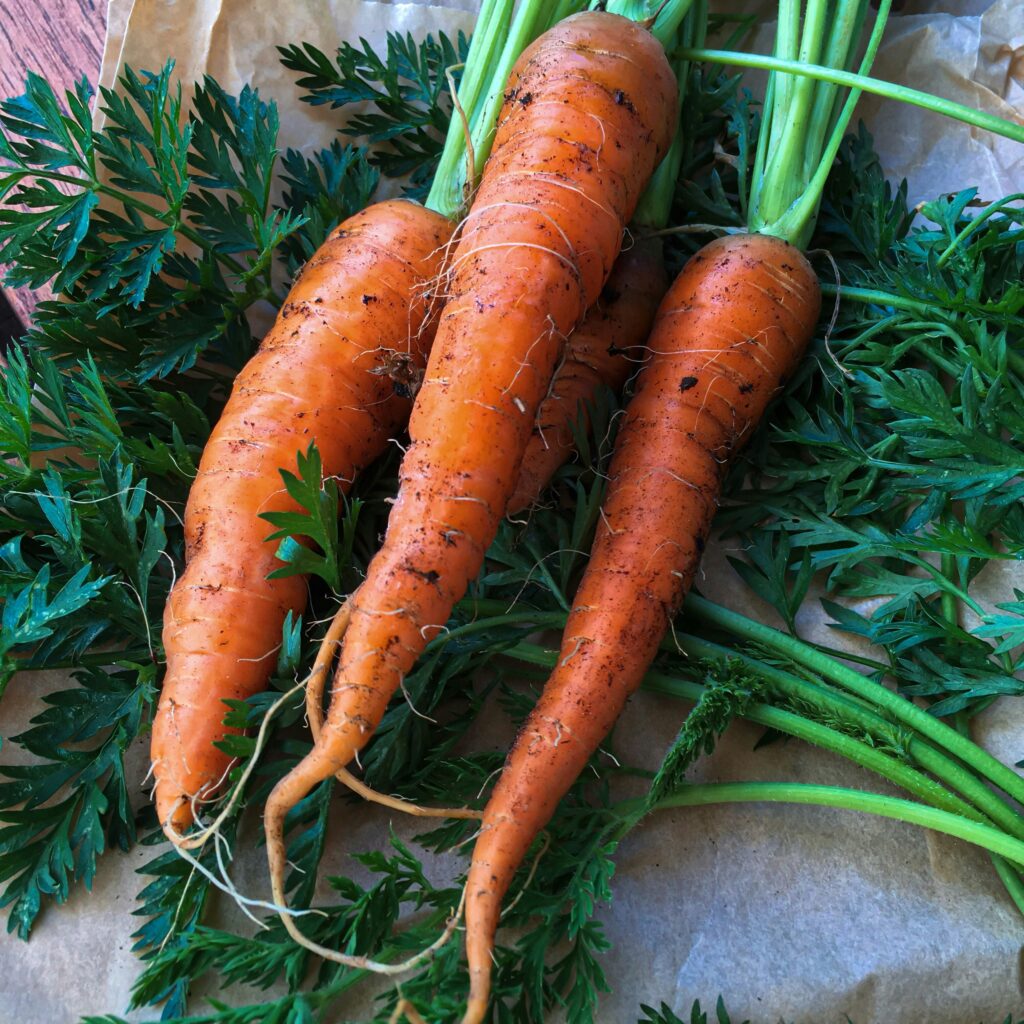
Carrots have long, thin taproots that act like tiny garden forks, loosening compacted soil as they grow deeper. This creates small channels that let oxygen and water reach deeper layers—something tomato roots love. Tomatoes have shallow, spreading root systems that need loose, well-aerated soil to thrive, and carrots do all the hard work for you.
My first year pairing them, I noticed a huge difference: my tomato plants grew taller, had stronger stems, and produced more fruit than when I planted them in compacted soil. Even better, my carrots were straighter and plumper—no more twisted, stunted roots from hard dirt. This soil synergy is the unsung hero of this pairing.
3. Space-Saving Magic (Grow More in Less Space)
If you have a small backyard (like me), space is precious. This pairing maximizes every inch of your garden bed by using vertical and underground space simultaneously—something no single crop can do.
-
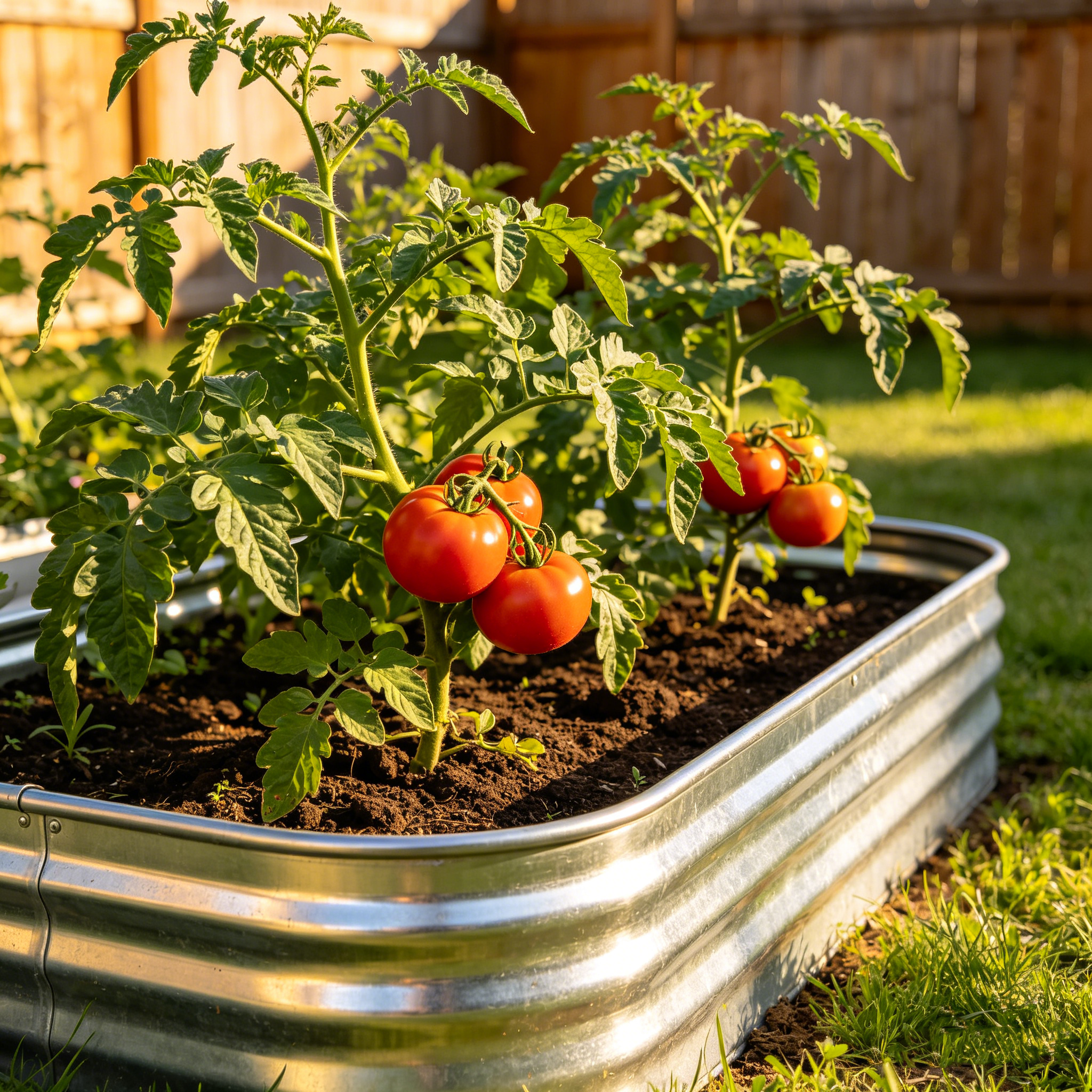
Tomatoes: Grow upward, climbing stakes or trellises, so they take up minimal surface space. I use simple bamboo trellises for my indeterminate tomato varieties, and they grow 6–8 feet tall without crowding the bed.
-
Carrots: Grow underground, with only a small rosette of leaves above the soil. They tuck neatly between tomato plants, no extra space needed.
Last year, I grew 8 tomato plants and a full row of carrots in a single 4×8 foot raised bed—something I never could have done if I planted them separately. It’s the ultimate space-saving hack for small gardens.
How to Plant Tomatoes & Carrots Together (Step-by-Step, No Fail)
Pairing these crops is simple, but getting the spacing and timing right is key—I messed this up my first year, leading to stunted carrots and overcrowded tomatoes. Here’s my tested, step-by-step method that guarantees success.
1. Choose the Right Varieties (My Top Picks)
Not all tomatoes and carrots pair equally well. After testing dozens of varieties, these are my go-tos for companion planting:
-
Tomatoes: Compact, determinate varieties (like ‘Roma’ or ‘Patio Princess’) work best—they don’t grow too tall or bushy, so they won’t shade carrots too much. Avoid large indeterminate varieties (like ‘Beefsteak’) if you’re short on space—they can overwhelm carrot plants.
-
Carrots: Short to medium-length varieties (like ‘Nantes’ or ‘Danvers’) are ideal. Long, thin varieties (like ‘Imperator’) need extra deep soil, which can be tricky if your tomato roots are spreading nearby.
2. Timing Is Everything (Plant Carrots First!)
Carrots take longer to germinate (7–21 days) than tomatoes, so I plant carrot seeds 2–3 weeks before transplanting tomato seedlings. This gives carrots a head start, so they’re well-established by the time tomatoes start growing tall.
In my Zone 6 garden, I plant carrot seeds in early April, then transplant tomato seedlings in late April (after the last frost). This timing ensures both crops mature at different rates—carrots are ready to harvest in 60–70 days, while tomatoes start producing fruit in 80–90 days—so they never compete for resources.
3. Spacing Guidelines (Avoid My Crowding Mistake)
My first year, I planted carrots too close to tomato stems, and the dense tomato root system outcompeted the carrots for water and nutrients—resulting in thin, flavorless roots. Here’s the spacing that works for me (backed by gardening experts too):
-
Tomato plants: Space 18–24 inches apart (for determinate varieties) or 24–36 inches apart (for indeterminate varieties) to ensure good airflow and prevent disease.
-
Carrots: Sow seeds 2–3 inches apart, in rows that are 12–18 inches away from tomato plants. Never plant carrots directly at the base of tomato stems—keep at least 12 inches of space between them.
-
Row arrangement: Plant tomatoes in two parallel rows, then sow carrots in the space between the rows. This keeps both crops accessible and ensures they get the right amount of sunlight.
4. Soil Prep (The Secret to Plump Carrots & Strong Tomatoes)
Both crops thrive in loose, well-draining soil rich in organic matter. Here’s my exact soil mix for raised beds:
-
60% topsoil (avoid heavy clay)
-
30% aged compost (I use my own backyard compost, but store-bought works too)
-
10% perlite (to boost drainage and prevent compaction)
I also add a handful of bone meal to the soil before planting—this provides phosphorus, which helps carrot roots grow strong and tomato plants produce more fruit. Avoid high-nitrogen fertilizer at planting time—too much nitrogen leads to lush tomato leaves but tiny carrots.
5. Sunlight & Watering (Balance Is Key)
This pairing naturally optimizes sunlight, but you still need to make sure both crops get what they need:
-
Tomatoes: Need 6–8 hours of direct sunlight daily—plant them in the sunniest part of your bed.
-
Carrots: Tolerate partial shade (from tomato foliage), which is a bonus in hot summer climates. The tomato leaves shade carrot roots, keeping them cool and preventing bolting (going to seed early).
For watering:
-
Keep soil evenly moist (not soggy) for both crops. I water deeply once a week, focusing on the base of the plants to keep leaves dry (this prevents fungal diseases like blight).
-
Carrot seeds need consistent moisture to germinate—if the soil dries out, they won’t sprout. I cover carrot rows with a thin layer of straw mulch to retain moisture and suppress weeds.
Key Maintenance Tips (Keep Both Crops Thriving)
Once planted, this pairing is low-maintenance, but a few quick weekly tasks will ensure maximum yields:
-
Support Tomato Plants Early: Install stakes or cages when transplanting tomatoes—this keeps them growing upward, away from carrot plants, and prevents branches from breaking under the weight of fruit.
-
Thin Carrot Seedlings: Once carrot seedlings are 2 inches tall, thin them to 2–3 inches apart. Crowded carrots grow small and twisted—this is a step I used to skip, and it showed in my harvests.
-
Mulch Generously: Add 2–3 inches of straw or wood chip mulch around both crops. This retains moisture, suppresses weeds, and keeps carrot roots cool.
-
Fertilize Smartly: After tomatoes start flowering, apply a low-nitrogen, high-phosphorus fertilizer (like 5-10-10) to boost fruit production. Avoid fertilizing carrots—too much fertilizer makes them bitter.
-
Watch for Pests: Check tomato leaves for aphids and carrot tops for carrot fly damage. If you see aphids, spray with a mixture of dish soap and water; for carrot flies, the tomato scent should keep them at bay, but you can add a row cover if infestations are bad.
My Tested Harvest Timeline (When to Pick Your Crops)
| Crop | Time to Harvest | Harvest Tips |
|---|---|---|
| Carrots | 60–70 days after sowing | Pull gently when roots are 1–2 inches in diameter—they’re sweetest when young. |
| Tomatoes | 80–90 days after transplanting | Pick when fully colored and slightly soft to the touch. Harvest in the morning for best flavor. |
Pro Tip: Harvest carrots before they get too large—overgrown carrots become woody and bitter. I usually harvest half my carrot crop early for fresh eating, then leave the rest to mature a bit longer for storage.
Common Mistakes to Avoid (I Made Them So You Don’t Have To)
1.Planting Too Close: This is the biggest mistake new gardeners make. Crowded plants compete for water and nutrients, leading to stunted growth and low yields. Stick to the spacing guidelines above.
2.Planting the Wrong Varieties: Large, bushy tomatoes will shade carrots too much, and long carrots will struggle in shallow soil. Stick to compact tomatoes and medium-length carrots.
3.Overwatering: Soggy soil causes tomato root rot and carrot root rot. Use the “finger test”—stick your finger 2 inches into the soil; if it’s dry, water.
4.Skipping Mulch: Without mulch, carrot seeds dry out, weeds take over, and soil temperatures fluctuate. Mulch is non-negotiable for this pairing.
5.Planting Tomatoes Near Other Nightshades: While tomatoes and carrots pair well, avoid planting tomatoes near potatoes, eggplant, or peppers—they’re in the same family and share common diseases like blight, which can spread quickly.
Benefits at a Glance (Why This Pairing Is Worth It)
-
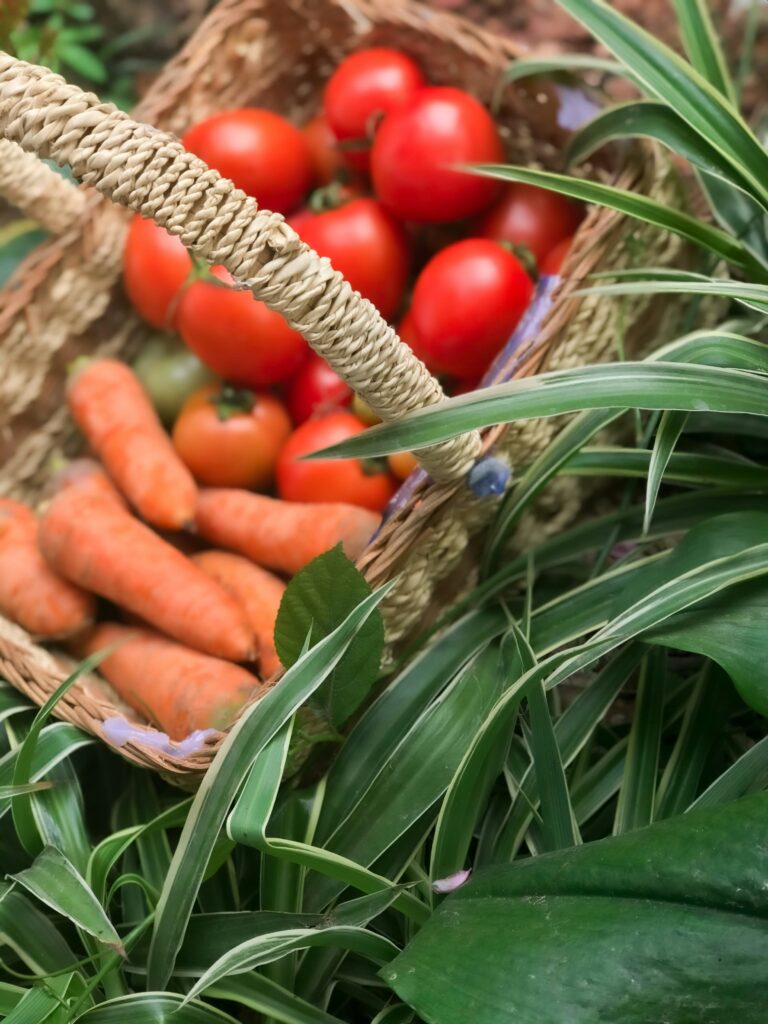
Natural pest control: No harsh chemicals needed—tomatoes deter carrot flies, carrots attract beneficial insects for tomatoes.
-
Better soil: Carrots aerate soil, making it easier for tomato roots to grow deep.
-
Space-saving: Grow two crops in the same bed, perfect for small backyards.
-
Low-maintenance: Minimal extra work once planted—they support each other’s growth.
-
Higher yields: Both crops grow healthier and produce more when paired together.
Final Thoughts
After 3 years of growing tomatoes and carrots together, this pairing has become a staple in my garden. It’s perfect for beginners (no green thumb required) and seasoned gardeners alike—offering more productivity with less work.
The magic lies in their synergy: tomatoes grow upward, capturing sunlight and protecting carrots from pests; carrots work underground, loosening soil and improving growing conditions for tomatoes. Together, they create a balanced, productive garden bed that delivers fresh, flavorful crops all season long.
If you’re looking to maximize your garden’s potential, cut down on maintenance, and enjoy a bountiful harvest, this companion pairing is the way to go. I’ll be planting mine again this spring—and I hope you will too.