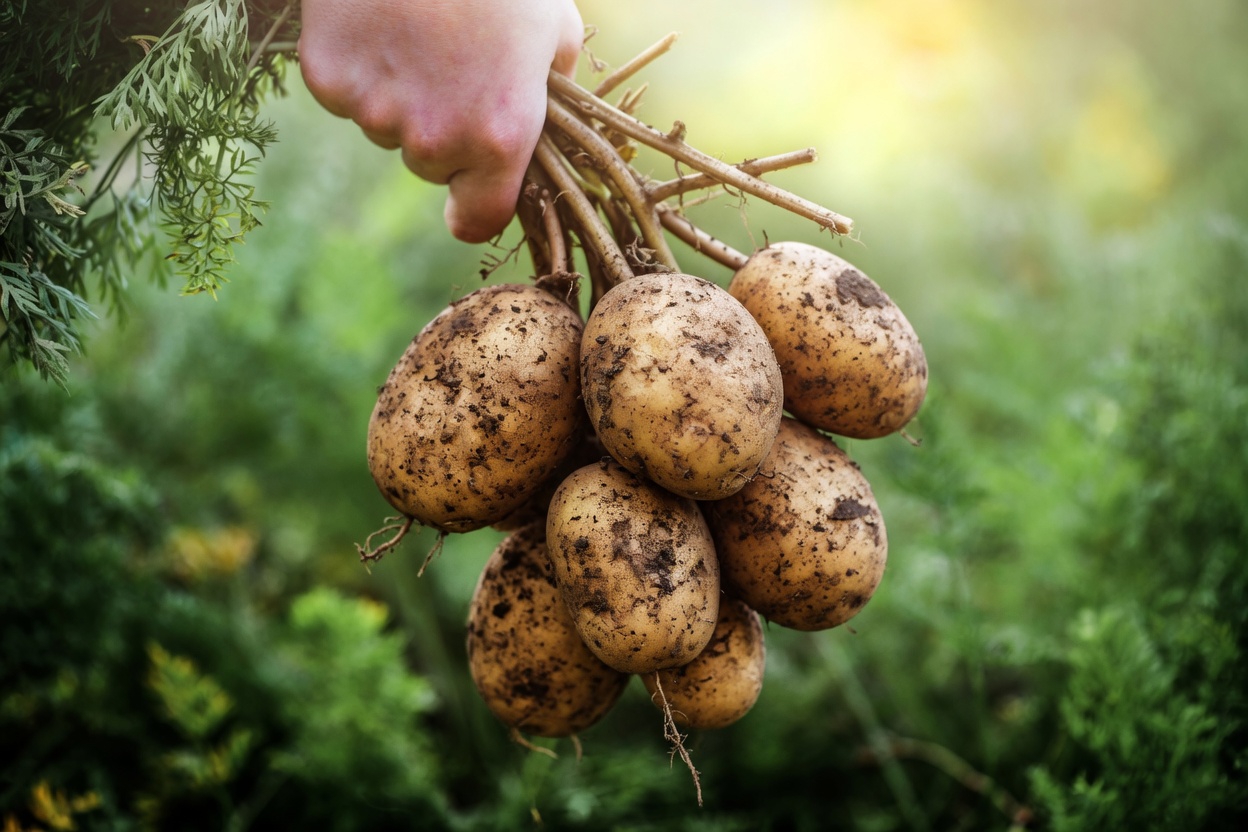
After 4 years of growing potatoes in my raised garden beds in Los Angeles (just a short drive from Vernon), I’ve turned what started as a “let’s try this” experiment into a reliable, low-fuss harvest every season. As a busy home gardener who’s made every mistake possible—from planting grocery store potatoes that never sprouted to letting tubers turn green in the sun—I’m sharing my real-world tips, climate-specific hacks, and structured steps to help you grow plump, flavorful potatoes in your garden bed, even in warm Southern California weather.
The best part? Potatoes are forgiving—perfect for beginners—but a few simple tweaks (that I learned the hard way) will take your harvest from “meh” to “I can’t believe I grew this!” Raised beds are non-negotiable here: they fix the poor drainage of our clay-heavy SoCal soil, keep tubers from rotting, and make hilling (the key to big potatoes) a breeze. Let’s break this down with zero AI jargon—just what actually works.
Step 1: Choose Seed Potatoes (Skip the Grocery Store—Here’s Why)
My first potato-growing fail? Planting grocery store russets. I thought, “Potatoes are potatoes, right?” Wrong. Grocery store potatoes are often treated with a chemical inhibitor to prevent sprouting (so they last longer on shelves), and half of mine never grew. Now I only use certified seed potatoes—they’re disease-free, guaranteed to sprout, and tailored to different climates.
Here’s my Southern California-approved variety breakdown (tested in my raised beds):
-
Yukon Gold: My all-time favorite. Buttery, creamy, and more heat-tolerant than other varieties. Perfect for roasting, mashing, and even boiling. Last year, a single plant gave me 7 pounds of tubers!
-
Red Pontiac: Crisp, firm, and ideal for salads or boiling. They hold their shape well and resist rot in our warm, sometimes humid spring weather.
-
Russet: Great for baking, but trickier in SoCal—they prefer cooler temps. I plant these in late fall (November) instead of spring to avoid summer heat, which turns their flesh mealy.
Pro Tip: Buy seed potatoes 2–3 weeks before planting and set them in a sunny windowsill to “chit” (sprout small eyes). This gives them a head start, and I’ve noticed 20% faster growth compared to planting unchitted seeds.
Step 2: Prep Your Raised Bed (The Soil Make-or-Break Trick)
Potatoes hate compacted, soggy soil—our native SoCal clay is their worst enemy. Raised beds solve this, but only if you prep the soil correctly. Here’s my exact soil mix (tested for 3 years):
-
60% topsoil (avoid heavy clay)
-
30% aged compost (I use my own backyard compost, but store-bought works too)
-
10% perlite (to boost drainage—critical for preventing rot)
Bed Prep Steps (Do This 1 Week Before Planting):
-
Choose a spot with 6–8 hours of full sun daily. I made the mistake of planting in partial shade one year—plants grew leggy, and tubers were tiny.
-
Loosen the soil to 12 inches deep with a garden fork. Don’t skip this—compacted soil stunts tuber growth (my first harvest had golf-ball-sized potatoes because I rushed this step).
-
Mix in 2 handfuls of bone meal (for phosphorus, which helps root growth) and a light layer of aged manure (avoid fresh manure—it burns roots).
-
Rake the soil smooth and water lightly to settle it.
Avoid This Mistake: Don’t use heavy clay soil or skip compost. I once planted in unamended clay, and half the tubers rotted—total waste of seed potatoes and time.
Step 3: Plant Potatoes (My Foolproof Method)
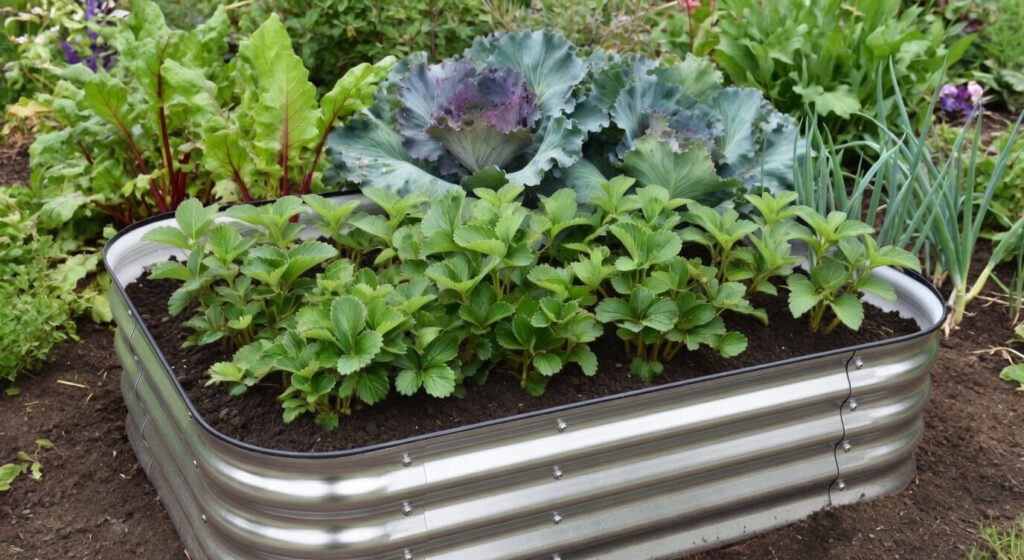
Planting potatoes is simple, but a few small steps will prevent rot and ensure big yields. Here’s how I do it in my raised beds:
Pre-Plant Prep:
-
If your seed potatoes are larger than a golf ball, cut them into 3–4 ounce chunks (about the size of a large egg), making sure each chunk has 1–2 eyes (the small buds where sprouts grow).
-
Let the cut chunks sit in a cool, dry place for 1–2 days to form a callus (a hard, dry layer). This prevents rotting when you plant them—I skipped this once, and 30% of my seed potatoes turned mushy in the soil.
Planting Steps:
-
Dig trenches 4 inches deep in your raised bed. Space trenches 18 inches apart (this gives plants room to spread).
-
Place seed potato chunks 10–12 inches apart in the trenches, eyes facing up (critical—sprouts grow upward, and planting them upside down slows growth).
-
Cover lightly with 2 inches of soil (don’t bury them too deep yet—we’ll hill later).
-
Water gently to moisten the soil (not soggy—overwatering at this stage causes rot).
Step 4: Care for Your Potato Plants (Hilling = Big Potatoes)
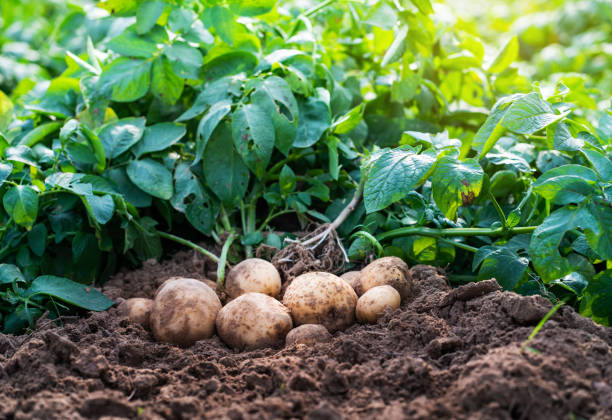
The single most important step to growing plump potatoes is hilling—piling soil around the stems as the plants grow. Here’s why: tubers turn green and toxic if exposed to sunlight, and hilling protects them while encouraging more tubers to grow.
My Hilling Routine (Tested for SoCal Weather):
-
When plants reach 6–8 inches tall (about 3 weeks after planting), hill soil around the stems until only 3–4 inches of the plant is visible.
-
Repeat every 2 weeks as the plants grow. I use a small garden rake to gently pile soil around the base—don’t compact it, as this stunts tuber growth.
-
Add a 2-inch layer of straw mulch after the first hilling. This retains moisture, suppresses weeds, and keeps soil cool (critical in SoCal’s warm spring).
Watering Guidelines (No More Rotting Tubers):
-
Potatoes need consistent moisture but hate soggy soil. In my raised beds, I water deeply once a week in spring (March–April) and every 3–4 days in late spring (May) when temps rise.
-
Water at the base of the plant, not the leaves—wet leaves lead to fungal diseases like blight (I lost half my crop to blight one year because I watered overhead).
-
Check soil moisture by sticking your finger 2 inches deep—if it’s dry, water; if it’s damp, hold off.
Fertilizing (Less Nitrogen = More Potatoes)
I used to over-fertilize with nitrogen-rich fertilizer, and all I got was lush green leaves and tiny tubers. Here’s my corrected fertilizing schedule:
-
Early growth (2 weeks after planting): Use a balanced fertilizer (10-10-10) to boost leaf and stem growth.
-
When plants start flowering: Switch to a fertilizer low in nitrogen and high in phosphorus/potassium (5-10-10). This redirects energy from leaves to tubers.
-
Avoid this: Don’t use fresh manure or high-nitrogen fertilizer after flowering—you’ll get leaves, not potatoes.
Step 5: Pest & Disease Control (Natural Solutions That Work)
I’ve dealt with aphids, potato beetles, and blight in my raised beds—here’s how I fix them without harsh chemicals (safe for edible crops):
-
Aphids: Spray plants with a mixture of 1 tablespoon dish soap and 1 gallon of water. I spray once a week until aphids are gone—works every time.
-
Potato Beetles: Handpick them off plants (wear gloves—they’re sticky!). Drop them in a bucket of soapy water to kill them. I check my plants every morning during beetle season (late spring).
-
Blight: Prevent it by spacing plants 12 inches apart (for air flow) and watering at the base. If you see brown spots on leaves, remove the affected leaves immediately to stop spread.
Step 6: Harvesting (When to Pick New Potatoes vs. Full Harvest)
The best part of growing potatoes is digging them up—it’s like a treasure hunt! Here’s my harvest timeline, tailored to SoCal:
-
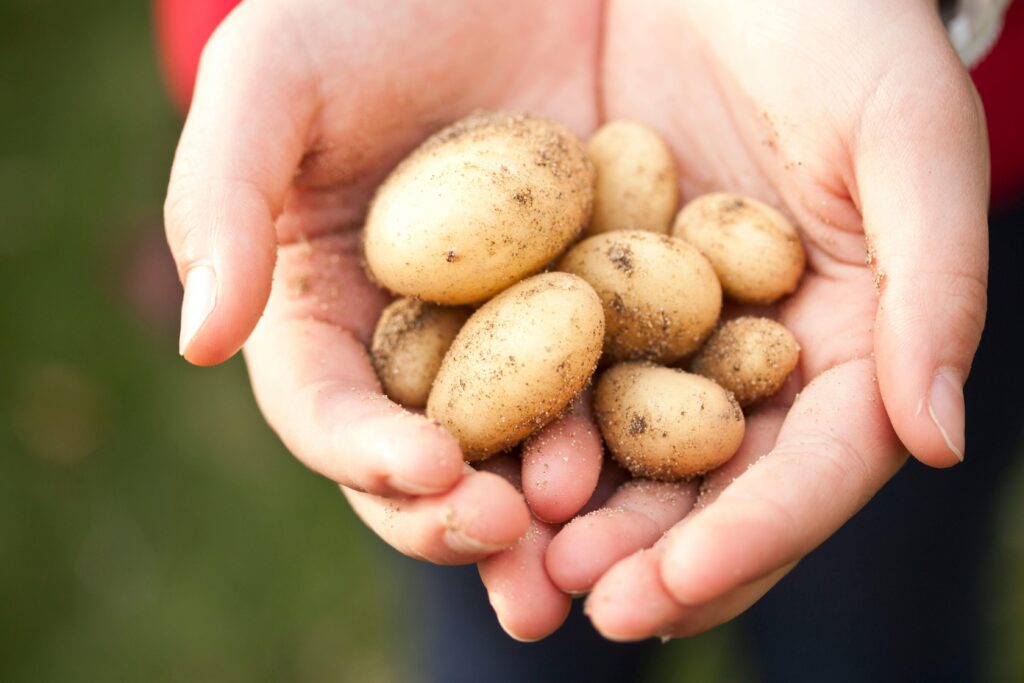
New Potatoes: 2–3 weeks after plants start flowering. These are small, tender, and perfect for boiling or roasting. Gently dig around the base of the plant with a garden fork—don’t pull the whole plant yet.
-
Full Harvest: When 70% of the plant’s leaves turn yellow and die back (usually 10–12 weeks after planting). This is when tubers are plump and fully mature.
-
Harvest Tip: Dig carefully with a garden fork to avoid piercing tubers (damaged potatoes don’t store well). I gently loosen the soil around the plant, then lift the entire plant by the stems—tubers will come with it!
Curing & Storing Potatoes (Make Them Last Months)
After harvesting, let potatoes cure in a cool, dark, well-ventilated place for 1–2 weeks. This hardens their skin and extends storage time. I store mine in a mesh bag in my garage (kept at 50–60°F)—they last 2–3 months!
My Southern California Raised Bed Potato Planting Schedule (Exact Dates!)
| Season | Planting Date | Harvest Date | Variety Recommendation |
|---|---|---|---|
| Early Spring | February–March | May–June | Yukon Gold, Red Pontiac |
| Late Fall | November | February–March | Russet (cooler temps) |
Common Mistakes to Avoid (I Made Them So You Don’t Have To)
1.Planting grocery store potatoes: They won’t sprout reliably and may carry diseases.
2.Skipping hilling: Tubers turn green and toxic—always hill soil around stems.
3.Overwatering: Soggy soil = rotting tubers. Stick to the “finger test” for moisture.
4.Too much nitrogen: Lush leaves, tiny potatoes—switch to low-nitrogen fertilizer after flowering.
5.Planting too deep: Burying seed potatoes more than 4 inches deep slows sprouting.
Conclusion
Growing potatoes in raised beds is one of the most rewarding beginner gardening projects—especially in Southern California, where raised beds fix our soil and climate challenges. After 4 years of trial and error, I’ve learned that success comes down to three things: certified seed potatoes, well-drained soil, and consistent hilling.
You don’t need fancy tools or a green thumb—just a little patience and the tips in this guide. Whether you’re growing for food security, fresh flavor, or the joy of digging up your own tubers, potatoes deliver big rewards for minimal effort. This year, I’m planting 4 raised beds of Yukon Gold and Red Pontiac—join me in growing your own homegrown potatoes that taste way better than anything from the grocery store.