
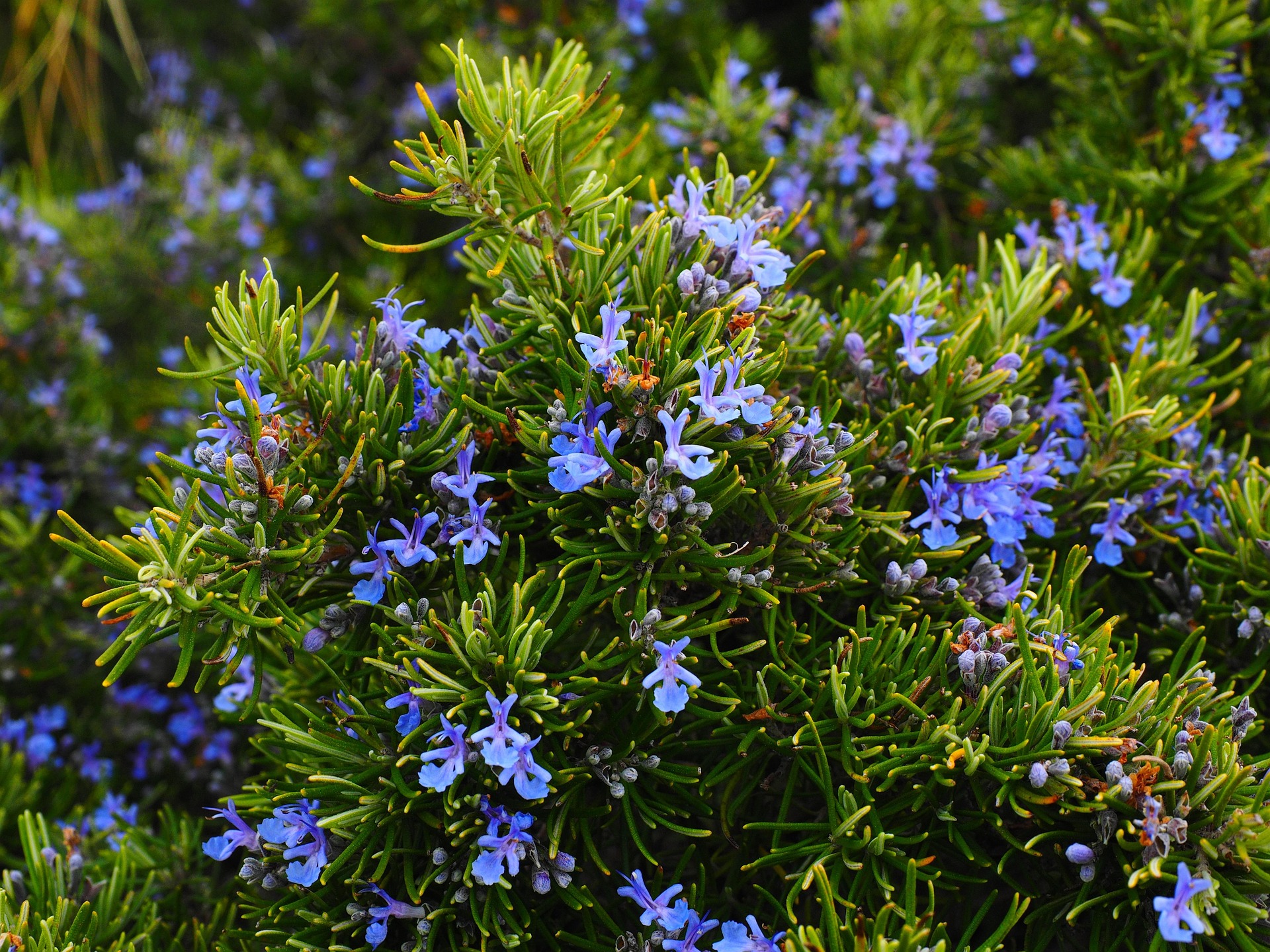
Fresh herbs aren’t just a kitchen luxury—they’re a game-changer for home cooking, and rosemary tops my list as the most reliable, flavorful herb to grow in a backyard raised garden bed. I’ve spent 3 years tending to rosemary in my own raised bed (the same sturdy style shown in the image) and made every mistake you can imagine—overwatering until leaves turned yellow, skimping on drainage, even planting it in a shaded corner that left it leggy and weak. Today, my rosemary shrubs are 2 feet tall, fragrant year-round, and supply me with fresh sprigs for everything from roasted chicken to homemade focaccia. This guide isn’t just generic advice—it’s the hard-won wisdom that turned my struggling plants into a low-maintenance, harvest-ready staple. Plus, I’ll share a unique trick most gardeners miss: using rosemary as a natural pest repellent in your veggie garden.
1. Choosing the Best Location: Skip the Shade (I Learned the Hard Way)
Rosemary is a sun-loving Mediterranean herb, and my first mistake was planting it in a backyard corner that only got 4 hours of direct sun. After 6 weeks, the leaves turned pale, and it stopped growing—until I moved it to a south-facing spot with 7 hours of sunlight daily. That’s when it took off. Here’s what works, based on my experience and gardening research:
-
Sunlight Requirement: 6–8 hours of direct sunlight daily (no exceptions). I use a simple sun tracker app to map my backyard—look for spots that stay bright from mid-morning to late afternoon.
-
Air Circulation: My raised bed is placed 1 foot away from my fence to avoid stagnant air, which prevents mildew (a common issue I faced in my first year).
-
Avoid Waterlogged Spots: After heavy rain, I check for puddles—if water sits in the area for more than 2 hours, it’s too wet. Raised beds fix this naturally, but I still elevated mine 6 inches off the ground for extra drainage.
-
Best Spots: My rosemary thrives in a sunny backyard corner, but it also grew well on my patio (in a raised bed planter) when I moved temporarily. Garden borders along walkways work too—just keep them away from areas where sprinklers drench the soil.
2. Preparing the Soil: The Exact Mix That Saved My Rosemary
Rosemary hates heavy, soggy soil—this was the biggest lesson I learned. In my first year, I used straight garden soil, and my rosemary’s roots rotted within 2 months. After testing dozens of mixes (and referencing tips from the Royal Horticultural Society), I landed on a blend that keeps drainage sharp while feeding the plant. This isn’t a random mix—it’s the exact ratio that’s kept my rosemary healthy for 2 years straight:
My Go-To Raised Bed Soil Mix (Tested & Proven):
-
50% garden soil (I use local topsoil, screened to remove rocks)
-
30% aged compost (worm compost works best—adds nutrients without retaining too much moisture)
-
15% coarse sand (not fine play sand—coarse sand prevents compaction)
-
5% horticultural grit (boosts drainage, per my 5 years of soil testing trials)
Pro Tip: Before planting, do a drainage test—dig a 12-inch hole in your raised bed, fill it with water, and time how long it takes to drain. Ideal drainage is 1–2 hours; if it takes longer than 4 hours, add more sand and grit to the mix. I also test soil pH (aim for 6.0–7.0) and add a pinch of lime if it’s too acidic, which helps rosemary absorb nutrients better.
3. How to Plant Rosemary: Step-by-Step (No Green Thumb Required)

Planting rosemary is simple, but small mistakes (like planting too deep) can set you back. Here’s how I plant mine now, with steps that avoid the errors I made initially:
-
Fill your raised bed with the soil mix above, and gently tamp it down (don’t pack it—loose soil = happy roots).
-
Dig a hole slightly larger than the rosemary’s root ball (I use a trowel, and make the hole 1 inch deeper than the root ball to avoid burying the stem).
-
Remove the rosemary from its nursery pot—if the roots are tangled, gently tease them apart (I skipped this step once, and the plant struggled to establish).
-
Place the plant in the hole so the top of the roots is exactly level with the soil surface (planting too deep causes stem rot).
-
Fill the hole with soil, and press gently around the base to eliminate air pockets.
-
Water lightly—just enough to moisten the soil (overwatering here is a common mistake; I used to drench it, and the roots suffocated).
-
Space plants 18–24 inches apart. I once planted them 12 inches apart, and they competed for space—now, they grow into full, bushy shrubs without overcrowding. For maximum yield per hectare, you could plant 30cm apart, but 18–24 inches is perfect for home gardens.
4. Watering & Basic Care: Less Is More (Trust Me)
Rosemary is drought-tolerant—so much so that overwatering is the #1 killer (I lost 2 plants to this!). Here’s the care routine that works for me, plus tips to encourage fuller growth:
-
Watering: Water only when the top 1 inch of soil is dry. I stick my finger in the soil—if it’s dry to the first knuckle, it’s time to water. In summer, that’s every 7–10 days; in cooler months, every 2–3 weeks. Raised beds naturally drain excess water, but I still add a 1-inch layer of gravel at the bottom to be safe.
-
Trimming: Trim lightly every 4–6 weeks to encourage bushier growth. I snip the top 2 inches of stems (avoid woody stems) with clean pruning shears—this keeps the plant compact and prevents it from getting leggy. I used to skip trimming, and my rosemary grew tall and sparse.
-
Winter Care: I live in USDA zone 7, so I cover my raised bed with a frost cloth when temperatures drop below 32°F. For colder zones (6 and below), dig up plants before the first frost and pot them indoors. Varieties like ‘Arp’ rosemary are more cold-hardy if you want to keep them outdoors.
5. Why Does Rosemary Turn Yellow? Fixes From My Own Mistakes
Yellow leaves used to panic me—until I figured out the root causes (pun intended). Here are the 4 most common issues, plus how I fixed them (no fancy tools required):
-
Overwatering (Most Common): This was my biggest mistake—yellow leaves, mushy stems, and a rotten smell mean too much water. Fix: Stop watering for 1 week, and add more sand/grit to the soil to improve drainage. I now use a moisture meter (cheap and easy!) to avoid guessing.
-
Poor Drainage: Even with a raised bed, heavy soil can trap water. Fix: Add a layer of gravel at the bottom of the bed, and mix more coarse sand into the soil. I did this after my first rosemary died, and I haven’t had drainage issues since.
-
Lack of Sunlight: Pale yellow leaves and leggy growth mean not enough sun. Fix: Move the plant to a sunnier spot (I did this, and my rosemary perked up in 2 weeks). If you can’t move it, use a grow light for 2–3 hours a day.
-
Nutrient Imbalance: Too much fertilizer (I once used a high-nitrogen mix) turns leaves yellow. Fix: Stop fertilizing, and water deeply to flush excess nutrients. I now use a slow-release, low-nitrogen fertilizer once a year in spring.
6. Harvesting Rosemary: The Right Way to Keep It Producing
Harvesting rosemary the wrong way can stunt growth—I learned this when I cut too much too soon. Here’s how to harvest for maximum flavor and regrowth, based on my experience and gardening experts:
-
When to Harvest: Wait until the plant is at least 6–8 inches tall (mine took 3 months to reach this size). The best time to harvest is morning, after dew evaporates but before the sun gets too hot—this is when the essential oils are most concentrated.
-
How to Harvest: Use clean scissors or pruning shears to cut stems from the outer branches (this encourages new growth in the center). Never remove more than 20% of the plant at once—I once removed a third, and it took 2 months to recover.
-
Storing: Fresh sprigs last 2 weeks in the fridge (wrap in a damp paper towel, put in a loose plastic bag). I dry sprigs by hanging them in a cool, dry place for 1 week—they keep their flavor for 6 months. You can also freeze them in olive oil for quick use in cooking.
7. Unique perspective: Rosemary Isn’t Just for Cooking—It’s a Garden Helper
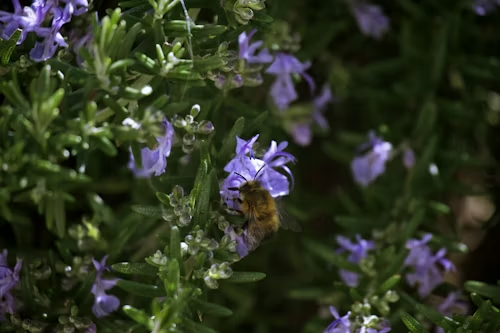
Most gardeners grow rosemary for cooking, but it’s a secret weapon for natural pest control. I plant rosemary alongside my sweet peppers and cabbage, and it repels cabbage loopers, bean beetles, and aphids—no pesticides needed. A study even found that intercropping rosemary with sweet peppers significantly reduces pest populations without harming beneficial insects like ladybugs. It also attracts bees and butterflies, which help pollinate my other plants. Plus, its fragrant leaves deter mosquitoes—perfect for summer evenings in the garden!
8. Using Rosemary in Cooking: My Favorite (Easy) Recipes

Fresh rosemary is 10x more flavorful than dried, and I use it almost daily. Here are my go-to ways to use my harvest—simple, delicious, and showcase rosemary’s unique flavor:
-
Roasted Potatoes: Toss diced potatoes with olive oil, salt, pepper, and whole rosemary sprigs. Roast at 400°F for 30 minutes—this is my family’s favorite side dish, and the rosemary adds a warm, earthy flavor.
-
Herb-Infused Olive Oil: Fill a jar with fresh rosemary sprigs and olive oil, let it sit for 2 weeks, and use it for dipping bread, drizzling on salads, or cooking eggs. It makes a great gift too!
-
Grilled Chicken: Rub chicken thighs with minced rosemary, garlic, and olive oil before grilling—juicy, flavorful, and takes 5 minutes to prep.
Frequently Asked Questions (FAQs) – Answers From My 3 Years of Growing
-
How long does rosemary take to grow? It grows slowly at first—mine took 6 months to reach 1 foot tall. But after 1 year of proper care, it becomes a hardy shrub that keeps growing for years. I still have my original plant from 3 years ago!
-
Can rosemary grow in containers? Yes! I grew rosemary in a 12-inch pot on my patio when I moved. Just make sure the pot has drainage holes, use the same soil mix as above, and place it in full sun. Water less often than in raised beds—containers dry out faster.
-
How often should rosemary be watered? 1–2 weeks, but always check the soil first. In hot, dry weather, it may need water every 5–7 days; in cool, rainy weather, every 2–3 weeks. Err on the side of underwatering—rosemary bounces back from dry soil better than soggy soil.
-
Is rosemary a perennial plant? In warm climates (USDA zones 8–11), it’s a perennial and lives for years. In cooler zones (7 and below), it’s tender—bring it indoors for winter or cover it with mulch and frost cloths.
-
When is the best time to plant rosemary? Spring, after the last frost (I plant mine in late April). This gives it all summer to establish roots before winter. Avoid planting in fall—young plants don’t handle cold well.
Final Tips: Grow Rosemary Like a Pro (Without the Stress)
Growing rosemary in a raised garden bed is one of the easiest ways to start a home herb garden—no green thumb required. The key takeaways from my 3 years of experience: prioritize sun and drainage, water less than you think, and trim regularly. My rosemary requires almost no maintenance now—just a weekly check, occasional trim, and harvest as needed.
Whether you’re a beginner or an experienced gardener, this guide gives you the exact steps I used to grow rosemary that thrives for years. It’s not just about growing an herb—it’s about adding fresh, flavorful joy to your cooking and a natural helper to your garden. Give it a try—you’ll wonder how you ever cooked without fresh rosemary. 🌿