Quick overview
Chili peppers are the ultimate garden multitaskers—vibrant red, orange, yellow and purple fruits pair with striking foliage to elevate flower beds and containers, while fresh-picked flavor elevates every meal. After 5 years growing peppers in patio pots and backyard borders, I’ve turned early mistakes (leggy plants, messy color clashing, root rot) into a streamlined system. You don’t have to choose between decoration and harvest; with simple, practical care, any small space can grow lush, high-yield pepper plants that look polished and taste incredible.
Table of Contents
-
Variety Selection: Balance Looks & Flavor
-
Site & Containers: Sunlight Is Non-Negotiable
-
Soil & Fertility: Root Health = More Peppers
-
Planting & Spacing: Pretty & Disease-Resistant
-
Watering & Mulching: Consistent Moisture, Less Work
-
Support & Pruning: Neat Shape + Bigger Fruit
-
Pest & Disease Control: Gentle, Effective Methods
-
Harvesting: Peak Flavor & Heat Control
-
Garden Styling: Peppers + Flowers Combo
-
Overwintering & Seed Saving
1. Variety Selection: Balance Looks & Flavor
Skip random mixes—use a curated combo for visual pop and kitchen utility. I used to plant only basic jalapeños; now my patch blends heat, color and foliage for a showstopping display.
-
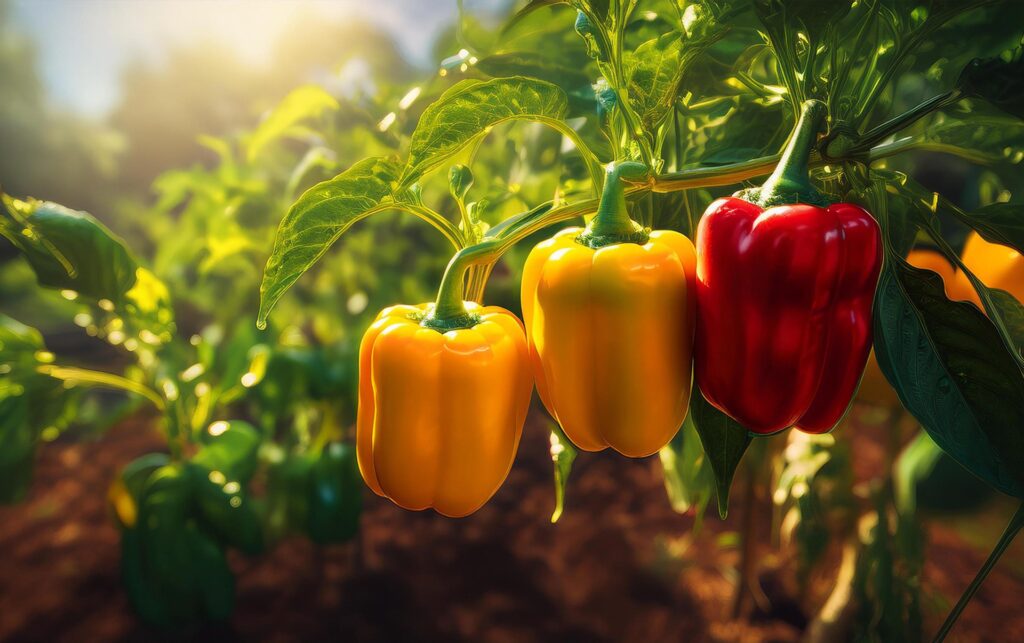
Mild & sweet: Pimiento, Cubanelle (roasting, salads, bright red/yellow fruit)
-
Medium-hot: Jalapeño (salsas, pickling, green to deep red)
-
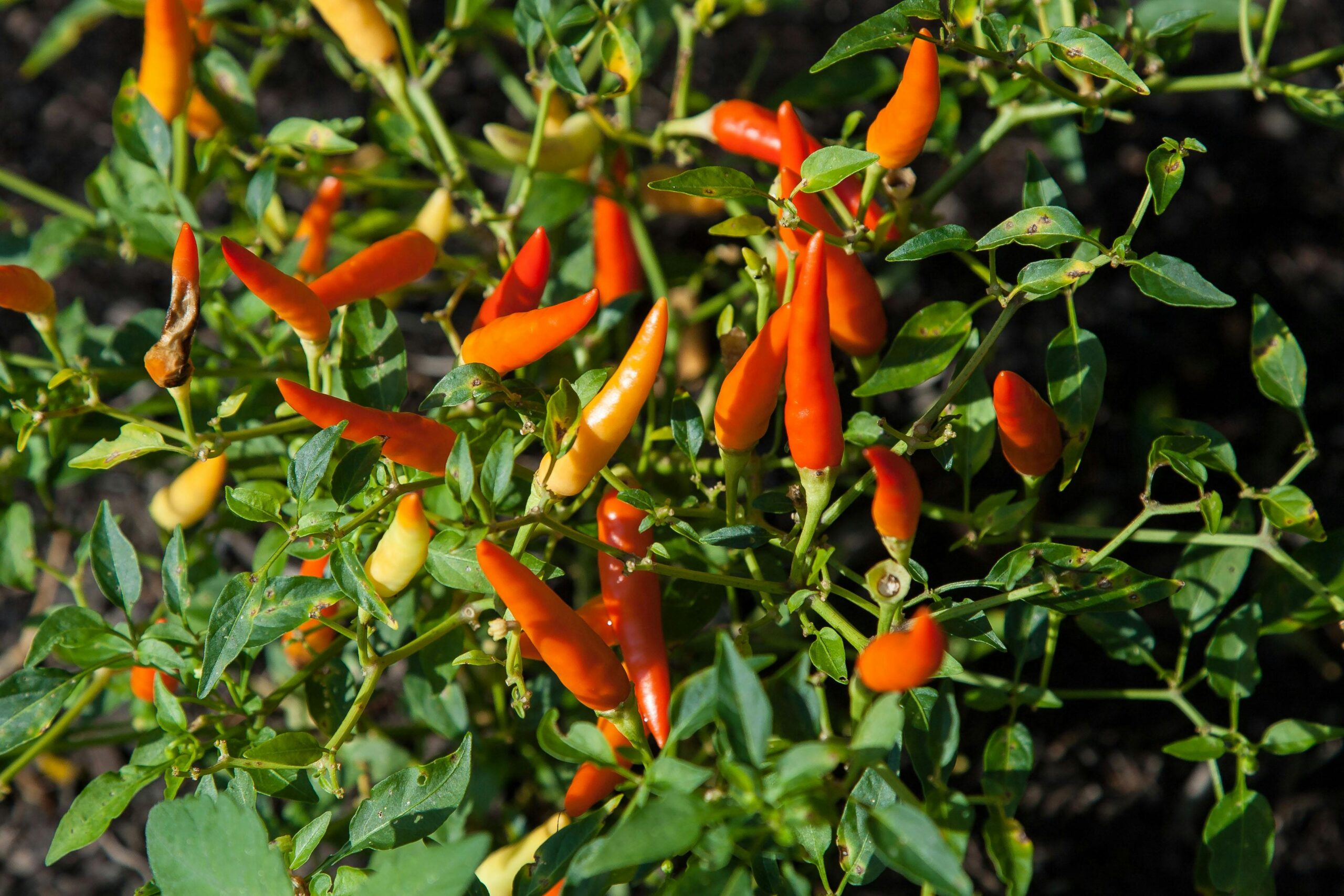
Colorful hot: Thai chili, Pequin (tiny, fiery, vivid red)
- Ornamental edible: Bola, purple-leaf ‘Black Pearl’ (round orange fruit, dark foliage contrast)
My real result: Pairing purple-leaf peppers with red jalapeños and yellow banana peppers turned my border into a conversation piece—neighbors thought it was a dedicated flower bed.
| Variety | Heat (SHU) | Best Use | Climate Fit |
|---|---|---|---|
| Pimiento | 0–500 | Stuffing | Zones 5–11 |
| Jalapeño | 2,500–8,000 | Salsas | Zones 3–11 |
| Thai Chili | 50k–100k | Curries | Zones 8–11 |
| Black Pearl | 10k–25k | Ornamental + cooking | Zones 5–11 |
2. Site and containers — sunlight is king
Peppers need 6–8 hours of direct sun daily for full color and fruiting. In hot zones, add afternoon shade to prevent sunscald.
-
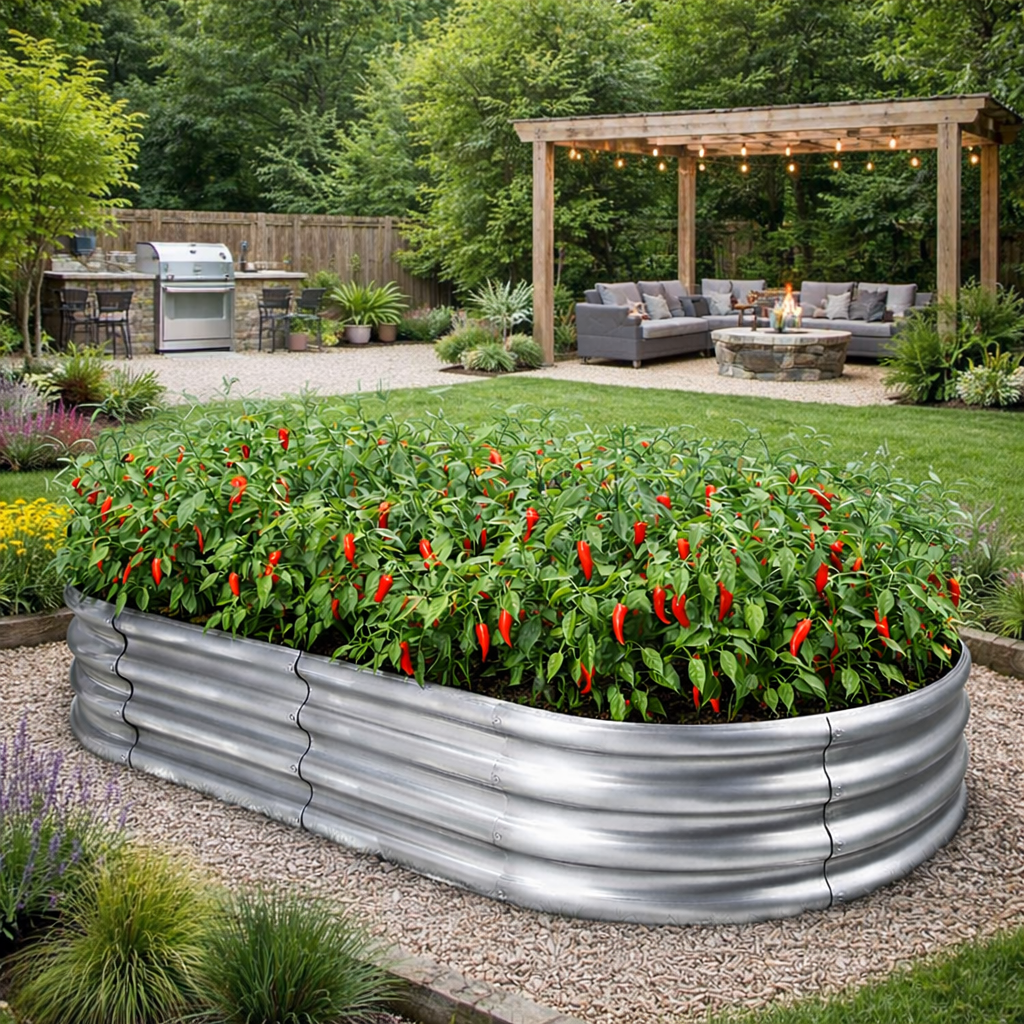
Raised beds: Warm up faster, great drainage, ideal for in-ground borders afternoon shade to avoid sunscald.
-
Containers: Portable to chase sun or shelter from rain; my potted peppers move with the light
-
Root space: 12–18 inches of soil depth minimum—shallow pots cause stunted growth
3. Soil & Fertility: Root Health = More Peppers
Use loose, humus-rich, well-draining soil with pH 6.0–7.0. Dense, wet soil is the #1 cause of pepper failure.
-
At planting: Mix in compost + balanced slow-release fertilizer
-
After fruit set: Switch to a higher-potassium feed to boost fruit development
-
Hard no: Heavy nitrogen once fruiting starts—it grows big leaves, not peppers
My lesson: Overfeeding nitrogen early made my plants bushy but bare; cutting nitrogen and adding potassium doubled my harvest in 2 weeks.
4. Planting & Spacing: Pretty & Disease-Resistant
-
Standard spacing: 18–24 inches between plants
-
Layout hack: Staggered rows/triangular groupings look fuller without crowding
-
Height layout: Tall varieties at back/center, dwarf/ornamental at edges
- Companion buffer: Leave edging space for flowers to blend peppers into formal beds
Pro tip: Harden off seedlings 7–10 days before planting outdoors to avoid transplant shock.
5. Watering & Mulching: Consistent Moisture, Less Work
-
Water deep & infrequent: Soak the root zone; shallow sprays cause weak roots
-
Check rule: Water when top 1–2 inches of soil is dry
-
Mulch layer: 2–3 inches of straw/shredded bark retains moisture, blocks weeds, stabilizes soil temp
My routine: I mulch all my pepper beds—weeding dropped by 80%, and I water 30% less in summer.
6.Support & Pruning: Neat Shape + Bigger Fruit
-
Support: Large-fruited types (bell, pimiento) need stakes/cages to stop branch breakage
-
Light prune: Remove lower leaves and early flower clusters for better air flow
- Tidy up: Pull yellowing leaves to keep a compact, bushy silhouette
No over-pruning—peppers naturally grow into attractive mounds with minimal trimming.
7. Pest & Disease Control: Gentle, Effective Methods
-
Keep beds clean of debris; rotate away from tomatoes/eggplant yearly
-
Small pests: Hand-pick, use insecticidal soap or neem oil
-
Prevent fungus: Water at soil level, keep plants spaced for air flow
- Boost beneficials: Plant marigolds/calendula nearby to attract ladybugs
I avoid harsh chemicals—my natural routine keeps aphids and mold away without harming pollinators.
8. Harvesting: Peak Flavor & Heat Control
-
Full color on the plant = maximum sweetness and flavor
-
Taste test often: Some peppers peak at yellow/orange, not fully red
-
Heat control: Pick fully ripe for max heat; early pick for milder, crisp flesh
- Most peppers ripen 60–90 days after planting
My habit: I harvest weekly to encourage more fruiting—regular picking keeps plants productive all season.
9. Garden Styling: Peppers + Flowers Combo
Turn peppers into landscape stars with easy pairing:
-
Edge plants: Calendula, marigold, lobelia soften borders and draw pollinators
-
Color echo: Purple basil + red peppers, or orange cosmos + orange peppers for cohesion
-
Accents: Painted stakes, small trellises add vertical interest without clutter
This combo makes my edible garden look intentionally designed, not a messy veggie patch.
10. Overwintering & Seed Saving
-
Warm zones: Overwinter plants in a bright indoor spot or greenhouse
-
Seed saving: Collect from fully ripe, disease-free fruit; dry thoroughly before storage
-
Season extension: Use row covers/cloches early spring to jumpstart growth