If you want to grow nutrient-dense food in your backyard with less work, fewer chemicals, and smarter space use, the Three Sisters planting method stands out as one of the most sustainable systems you can try. Rooted in thousands of years of Indigenous North American agricultural wisdom, this classic companion planting trio—corn, climbing beans, and summer squash or pumpkins—works as one self-reliant growing community.
I’ve practiced this traditional planting style in my backyard raised beds for four growing seasons, and the difference from separate single-crop planting is night and day. Early on, I struggled with weedy bare soil, wind-toppled corn, constant watering, and weak, nutrient-starved vegetables. After switching to the Three Sisters layout, I cut down on weeding, skipped store-bought trellises and synthetic fertilizer, and harvested heavier yields with far less daily maintenance. This isn’t just a gardening trend; it’s a balanced, natural ecosystem designed to help each crop thrive together.
What Is the Three Sisters Method?
Developed and refined by Indigenous communities like the Haudenosaunee tribes, the Three Sisters is a purposeful intercropping strategy that pairs three complementary crops to support one another above and below ground. Instead of growing corn, beans, and squash in isolated rows, they are planted in coordinated mounds and layers to share resources, defend against stress, and boost overall garden health.
Every plant has a clear, non-negotiable role, creating a closed-loop mini ecosystem:
-
Tall corn stalks act as sturdy natural vertical support
-
Climbing beans fix vital nitrogen to feed the soil
-
Sprawling squash vines form a dense living ground cover
This harmonious partnership eliminates common backyard gardening struggles and turns limited growing space into a highly productive food patch.
How Each Sister Plant Supports the Whole Garden
Corn: The Natural Structural Backbone
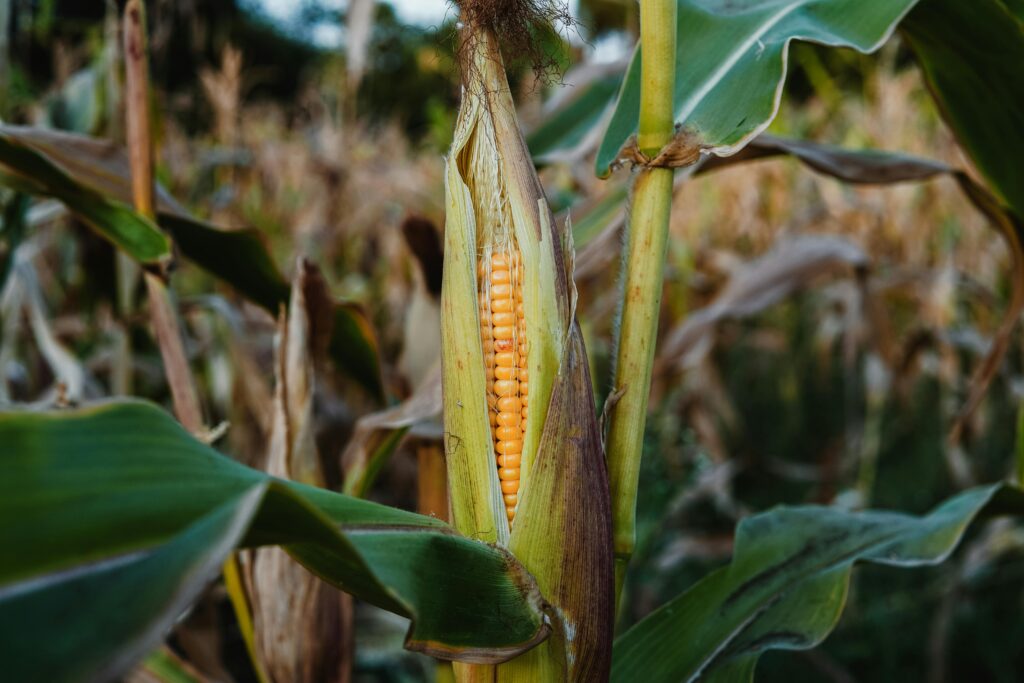
Corn is the foundation of the entire system. Its thick, sturdy stalks grow upright and strong, creating a free, organic trellis for vining beans to wrap around and climb.
From my personal experience, scattered single-row corn always bent or snapped during summer wind storms. When planted in dense clusters for the Three Sisters method, stalks lean on one another, creating natural wind resistance. No extra stakes, cages, or artificial supports are required, saving both money and garden space.
Beans: The Organic Soil Builder
Climbing beans are legumes, meaning they host beneficial root bacteria that pull nitrogen from the air and lock it into the soil. Nitrogen is a critical nutrient that corn heavily depletes as it grows, making beans the perfect natural fertilizer.
In my garden, I’ve noticed a clear visual difference: corn grown alongside beans has darker green foliage and fuller ears compared to corn planted alone. This natural nutrient exchange removes the need for frequent store-bought fertilizer and keeps your garden fully organic.
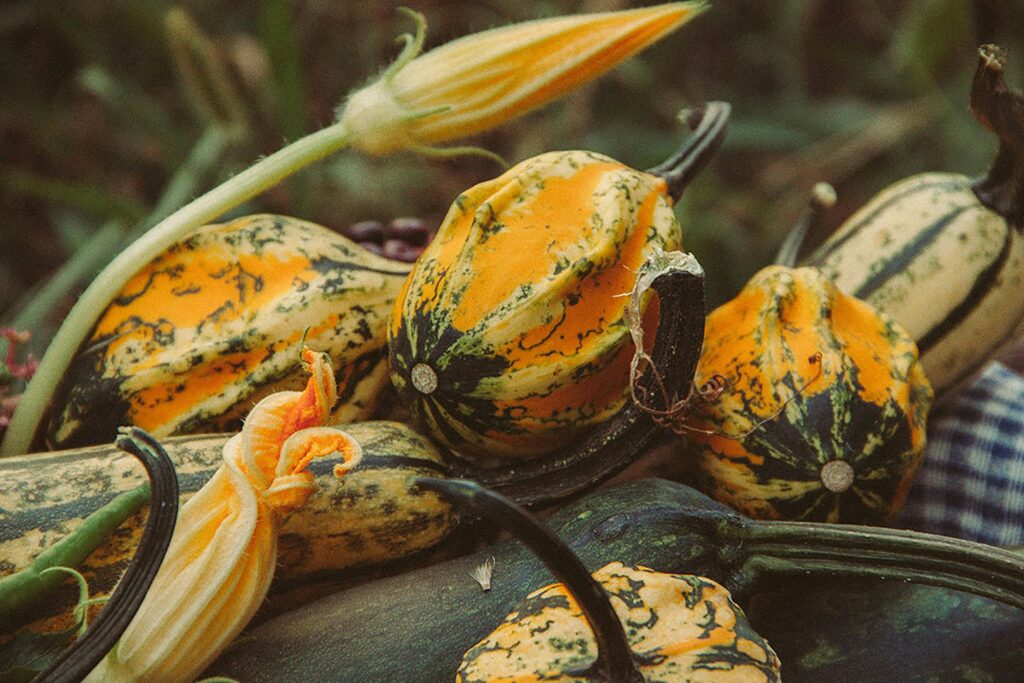
Squash & Pumpkin: The Living Mulch Shield
Large, broad squash and pumpkin leaves spread quickly across open ground, delivering three huge benefits I rely on every summer.
First, thick foliage shades bare soil, lowering surface temperatures during scorching heatwaves. Second, it slows water evaporation drastically, so I water my garden far less often. Third, the dense vine coverage blocks sunlight from reaching weed seeds, stopping unwanted growth before it starts.
Unlike dry mulch that needs yearly replacement, squash is a renewable, edible ground cover that produces fresh fruit while protecting your garden soil.
Vertical Layering: Maximize Small Backyard & Raised Bed Space
One of my favorite unique advantages of the Three Sisters system is its natural vertical layering design, which uses every inch of growing space from top to bottom. This layered structure is a game-changer for small yards, compact raised beds, and urban gardeners with limited room:
-
Top Layer: Tall corn captures full direct sunlight for energy and growth
-
Middle Layer: Twining bean vines climb corn stalks to access mid-level light
-
Bottom Layer: Low-growing squash vines cover the ground with minimal upward growth
Instead of wasting wide empty spaces between crop rows, you stack production vertically. In my 4×8 foot raised bed, I now grow three full vegetables in the same area that once only held one single crop.
Staged Growth Timeline: Avoid Competition & Weak Plants
New gardeners often fail with the Three Sisters method by sowing all seeds at once—I made this exact mistake in my first attempt. Fast-growing beans overtook young corn, and underdeveloped squash could not compete for nutrients. The system relies on staggered planting timing to keep growth balanced:
-
Seedling Stage: Plant corn first and let it establish strong roots and sturdy stalks
-
Growth Stage: Sow bean seeds only after corn reaches 6–12 inches tall
-
Maturity Stage: Plant squash around the mound perimeters once beans begin to sprout
This slow, intentional progression ensures no single crop dominates, and each plant matures at its ideal pace.
Improved Water Retention & Long-Term Soil Health
Healthy soil is the hidden win of this companion planting style. The thick squash canopy locks in soil moisture, preventing rapid drying on hot, windy days. In my dry regional climate, this simple cover cut my weekly watering time in half and stopped cracked, compacted soil from ruining root growth.
Additionally, the mixed root systems of shallow corn roots, mid-depth bean roots, and wide-spreading squash roots loosen dense soil over time. Reduced runoff, less soil erosion, and steady organic matter buildup create healthier long-term garden soil for future planting seasons.
Key Practical Planting Tips for Beginner Success
Drawing from my four seasons of trial and error, these actionable tips will help your Three Sisters garden thrive without guesswork:
-
Plant corn in small clustered mounds for better wind stability and strength
-
Wait for established corn growth before adding beans to prevent overcrowding
-
Tuck squash seeds around the outer edges of each corn and bean mound
-
Choose a full-sun location with loose, well-drained soil to avoid root rot
-
Select compact squash and pole bean varieties best suited for small spaces
-
Keep gentle, consistent moisture early on to support seed germination
 Quick Q&A: Solve Common Three Sisters Growing Issues
Q1: My beans won’t climb the corn stalks. What causes this?
A: This usually happens when beans are planted too early, before corn develops thick, firm stalks. I always wait until corn hits at least 8 inches tall to sow beans, so vines have a sturdy surface to wrap around.
Q2: Why are my squash vines sparse and slow to spread?
A: Excess shade from overgrown corn or overcrowded planting limits squash growth. Leave open outer space around each mound for squash to spread freely, and avoid overplanting corn in tight clusters.
Q3: My garden soil dries out too fast, even with squash planted.
A: Add a thin layer of straw mulch between squash vines for extra insulation, or check that squash plants have enough nutrients to grow full, dense leaves. Healthy foliage is the best natural moisture lock.
Q4: My corn stalks keep falling over in wind or rain.
A: Single-row corn is fragile by design. Switch to clustered mound planting with 4–5 corn seeds per group; intertwined stalks support each other far better than standalone plants.
Q5: Do I still need to add fertilizer to this garden setup?
A: You will need far less synthetic fertilizer. Beans provide steady natural nitrogen, but a light seasonal layer of compost supports balanced nutrients for all three crops without harsh chemicals.
Q6: Can I grow the Three Sisters method in standard raised beds?
A: Absolutely. I grow mine exclusively in raised beds. Simply scale down mound size and spacing to fit your bed dimensions, and avoid overpacking plants to maintain airflow.
Final Thoughts
The Three Sisters planting method turns ancient Indigenous growing wisdom into a perfect modern backyard solution. Corn, beans, and squash do not just grow side by side—they protect, feed, and sustain one another, creating a low-effort, high-output garden system that works for beginners and experienced growers alike.
After years of testing, I can confidently say this is one of the most rewarding, low-labor ways to grow fresh homegrown vegetables. It cuts down on routine chores, builds natural soil fertility, and lets you harvest three unique crops from one unified garden space.
If you want to build a self-sufficient, eco-friendly backyard garden that produces abundant harvests all summer long, the Three Sisters companion planting method is a timeless, proven choice.