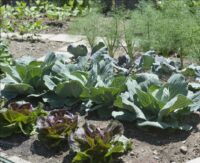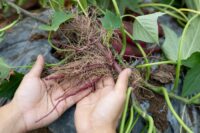
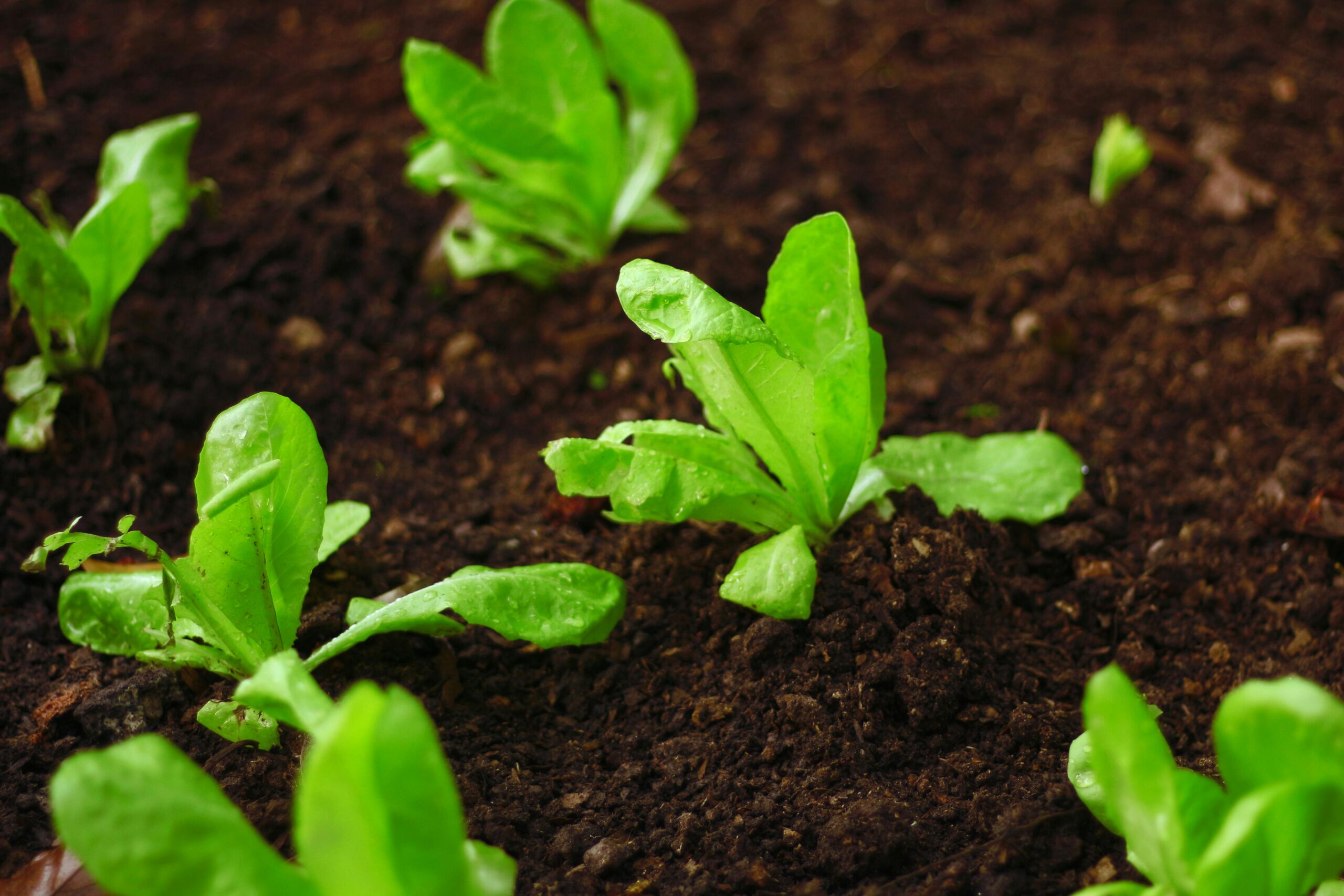
After 5 years of tending my backyard raised beds—from struggling with dry, compacted dirt to nurturing rich, crumbly soil teeming with earthworms—I’ve learned: healthy soil is a living ecosystem, and many “convenient” gardening products I once used were suffocating it. I swapped these harmful items for natural alternatives, and my garden thrived. This guide shares my real mistakes, tested swaps, and actionable tips to build resilient soil—no green thumb required.
1. Landscape Fabric → Wood Mulch (My Biggest Soil Mistake)
Landscape fabric is a silent soil killer. I lined my beds with it early on to skip weeding, only to find it blocked air/water, killed microbes, and stunted plant roots. My tomatoes wilted, carrots twisted, and earthworms vanished.
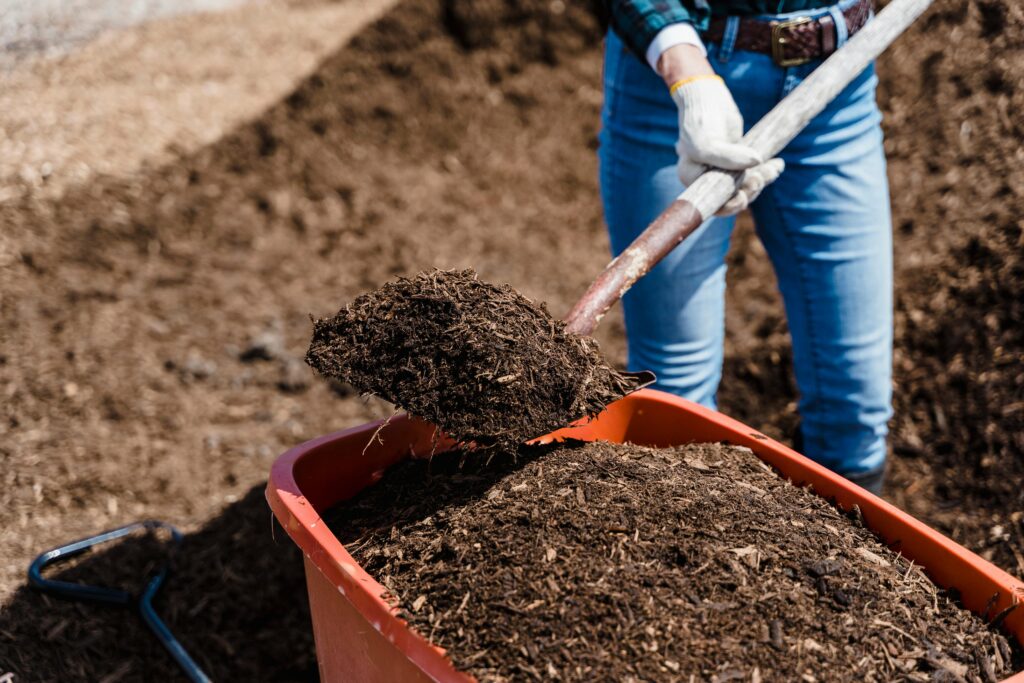
Better Choice: Wood Mulch – Shredded hardwood mulch suppresses weeds and feeds soil as it decomposes. Apply 2–3 inches around plants (keep 2 inches from stems) and replenish yearly. My Result: Earthworms returned in 3 months, soil stayed moist, and pepper yields doubled.
2. Synthetic Fertilizers → Compost (Ditch the “Quick Fix”)
Synthetic fertilizer gives a quick green burst but is like junk food for soil: it kills beneficial microbes, causes salt buildup, and leaves soil dependent on constant applications. My plants wilted days after using it, and soil turned hard.
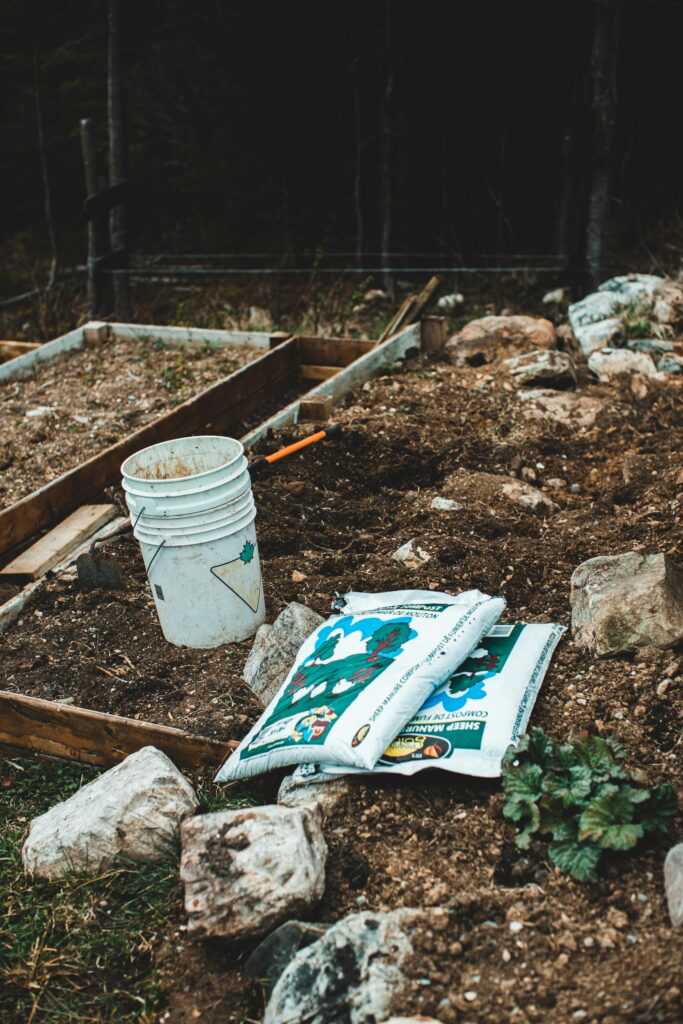
Better Choice: Compost – Nature’s perfect slow-release fertilizer feeds plants and soil. Mix 2–3 inches into beds in spring, top-dress mid-season. My Result: Soil turned crumbly, lettuce stayed crisp, tomatoes produced more fruit, and I haven’t bought synthetic fertilizer in 3 years.
3. Peat Moss → Coconut Coir (Sustainable & Effective)
Peat moss retains moisture but is unsustainably harvested from ancient bogs (thousands of years to regenerate) and offers no long-term soil benefits. I stopped using it once I learned its environmental cost.
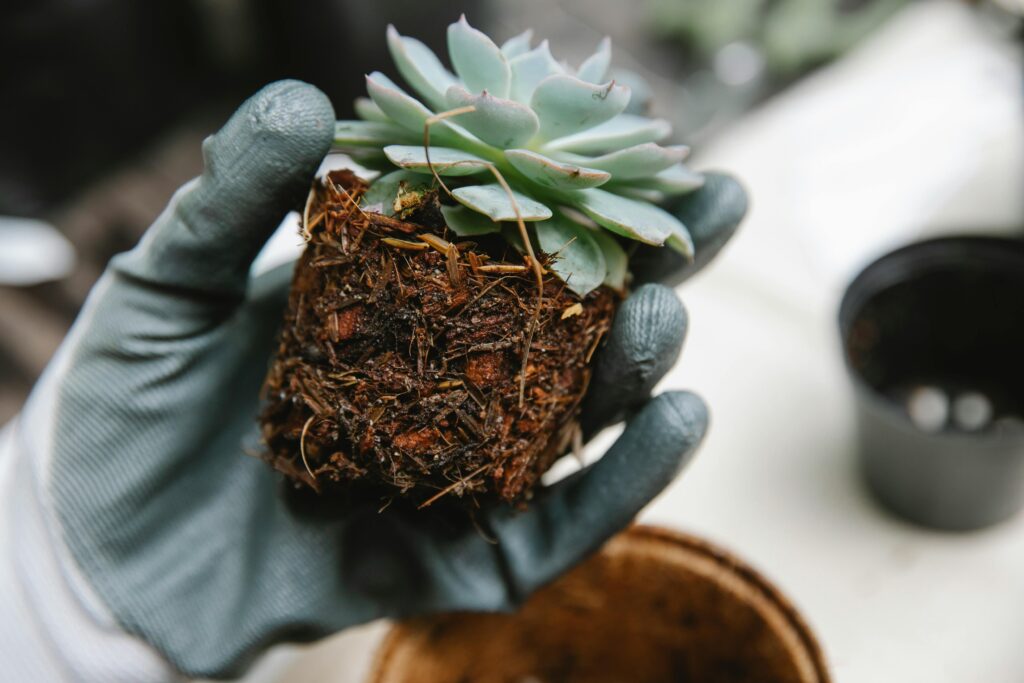
Better Choice: Coconut Coir – Renewable (made from coconut husks), retains moisture, improves aeration, and breaks down to feed soil. My Result: Seeds germinated faster, carrot roots grew straight, and I avoided harming peat ecosystems.
4. Heavy Tilling → Gentle Aeration (Broadforking Changed My Soil)
I tilled yearly thinking it loosened soil, but it destroyed fungal networks, compacted dirt, and killed microbes. My soil got worse over time.
Better Choice: Gentle Aeration – Use a broadfork to pierce soil (no turning) and practice no-dig gardening. Add compost/mulch; earthworms do the rest. My Result: Soil stayed loose, tomato roots grew deeper, and root rot decreased.
5. Chemical Fungicides → Compost Tea (Natural Disease Control)
Chemical fungicides kill both harmful and beneficial fungi, leaving soil vulnerable. I used one for powdery mildew and killed my soil’s natural defenses.
Better Choice: Compost Tea – Steep 1 gallon compost in 4 gallons water for 3–5 days, strain, and spray on plants/soil. My Result: Powdery mildew vanished, plants were more resilient, and soil microbes thrived.
6. Plastic Weed Barriers → Cardboard (Biodegradable & Effective)
Plastic barriers block weeds but trap moisture, cut off oxygen, and break down into microplastics. I found plastic pieces in my soil years later.
Better Choice: Cardboard – Lay flattened, label-free cardboard over weeds, cover with mulch. It smothers weeds and breaks down into compost.My Result: Weeds were gone, soil got richer, and I reused free boxes.
My Soil Health Timeline (What to Expect)
| Timeframe | What I Noticed |
|---|---|
| 1–3 Months | Earthworms return, soil feels looser, less watering needed |
| 6 Months | Plants grow stronger, fewer pests/diseases, better germination |
| 1 Year | Soil is crumbly and dark, yields increase by 30–50% |
| 2–3 Years | Soil is self-sustaining, no need for synthetic inputs, plants thrive with minimal maintenance |
Quick Q&A (From My Experience)
Q1: Will natural alternatives reduce yield?
No—short-term may be slightly smaller, but yields double long-term with healthier soil.
Q2: How long to improve soil?
Small changes in 1 season; significant results in 1–3 years.
Q3: Is compost enough to replace fertilizer?
Yes—add bone meal for nutrient-hungry plants like tomatoes.
Q4: Can I control weeds without plastic/fabric?
Yes—cardboard + mulch is more effective.
Q5: Biggest beginner soil mistake?
Overworking it—excessive tilling/chemicals disrupts the ecosystem.
Final Thoughts
Building healthy soil is about nurturing an ecosystem, not “fixing” dirt. Small swaps—ditching fabric for mulch, synthetic fertilizer for compost—turned my struggling garden into a thriving one. These beginner-friendly, affordable changes deliver better yields, less work, and a sustainable garden that improves year after year.