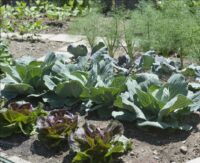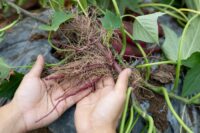

April in my raised bed garden is equal parts excitement and controlled chaos—but after 5 years of trial and error (and a few heartbreaking late frost casualties), I’ve turned this month into the foundation of my entire growing season. If you’re planting in galvanized or wooden raised beds like me, you already have a huge head start: my metal beds warm up 3–5 days faster than my in-ground rows, drain away April’s heavy rains before they rot roots, and let me cram more crops into less space without overcrowding.
The key isn’t just “planting what grows in spring”—it’s matching your crops to your raised bed’s unique superpowers. I used to plant lettuce and spinach randomly, only to watch them bolt when the metal beds got too hot by mid-May. Now, I plan every April planting around three things: cool-hardy crops that love the early warmth, vertical growers that save bed space, and succession plans that keep my beds producing all summer long. Let’s break down exactly what to plant, when, and how to avoid the mistakes I made.
Cool-Season Vegetables: The April Workhorses (My Go-To First Plantings)
These crops thrive in April’s mild days and light frosts, and raised beds make them even easier to grow—no compacted soil, no muddy rows after rain. I plant these first because they’re low-risk, fast-growing, and let me start harvesting before summer crops even hit their stride.
Lettuce
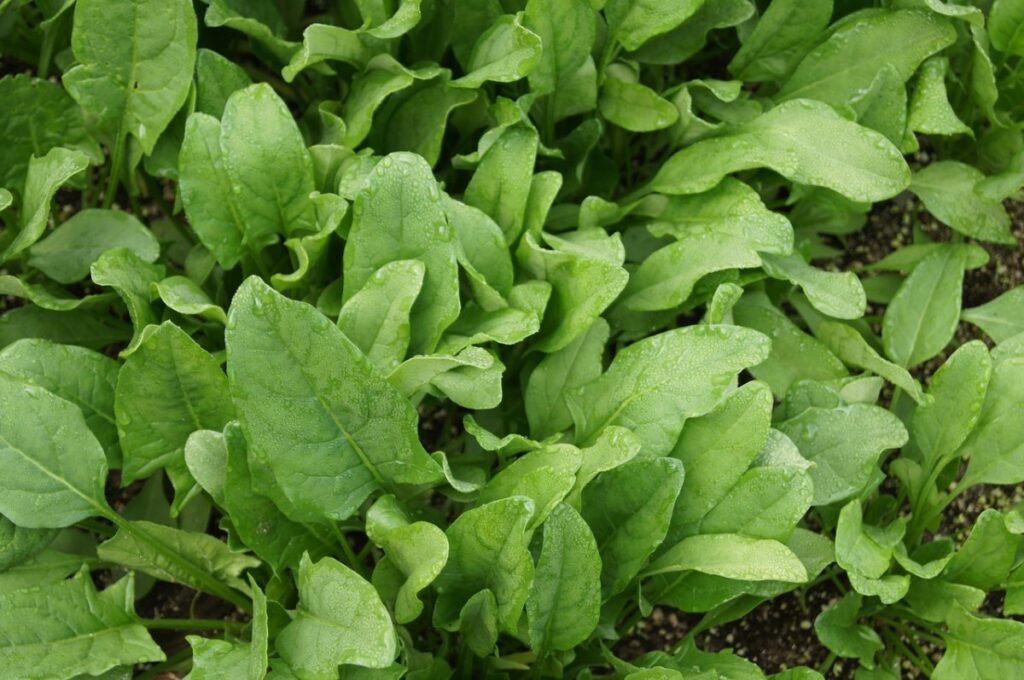
Lettuce is the ultimate raised bed crop for April, and it’s the first thing I seed every year. My biggest early mistake? Planting all my lettuce at once. Now, I do succession planting: I seed a new 1-foot row in my raised bed every 10 days, so I never run out of fresh leaves (and never have a whole bed bolt to seed in one hot week).
My favorite trick? Plant loose-leaf varieties (like Black Seeded Simpson) in the front of my beds, where they get a bit of afternoon shade once taller crops grow. They stay tender longer than crisphead types, and I harvest them with the “cut-and-come-again” method—just snip the outer leaves, and they regrow in 2–3 weeks.
-
Harvest speed: Ready to pick in as little as 28 days (I grabbed my first leaves last year on day 28!)
-
Bed hack: Mix lettuce seeds with radish seeds in the same row. The fast-growing radishes mark the row, so you don’t accidentally pull lettuce while weeding.
-
Spacing tip: 4–6 inches apart (closer than in-ground, thanks to better bed air flow)
Spinach
Spinach is my April “set-it-and-forget-it” crop, and raised beds keep it happy even when April rains turn my yard into a mud pit. I plant it in the back of my beds, where it gets 4–6 hours of morning sun (too much afternoon heat makes it bolt fast).
I learned the hard way that spinach hates compacted soil—my first year in raised beds, I didn’t loosen the dirt deep enough, and the roots couldn’t spread, so the plants stayed tiny. Now, I mix 2 inches of compost into the top 6 inches of bed soil before seeding, and my spinach grows twice as big.
-
Shade hack: Plant spinach under your pea trellises. By the time the peas grow tall and shade the spinach, the spinach is ready to harvest, and the peas take over the bed space.
-
Harvest tip: Pick young leaves before the plant bolts—they’re tender and not bitter.
Radishes
Radishes are my favorite “gap fillers” for April raised beds—they mature in 3–4 weeks, so I plant them between slower crops like carrots or lettuce to make use of every inch of space. Last year, I planted radishes next to my carrot rows, and they marked the rows so I didn’t accidentally pull carrot seedlings while weeding. Bonus: their roots loosen the soil for carrots, which love loose, uncompacted dirt.
-
Quick win: Ready to harvest in 21–28 days—perfect for impatient gardeners!
-
Mistake to avoid: Don’t overwater them. Raised beds drain fast, but soggy soil makes radishes split. Water once a week, or when the top inch of soil is dry.
Carrots
If you’ve ever grown twisted, stunted carrots, you know why raised beds are game-changers for this crop. The loose, uncompacted soil in my beds lets carrots grow straight and uniform—no more weird, knobby roots! I seed them in April, when the soil is still cool (they germinate best between 50–70°F), and thin them to 2 inches apart once they sprout.
My trick? Mix carrot seeds with sand before planting—they’re tiny, so the sand helps spread them evenly, so you don’t waste seeds or end up with overcrowded rows.
-
Storage win: They keep well after harvest, so you can pull them as you need them all summer.
-
Bed care: Avoid walking near bed edges, which can compact the soil over time and stunt carrot roots.
Peas
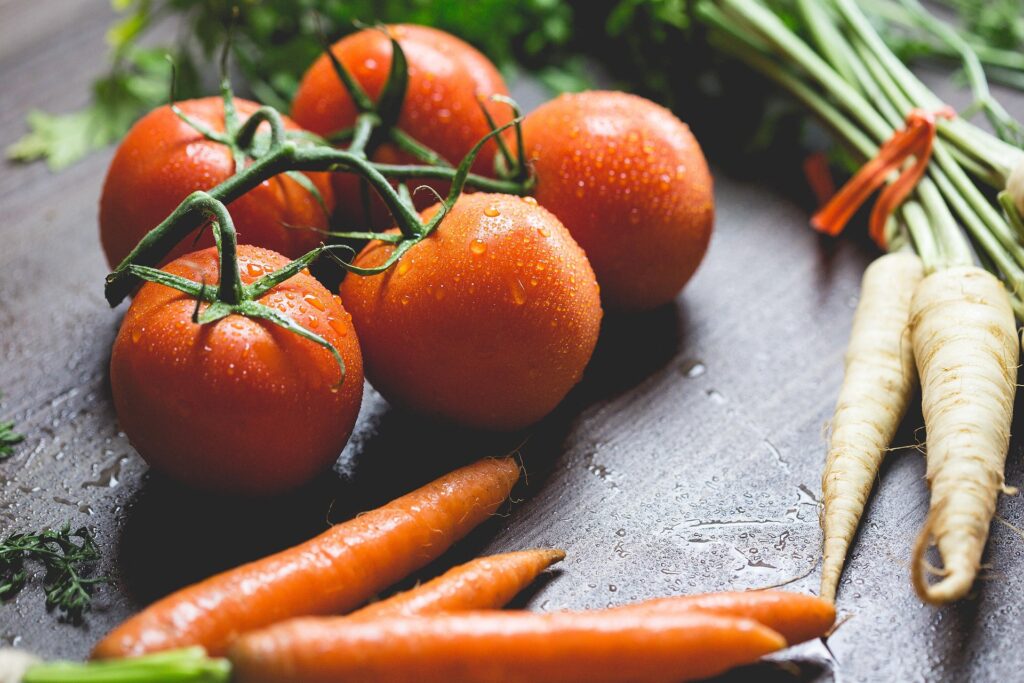
Peas are my favorite vertical crop for April raised beds—they grow up, not out, so they don’t take up valuable bed space. I plant them along the back of my beds with a simple bamboo trellis, and they climb 4–5 feet tall by mid-summer. They’re also nitrogen-fixers, so they feed the soil as they grow—perfect for next year’s crops!
I learned early that peas hate being transplanted, so I always direct-seed them in the bed. Last year, I tried starting them indoors, and they got shocked when moved outside—stunted growth, few pods. Direct seeding is way better.
-
Space saver: Vertical growth lets you plant low-growing crops like lettuce or spinach in front of them.
-
Variety tip: Plant sugar snap peas instead of shelling peas. They’re easier to grow, and you eat the whole pod—no shelling required!
Hardy Herbs: The April Kitchen Staples (Low-Maintenance, High Reward)
I always tuck a few herbs into my raised beds in April—they take up little space, repel pests, and I use them in almost every meal. These three are my go-tos, and they’re almost impossible to kill.
- Cilantro: Bolts as soon as it gets too hot, so April is the perfect time to plant it. Grow it in the front of the bed with afternoon shade to keep it from bolting longer. Succession plant every 3 weeks for a steady supply of leaves for tacos or salsa.
- Parsley: A slow starter, but once established, it grows all summer. Soak seeds in warm water overnight before planting to speed up germination by a week. It repels aphids, so plant it near tomatoes for pest control.
- Chives: Perennial, so they come back every year. Trim them back once a month to encourage fuller growth, and let their purple flowers bloom—they attract pollinators to the bed.
Warm-Season Crops: Late April Plantings (For When Frost Risk Is Gone)
In my Zone 6 garden, I wait until late April (after my last frost date, around April 20) to plant these warm-weather crops. Raised beds’ fast-warming soil gives them a head start—my tomato transplants are always bigger and healthier than my neighbor’s in-ground plants by mid-May.
Tomatoes
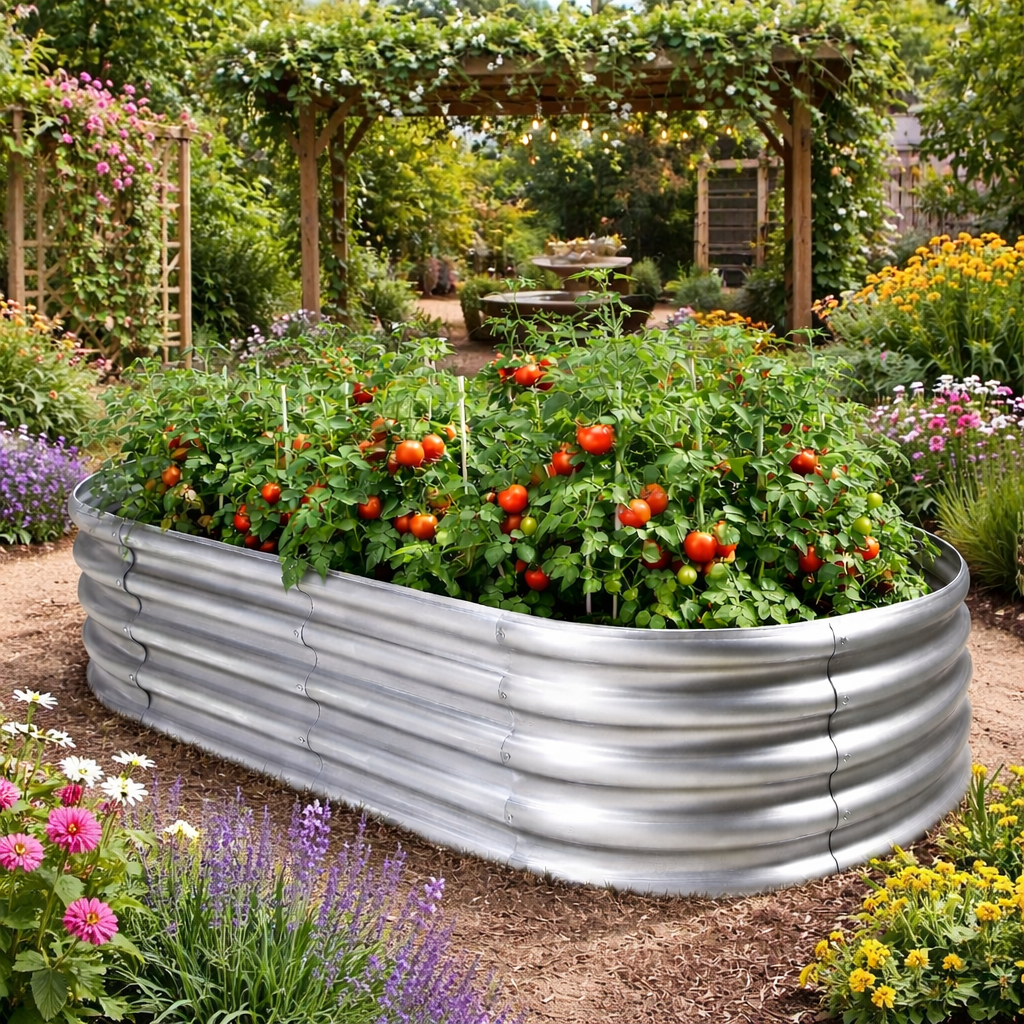
Tomatoes are my favorite raised bed crop, and I’ve learned the key to success is waiting until the soil is warm enough (above 60°F) to transplant them. Last year, I planted a week too early, and the cold soil shocked the plants—they took 3 weeks to start growing. Now, I use a soil thermometer to check before planting.
I stake my tomatoes with tall cages in the back of my beds, so they grow up and don’t shade other crops. Raised beds’ loose soil lets their roots spread deep, so they produce more fruit.
-
Bed hack: Add a handful of crushed eggshells to the planting hole to prevent blossom end rot.
-
Planting tip: Bury 2/3 of the stem when transplanting—they’ll grow roots along the stem for stronger plants.
Peppers
Peppers love warm soil, and my raised beds are the perfect spot for them. I transplant them at the end of April, and they thrive in the well-drained, nutrient-rich soil. I grow both sweet bell peppers and hot jalapeños, and they produce all summer long.
-
Sun tip: Plant in the sunniest part of the bed—they need 8 hours of full sun to produce well.
-
Watering tip: Water deeply once a week, and let the top inch of soil dry out between waterings.
Cucumbers
Cucumbers grow fast, and trellising them in raised beds saves so much space. I plant them in late April, and train them up a bamboo trellis at the end of my bed. Growing them vertically keeps the fruit off the ground, so no rot or pests.
-
Disease prevention: Vertical growth improves air circulation, reducing powdery mildew risk.
-
Harvest tip: Pick cucumbers when they’re 6–8 inches long—they’re tender and crisp.
Zucchini & Summer Squash
These are the most productive plants in my raised beds—one zucchini plant gives me more squash than I can eat! I plant them at the end of April, in a sunny spot in the middle of the bed. Their large leaves shade the soil, keeping it cool and moist for surrounding crops.
-
Harvest tip: Pick zucchini when they’re 6–8 inches long—they’re tender and not seedy. If you let them get too big, they get tough and drain the plant’s energy.
Root Crops: Keep Planting All April Long
Root crops like beets and turnips are perfect for succession planting in April. I seed them every 2 weeks, so I have a steady supply of tender roots all spring.
-
Beets: Dual-purpose crops—you eat the roots and the greens! Plant in loose, well-drained soil, and thin to 3 inches apart. Harvest when roots are 1–2 inches in diameter for the sweetest flavor.
-
Turnips: Fast-growing and underrated—they mature in 4–6 weeks, and both roots and greens are edible. Plant in gaps in your bed, and harvest young for the best taste.
Quick April Raised Bed Planting Schedule (By Week)
| Week | Crops to Plant | My Raised Bed Pro Tip |
|---|---|---|
| 1–2 (Early April) | Lettuce, Spinach, Radishes, Peas, Chives | Plant peas along the back trellis; mix radish seeds with lettuce to mark rows |
| 3 (Mid April) | Carrots, Beets, Parsley, Cilantro | Succession plant lettuce/radishes; soak parsley seeds overnight |
| 4 (Late April) | Tomatoes, Peppers, Cucumbers, Zucchini | Use a soil thermometer to check for 60°F+ before transplanting warm crops |
My Top 5 April Raised Bed Tips (From 5 Years of Trial and Error)
1.Prep Your Beds First: Before planting, mix 2–3 inches of compost into the top 6 inches of soil. My beds get compacted over winter, so loosening dirt ensures good drainage and root growth.
2.Don’t Overcrowd (Even If You Want To): I used to cram too many plants into my beds, and they all got powdery mildew from poor air flow. Now, I stick to spacing guidelines, and my plants are healthier and more productive.
3.Water Smart: Raised beds drain fast, so check soil moisture daily—especially for seeds. Water gently with a spray nozzle to avoid washing seeds away.
4.Succession Planting Is Non-Negotiable: Plant lettuce, radishes, and cilantro every 10–14 days. It takes 5 minutes, and you’ll never run out of fresh produce.
5.Frost Protection Saves the Day: I keep a roll of row cover by my beds every April. Last year, a late frost hit on April 22, and I covered my lettuce and spinach with it—they survived, while my neighbor’s in-ground plants died. It’s worth the extra step!