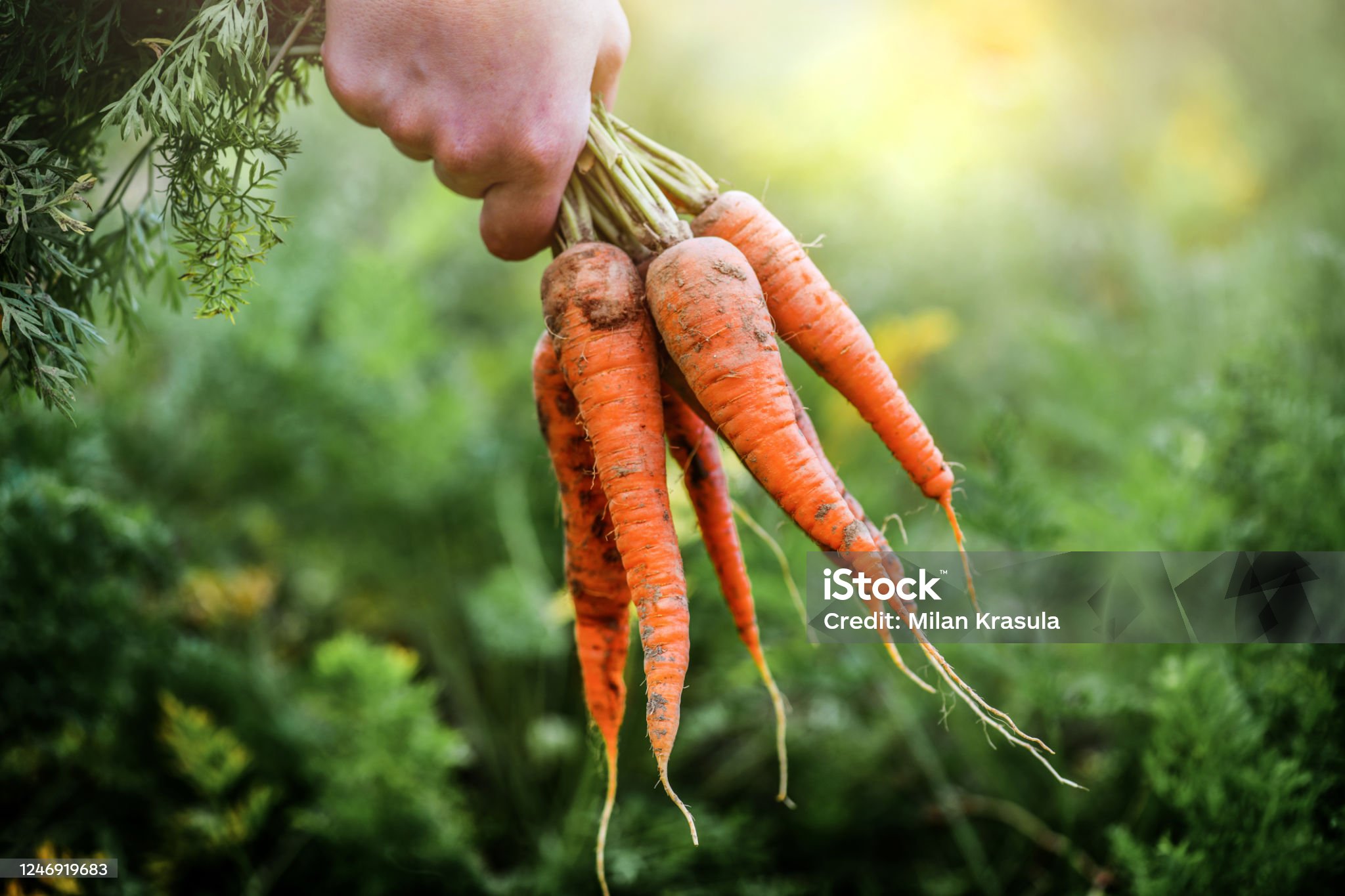
Carrots were my first gardening heartbreak. My very first batch came out lumpy, twisted, and so small they barely qualified as “baby carrots” — I had no idea compacted clay soil and overcrowding would turn my harvest into a pile of sad, compost-bound roots. After 3 years of trial and error (and way too many carrots that didn’t make it to the kitchen), I’ve landed on a foolproof method that gives me crisp, sweet, straight carrots every single time.
This isn’t generic “garden advice” — it’s the lessons I learned from killing (and then reviving) my carrot beds, plus hacks most guides skip. I’ll even share my go-to companion planting trick that keeps pests away without chemicals.

When to Plant (My Zone 6 Timeline That Works)
I used to plant carrots too early in cold, wet soil — half the seeds rotted, and germination was patchy. Now I stick to this schedule, tailored to my climate:
-
-
Spring harvest: Sow 2–3 weeks before your last frost date (mid-April for me). The soil just needs to be workable, not frozen solid.
-
Fall harvest: Sow 10–12 weeks before your first hard freeze (mid-July for me). These carrots actually taste sweeter — light frost boosts their sugar content, a little-known hack!
-
Mild climates: Succession sow every 2–3 weeks for year-round harvests.
-
Soil Prep: The #1 Fix for Forked Carrots
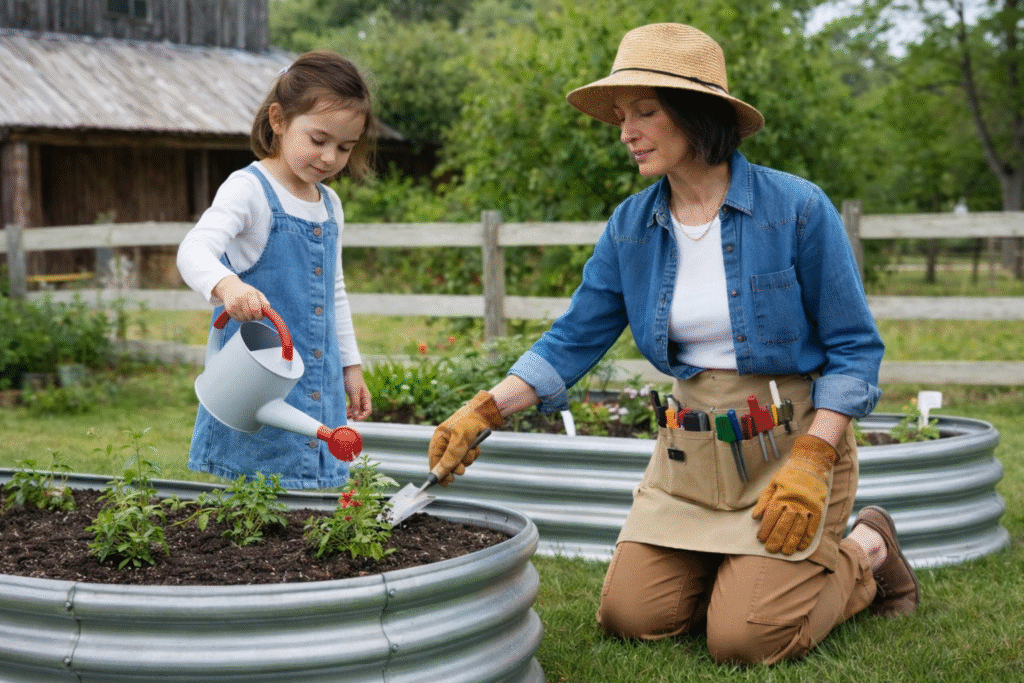
My biggest mistake the first year? Trying to grow carrots in my heavy clay backyard soil. The result? Every carrot hit a hard clod and forked. Now I prep beds like this, tested over 3 years:
-
Dig deep: Go 12–14 inches down — even “short” carrots need room to grow straight.
-
Sift everything: I use a cheap garden sieve to remove rocks, clods, and old roots. This cuts forking by 90%.
-
Mix the right blend: Add 3 inches of well-rotted compost (no fresh manure — too much nitrogen gives you all leafy tops, no roots!) + 1 inch of coarse sand to loosen clay.
-
Check pH: Aim for 6.0–6.8. If your soil is too acidic, add a handful of lime.
Pro tip: If you have heavy clay like me, skip in-ground beds and use deep containers or raised planters with a 50/50 mix of potting soil and sand. It’s the only way to guarantee straight roots.
Choose the Right Variety (Don’t Grab Whatever’s on Sale!)
I used to just pick whatever carrot seed was at the store — big mistake! Long “Nantes” varieties died in my shallow first bed. Now I match my picks to my soil:
-
Shallow beds (<10 inches): ‘Paris Market’ round carrots — they grow like little orange balls, no forking, perfect for kids’ snacks.
-
Deep loose beds (>12 inches): ‘Danvers Half Long’ — my go-to for sweet, crisp carrots that store all winter.
-
Pest-prone areas: ‘Flyaway’ — bred to resist carrot fly, which saved my 2024 harvest when my neighbor’s garden was hit.
I also succession plant two varieties: early ‘Nelson’ for quick summer harvests, and late ‘Scarlet Nantes’ for fall storage.
Sowing Seeds (My 2 Tricks to Avoid Overcrowding)
Carrot seeds are tiny, and my first sowing was way too dense — I ended up with a carpet of seedlings that fought for space. Now I use these two hacks:
-
Sand mix: Combine 1 part carrot seed with 10 parts fine sand. This spaces them out naturally, no more overcrowding.
-
DIY seed tape: I make my own with toilet paper and a tiny bit of school glue. Lay seeds 1 inch apart on the paper, then plant the whole strip. It takes 10 minutes, and I barely have to thin later.
Sow ½ inch deep, rows 12 inches apart, and cover with a thin layer of loose soil. Water gently with a mist nozzle — a strong spray will wash seeds away. Germination takes 7–21 days; I keep the surface moist with a light straw mulch to prevent crusting.
Thinning: The Step You Can’t Skip (I Learned the Hard Way)
My first year, I couldn’t bear to pull the tiny seedlings — the result? All carrots were the size of my pinky finger. Now I thin twice, no exceptions:
-
First thin: When seedlings are 1–2 inches tall, snip extras with small scissors to 1 inch apart. Don’t yank — you’ll disturb the roots of the ones you want to keep.
-
Second thin: A month later, thin again to 2–3 inches apart (adjust for variety). This gives them room to fatten up.
Bonus win: The baby carrots you thin are edible! I toss them in salads or stir-fries — no waste, and a bonus early harvest.
Watering: Even Moisture = No Split Carrots
Inconsistent watering caused my worst harvest: one week of heavy rain followed by a dry spell, and half my carrots cracked open. Now I follow this routine:
-
Water deeply once a week, giving 1 inch of total water.
-
Check soil moisture 3 inches deep — if it’s dry, water.
-
Mulch with straw once seedlings are 3 inches tall. This keeps moisture even and cut my split carrot rate by 80%.
My Secret Pest Control Trick: Companion Planting
Carrot fly was my biggest enemy for years — larvae burrow into roots, turning them mushy and inedible. I tried every spray, but the only thing that worked was planting carrots next to onions and garlic. Their strong smell masks the carrot scent, keeping flies away.
I also use a fine mesh row cover over beds from sowing to harvest — it keeps pests out without blocking sunlight. Crop rotation is key too: I never plant carrots in the same spot for 3 years, so pests can’t build up in the soil.
Harvest & Storage (Keep Them Crisp for Months)
I used to pull carrots too early (small, flavorless) or too late (woody, bitter). Now I know the signs:
-
Harvest when the carrot shoulder is ½–1 inch wide — that’s when they’re at their sweetest.
-
Loosen the soil around them with a garden fork first, then pull gently to avoid breaking roots.
-
Storage hack: Brush off dirt (don’t wash them!) and store in a perforated plastic bag in the fridge crisper — they stay crisp for 3–4 months. For long-term storage, pack them in moist sand in a cool basement, and they’ll last all winter.
Quick Q&A: The Carrot Problems I’ve Solved
These are the questions I get asked most, all from my own trial and error:
Q: My carrots are skinny and small. What happened?
A: Overcrowding (you skipped thinning), compacted soil, or inconsistent moisture. My first year, I skipped thinning, and every carrot was tiny. The fix? Thin to 2–3 inches apart, loosen soil deeply, and water evenly.
Q: Carrots are forked or split. How do I prevent that?
A: Forking = rocks/clods in the soil. Splitting = dry spell followed by heavy rain. The fix? Sift out all obstacles, use loose soil, and mulch to keep moisture even.
Q: Tops look healthy but roots are stunted.
A: Too much nitrogen! I used high-nitrogen fertilizer once, and got all leaves, no roots. The fix? Use low-nitrogen fertilizer (5-10-10 is my go-to) and add compost, not fresh manure.
Q: Germination is slow or patchy.
A: Cold soil or crusty surface. My first spring sowing was too early, and seeds rotted. The fix? Sow when soil is above 50°F, keep the surface moist, and use a light mulch to prevent crusting.