March makes or break your tomato harvest—and I’ve learned this the hard way across two very different U.S. climates.
For years, I planted tomatoes in March based only on the calendar: in my old Zone 5 Midwest garden, I stuck seedlings outside too early and watched them turn purple, stunt, and never recover; in my current Zone 9 Southern California yard, I skipped hardening off and lost half my transplants to a surprise cold snap.
Tomatoes are warm-season crops that hate cold soil and frost, so March isn’t a “one-size-fits-all” planting month. This guide cuts through generic advice, uses real regional growing experience, and gives you actionable steps to grow strong plants and a heavy summer harvest—no guesswork, no wasted seedlings.
1. The Temperature Rules I Live By (No More Stunted Tomatoes)
Tomatoes don’t care about the calendar—they only care about consistent warmth. After dozens of failed early plantings, I stick to these non-negotiable temperature rules (they’ve saved every crop since):
-
Soil temp minimum: 60°F (15.5°C) – I keep a $15 soil thermometer to check; cold soil is the #1 cause of root rot and stunted growth.
-
Night air temp: Consistently above 50°F (10°C) – Even one night below this damages tender tomato plants permanently.
-
Ideal daytime range: 70–85°F (21–29°C) – Perfect for steady foliage and fruit growth.
My real lesson: Warm air doesn’t equal warm soil. In the Midwest, I’d have 70°F afternoons in March but 45°F soil—my tomatoes still failed. Always test soil first.
2. What to Actually Do in March (By U.S. Region, No Fluff)
March splits gardeners into two groups: those who plant outdoors, and those who only start seeds indoors. Here’s what actually works for each area, based on my growing experience and local gardener tested tips:
Warm Southern Zones (8–11: SoCal, Texas, Florida, Georgia, Arizona)
What I do in SoCal Zone 9:
March is my main outdoor transplanting month (I plant between Feb 25–Mar 20). I either set out store-bought seedlings or direct-sow seeds in warmed soil.
Upside: Long growing season, and I can get a second tomato harvest in fall.
Catch: Sudden cold snaps still happen—I keep frost cloth handy to cover plants if temps drop below 50°F.
Mid-Latitude Zones (6–7: Virginia, Tennessee, Northern CA, Missouri)
March task only: Start seeds indoors or prep garden beds.
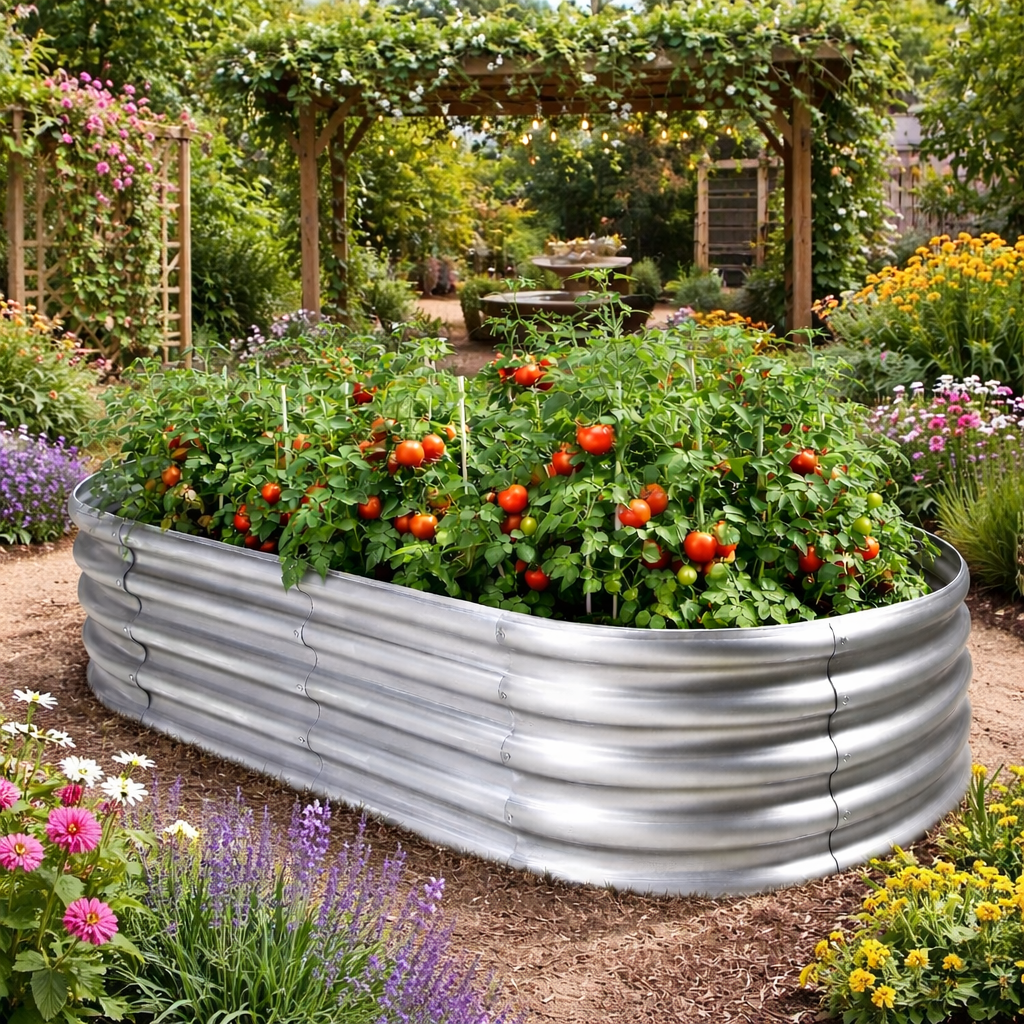
Outdoor planting is still too risky (last frost hits March–April), and cold soil will kill young plants. I add compost to raised beds here to warm soil faster for April planting.
Northern Zones (3–6: NY, Michigan, Illinois, Minnesota, Maine)
March rule: No outdoor planting, ever.
Last frost is April–June, and March soil is far too cold. I start all my tomato seeds indoors in seed trays—transplanting can’t happen until May or early June.
Mountain Regions
March task: Indoor seed starting only. Wait until late May–June for outdoor transplanting, due to high elevation and late frost risk.
| Region & Zones | March To-Do | Safe Outdoor Planting Time |
|---|---|---|
| South (8–11) | Transplant outdoors / direct sow | Feb–Apr |
| Mid Zones (6–7) | Start seeds indoors / prep soil | Apr–May |
| North (3–6) | Start seeds indoors only | May–early Jun |
| Mountain Areas | Start seeds indoors only | Late May–Jun |
3. My 3 Critical March Prep Steps (Tested & Proven)
Step 1: Indoor Seed Starting (For Northern & Mid Zones)
I start seeds 6–8 weeks before my last frost, using drainage trays and a grow light (my biggest mistake before: no grow light = leggy, weak seedlings that couldn’t survive transplanting).
Pro hack: Use a heat mat under trays—tomato seeds germinate far faster in warm soil.
Step 2: Harden Off Seedlings (Non-Negotiable)
I learned this the hard way in SoCal: I put tender seedlings straight outside in March, and wind + sun burned half of them.
How I do it: Gradually expose seedlings to outdoor air/sun for 1–2 weeks, starting with 1 hour a day and building up. No exceptions.
Step 3: Warm Soil Early (For Early Planters)
In Zone 9, I lay black plastic over garden beds 1–2 weeks before planting to heat soil faster. This small step boosts root growth and lets me plant safely 10 days earlier.
4. Key Factors That Beat Calendar Dates (My Unique Gardening Perspective)
Most guides only talk about frost dates—but I’ve found these two things matter more:
-
Soil temperature first, frost date secondWarm soil = healthy roots; frost-free days with cold soil still = failed tomatoes.
-
Microclimates change everythingMy urban backyard is 5°F warmer than the rural area 10 miles away; coastal zones stay cooler than inland deserts. Always adjust for your exact spot, not just your zone number.
5. Common March Tomato Mistakes I’ve Fixed (Save Yourself the Headache)
I’ve made every mistake in the book—here’s what to avoid:
-
Planting outdoors too early: Cold temps stunt plants permanently; they never fully recover.
-
Skipping the soil thermometer: Warm afternoons trick you into thinking soil is ready.
-
Ignoring microclimates: Coastal gardeners in SoCal need to plant later than inland desert growers.
-
Forgetting to harden off: Seedlings go into shock and die without gradual outdoor exposure.
6. Final March Tomato Rule (Simple & Unbeatable)
March is a transition month, not a universal planting month:
-
South: Plant outdoors with cold-snap protection
-
North/Mid/Mountain: Start seeds indoors and prep soil
-
Golden rule: Only plant outdoors after frost risk is gone AND soil hits 60°F
After following this system for 5 years, my tomato plants grow strong, produce bushels of fruit, and avoid the early-season stress that ruins so many home crops. You don’t need fancy gear—just the right timing for your exact region.