If you think a small yard or balcony can only feel cramped and messy, I’ve been there. For years, my tiny backyard felt like an afterthought—cluttered, poorly planted, and never quite right. After testing layouts, plants, and hacks for my own compact space, I learned the real secret: small gardens don’t need more stuff—they need smarter choices.
This guide cuts out generic design fluff and uses real, actionable strategies to make tiny spaces feel open, full, and enjoyable year‑round. Every tip comes from what actually worked in my small garden, so you can avoid mistakes and build a space you’ll actually use.
Table of contents
1.Space planning
2.Choosing flower bed types
3.Layout and arrangement
4.Plant selection
5.Soil and fertilizer
6.Irrigation and maintenance
7.Decoration and personalization
8.Accessibility, sustainability & safety
Introduction
Small gardens don’t just hold plants—they reward careful, intentional design. In a tight space, every choice shapes how big the area feels, how easy it is to care for, and how much joy it brings. The goal isn’t to squeeze in every plant you love; it’s to create a sense of fullness using layers, texture, and scale.
Whether you have a narrow side yard, a paved balcony, or a tiny backyard strip, this guide walks you through planning, planting, and maintaining a small garden that feels lush, functional, and uniquely yours.
1. Space planning — measure, observe, prioritize
I used to skip measuring and just “wing it”—and my garden always felt messy and unbalanced. Now I start with three non-negotiable steps:
Measure first:
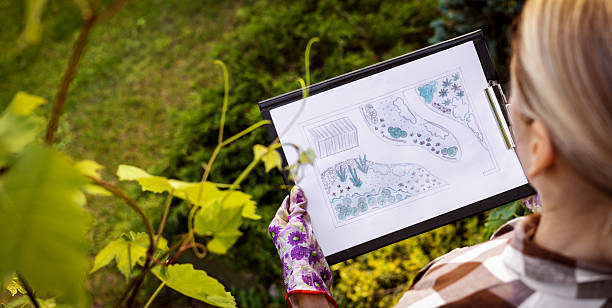
Note length, width, and fixed obstacles: doors, drains, trees, patios, and utility boxes. Sketch a simple layout so you can see what fits before moving anything.
Track sunlight honestly:
I once planted sun-loving flowers in a “bright-looking” corner that only got 2 hours of real sun—they all stretched and died. Spend a day checking sun and shade hourly. Note wind tunnels, heat reflected off walls, and damp spots.
Decide what you actually use the space for:
Do you want to sit and read? Grow vegetables? Eat outside? Store tools?
In my small garden, I combined a tiny seating nook with a narrow planter—no extra space wasted.
Use one clear focal point:
Too many focal points make small spaces feel chaotic. I used a small potted tree as my main eye-catcher, and everything else fell into place easily.
2. Choosing flower bed types (what actually works in small spaces)
Not all garden beds fit tight areas. These are the most practical, space‑saving styles I use:
-
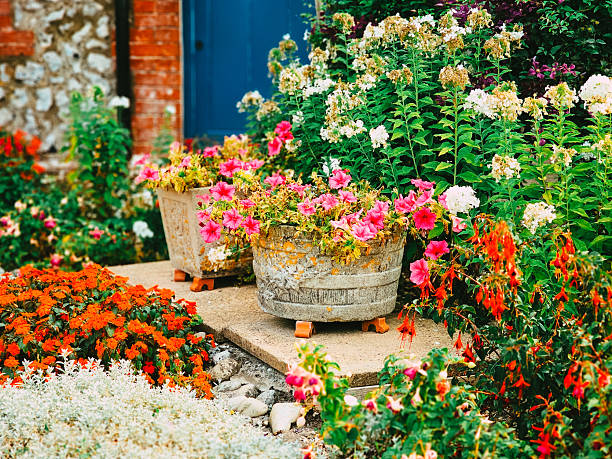
Containers & pots:Portable, flexible, and perfect for paved areas or balconies. I move mine seasonally to follow sunlight.
-
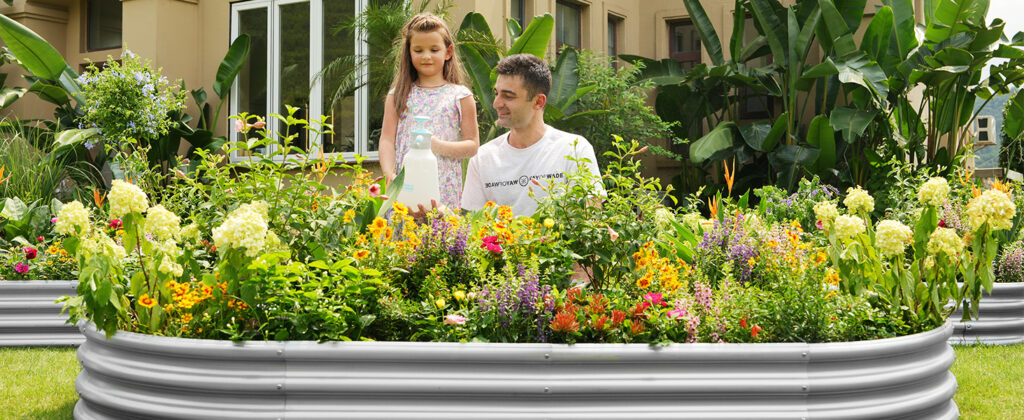
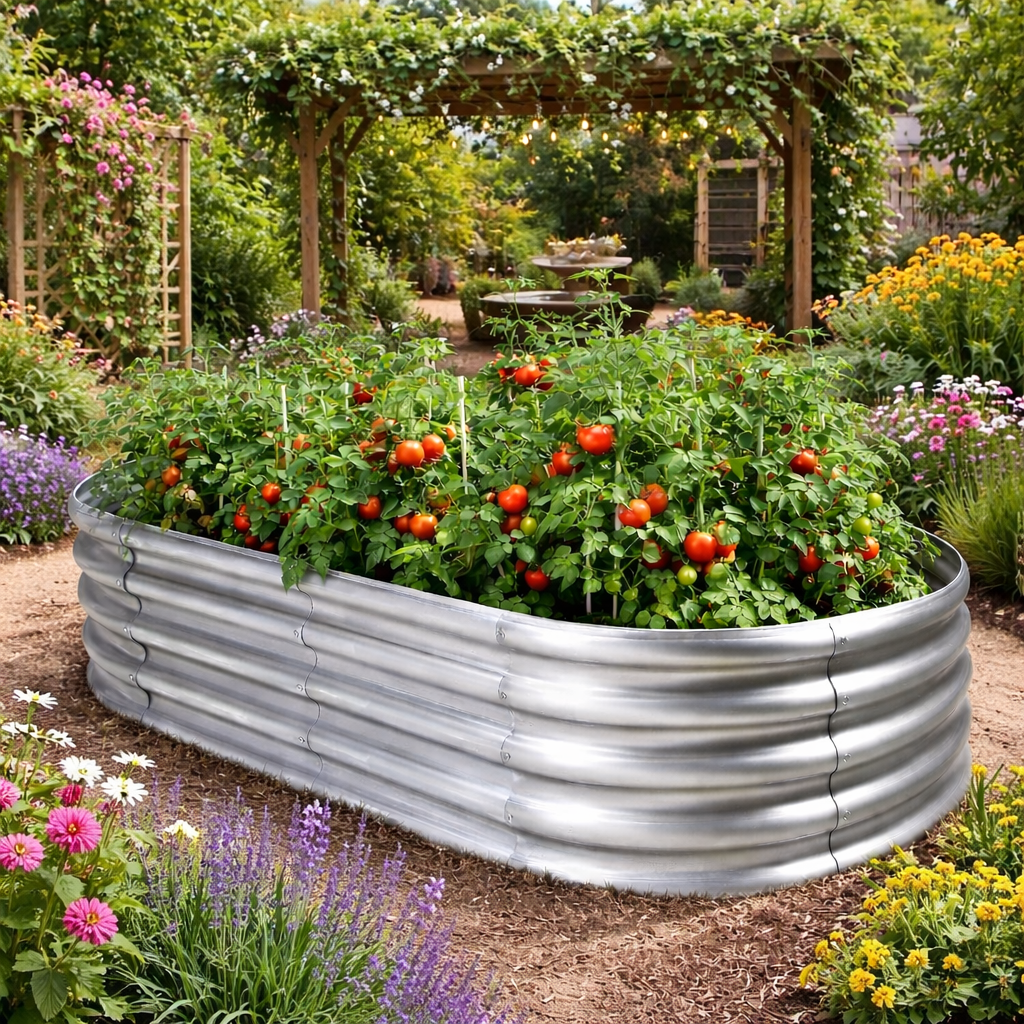
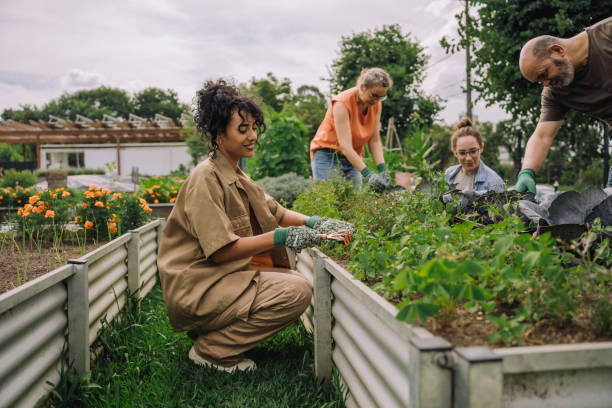
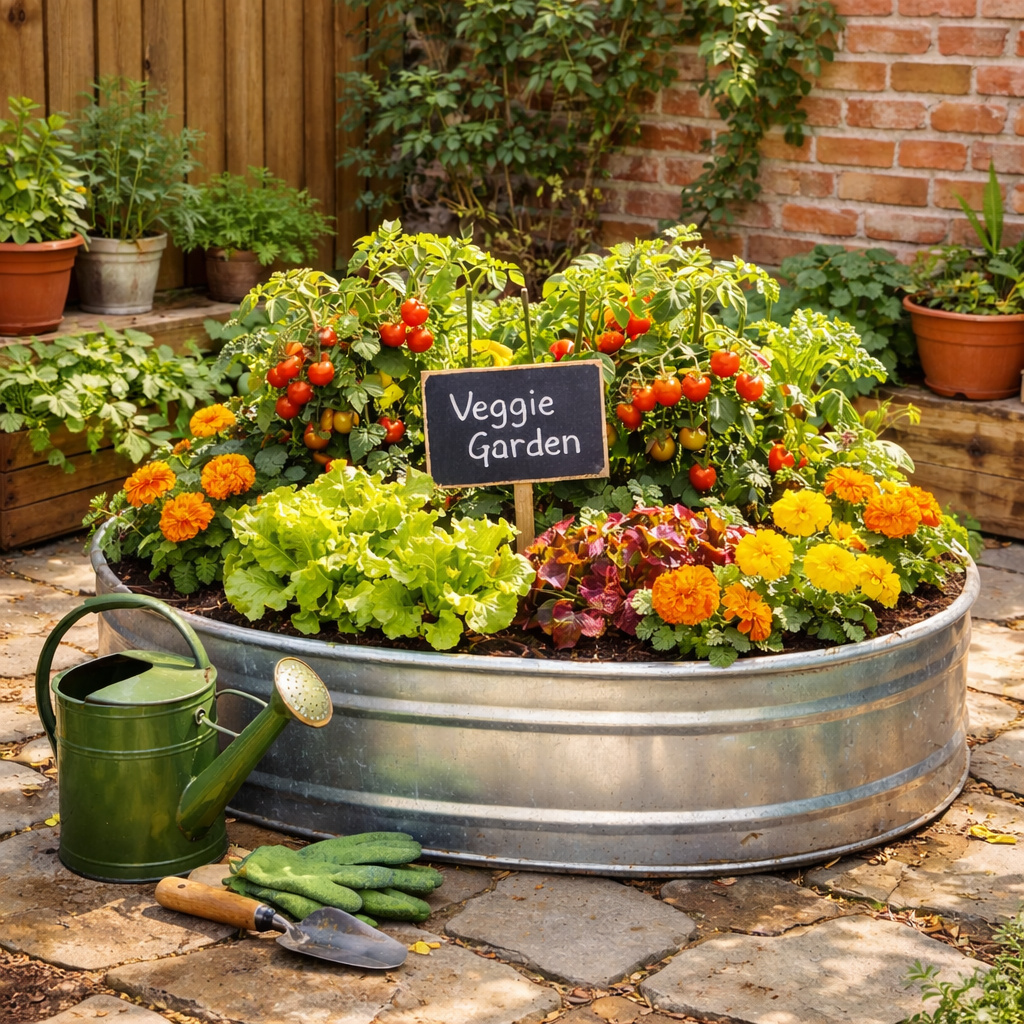
Raised beds:Tidy, easy to reach, and great for vegetables or mixed flowers. They also make the garden look intentional.
-
Border & edge beds:Narrow beds along fences or paths add greenery without taking up walking space.
-
Vertical planters & trellises:A game-changer for small spaces. Climbing plants double your growing area without spreading outward.
-
Window boxes & mixed planters:Use the “thriller, filler, spiller” method for full, professional-looking displays.
Choose based on your sunlight, how permanent you want it, and how easily you can reach plants to care for them.
3. Layout and arrangement — make small feel spacious
The biggest mistake I made was crowding every corner. These layout tricks made my garden feel bigger:
-
Keep one clear path:A single, uncluttered path leading to your focal point instantly opens up the space.
-
Repeat plants in small groups:Instead of mixing 20 different plants, repeat 3–5 varieties in groups of 3 or 5. This creates rhythm and calm.
-
Layer vertically:Mix tall climbers or small shrubs, mid-height perennials, and low groundcovers. This adds depth without spreading outward.
-
Use soft curves or gentle diagonals:Straight, boxy lines make small spaces feel smaller. Curved edges and diagonal sightlines trick the eye into seeing more room.
-
Scale furniture down:I once bought a “compact” outdoor set that still overwhelmed my yard. Switching to a small folding bench made the whole area feel bigger instantly.
4. Plant selection — smart, compact, multi-tasking plants
In small gardens, every plant must earn its place. Here’s what I learned to pick:
-
Choose dwarf or patio varieties:Full-sized shrubs and bushes quickly take over tight spaces. Compact cultivars stay neat and manageable.
-
Prioritize foliage and texture:Flowers fade, but interesting leaves—grasses, variegated plants, soft lambs’ ear—keep the garden looking full all year.
-
Aim for all-season interest:Mix evergreens, spring bulbs, summer perennials, and plants with winter structure. My small garden never looks bare anymore.
-
Pick pollinator-friendly plants:Lavender, salvia, cosmos, and native wildflowers bring life without mess.
-
Combine edible and ornamental:Herbs, small peppers, and dwarf blueberries look great and give you something to harvest. I tuck rosemary and thyme into my flower borders.
-
Match plants to real light conditions:No amount of care fixes a sun-lover in deep shade. I learned this through dozens of dead plants.
5. Soil and fertilizer — the real foundation
Good soil makes small gardens thrive instead of just survive.
-
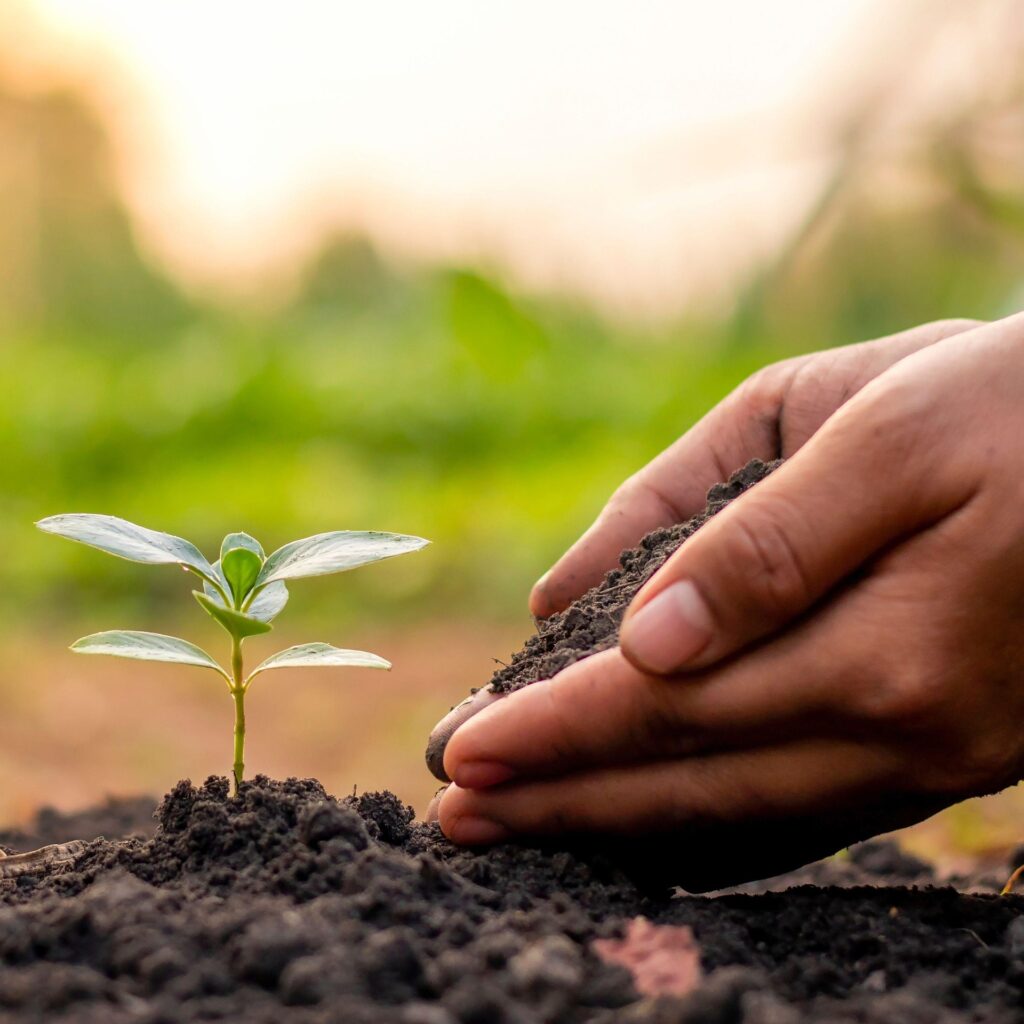
Use quality soil from the start:For containers, never use garden dirt—invest in lightweight potting mix.
-
Improve soil with compost:Compost boosts drainage, feeds plants, and cuts down on future work. I add a layer every spring.
-
Mulch to save time and water:A 2–3 inch layer of organic mulch stops weeds, holds moisture, and keeps roots cool.
-
Feed gently:Slow-release organic fertilizer in spring for beds; liquid feed every 2–4 weeks for containers. Overfeeding causes leggy, weak growth—and more work.
6. Irrigation and maintenance — simple systems for small spaces
Small gardens should be easy to maintain, not another chore.
-
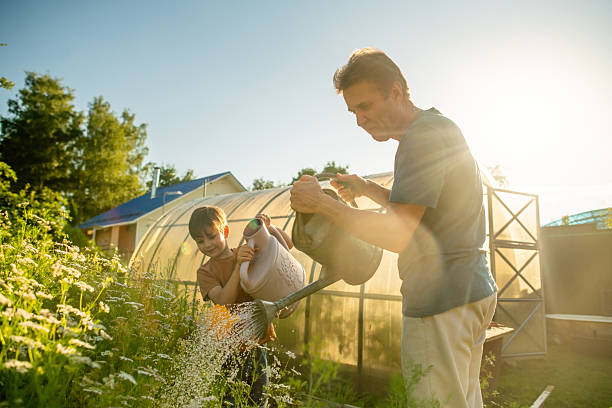
Water smart, not often:Established beds usually need about 1 inch of water per week. Containers dry out fast and may need daily checks in summer.
-
Use efficient watering tools:Drip lines, soaker hoses, and self-watering pots save time and reduce waste. I use a simple timer so I don’t forget.
-
Stick to a light maintenance rhythm:Weekly: quick check for water, weeds, and dead blooms.Monthly: light trim and refresh containers.Seasonally: top up mulch and divide overgrown plants.
-
Control pests naturally:Encourage beneficial insects, hand-pick bugs, and use insecticidal soap only when needed. Healthy soil = fewer pest problems.
7. Decoration and personalization — make it feel like yours
Small spaces shine with subtle, intentional accents—not clutter.
-
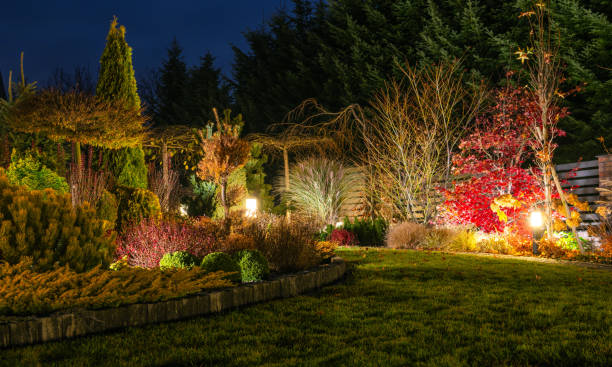
Soft lighting:String lights and solar path lights extend use into evenings and create a cozy feel.
-
Compact furniture & textiles:Foldable chairs, small cushions, and a thin outdoor rug define a seating area without crowding.
-
Vertical accents:Trellises, wall planters, and small art add personality without taking floor space.
-
Stick to a simple color palette:2–3 main colors keep the space calm and cohesive. Too many colors make small areas feel messy.
-
Add scent near seating:Jasmine, lavender, and lemon balm near my bench make the garden feel calming and special.
-
Swap seasonally:Use containers to switch plants: spring bulbs → summer flowers → fall foliage.
8. Accessibility, sustainability, and safety tips
-
Paths should be at least 2.5–3 ft wide for easy movement.
-
Raised beds at bench height reduce bending and make gardening accessible for everyone.
-
Use native plants, compost, and water-saving tools for a lower-effort, eco-friendly space.
-
Avoid spiky or toxic plants if children or pets use the area.
-
Keep sightlines clear near gates and driveways for safety.
Conclusion
A great small garden isn’t about how much you fit in—it’s about how thoughtfully you use every inch. By measuring carefully, matching plants to light, using vertical layers, and keeping maintenance simple, you can turn a tiny space into a lush, usable retreat.
Small gardens are forgiving and flexible. You can tweak layouts, move containers, and swap plants as you learn what you love. With a little attention, your compact space will grow more enjoyable every season.