Nasturtiums stand out as one of the most rewarding, fuss-free annual flowers I’ve grown in my backyard over the past three years. As a casual home gardener who balances busy schedules with outdoor planting, I’ve tested dozens of low-effort blooms, and none compare to how reliably nasturtiums perform. Paired with galvanized raised garden beds—my go-to planting setup for organized, long-lasting backyard landscaping—these vibrant flowers transform plain growing spaces into lively, layered greenery with almost no extra work.
Whether you’re a complete gardening newbie, a busy hobbyist, or someone looking to mix ornamental beauty with functional edible plants, nasturtiums check every box. Their fast growth, vivid multi-toned blooms, and tough, adaptable nature make them far more versatile than generic bedding flowers, and pairing them with structured galvanized raised beds elevates both growth health and overall yard aesthetics.
Why Grow Nasturtiums? Real Benefits From My Backyard Experience
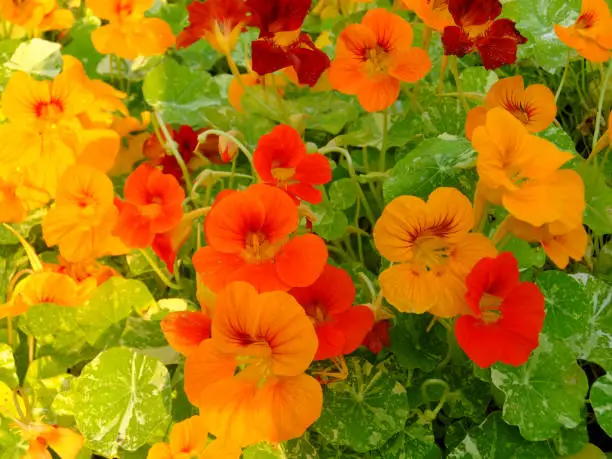
Most gardeners fall for nasturtiums for their bright orange, yellow, and red blooms, round lush foliage, and hands-off care needs, but my years of growing them have uncovered far more unique, practical perks you won’t find in basic flower guides:
-
Edible garden value: Every part (flowers, leaves, and young seed pods) has a fresh, peppery, arugula-like kick. I regularly toss fresh nasturtium petals into summer salads and cold pasta dishes to add color and light spice—an easy way to grow fresh gourmet ingredients right at home.
-
Natural garden pest control: This is my favorite hidden benefit. Nasturtiums act as a powerful trap plant for aphids, whiteflies, and cucumber beetles. I plant them along the edges of my vegetable raised beds, and they draw harmful pests away from tomatoes, cucumbers, and leafy greens, cutting down on chemical pesticide use entirely.
-
Pollinator magnet: Bees, butterflies, and hummingbirds are consistently drawn to their open blooms. After adding nasturtiums to my yard, I noticed a clear boost in fruit and vegetable yields thanks to improved natural pollination.
-
Space-filling flexibility: They fill bare gaps in raised beds, soften hard metal edges of galvanized planters, and require no constant pruning to look polished.
-
Self-seeding capability: Once established, my nasturtiums drop seeds each fall and regrow naturally the next spring, saving time and money on yearly replanting.

Choosing the Right Nasturtium Variety (My Hands-On Variety Guide)
Selecting the correct type is the first key to a thriving display, and I learned this lesson the hard way my first growing season. I picked random mixed seeds without checking growth habits, resulting in overcrowded beds and messy, unbalanced growth. There are two core categories, each tailored for distinct raised bed designs:
-
Bush Nasturtiums
Compact, dense, and neatly mounded, growing 12–18 inches wide. Perfect for raised bed borders, narrow planting rows, and small-sized galvanized beds. Ideal for gardeners who want tidy, contained growth without spreading vines.
-
Trailing/Climbing Nasturtiums
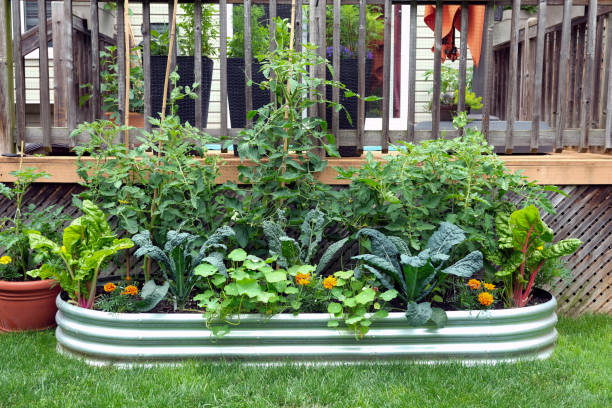
Sprawling, cascading vines that can stretch 3–4 feet long. These are my top pick for standard galvanized raised beds. Their trailing stems spill gracefully over metal bed edges, creating a soft, rustic layered look that balances the sharp industrial style of metal planters. They also work beautifully for mixed container and patio edge planting.
Ideal Growing Conditions: Tailored for Galvanized Raised Beds
Nasturtiums are incredibly resilient, but optimizing their core conditions ensures heavier blooming and healthier plants—especially in raised bed systems. After seasonal testing, I’ve refined the exact growing parameters for consistent success:
-
Sunlight: 6–8 hours of full direct sun daily is optimal. They tolerate light partial shade, but shaded spots lead to leggy growth and fewer flowers. In ultra-hot summer regions, mild afternoon shade prevents leaf scorch.
-
Soil Requirements: Well-drained, low-to-moderate fertility soil with a pH of 6.0–7.0. Poor soil is actually better for nasturtiums; overly rich soil triggers excessive leaf growth and minimal blooms.
-
Temperature: Thrive in mild 60–75°F temperatures. They struggle in sustained extreme heat and cannot survive frost.
-
Unique Raised Bed Advantages: Galvanized raised beds solve two common nasturtium pain points I faced with in-ground planting: superior drainage to avoid root rot, and faster soil warming in early spring. My raised bed nasturtiums germinate 5–7 days earlier than ground-planted ones, extending the blooming season by weeks.
Step-by-Step Planting Guide (Beginner-Friendly & Field-Tested)
Planting nasturtiums is far simpler than most flowering annuals, and with one small pre-plant trick, you can boost germination rates to nearly 100%. Here is my proven step-by-step method:
-
Timing is critical: Wait until all spring frost has passed and soil temperatures stabilize above 50°F. Early cold soil causes stunted seed growth.
-
Optional seed pre-treatment: Nasturtium seeds have a tough outer shell. I soak seeds in room-temperature water for 4–6 hours before sowing to soften the shell and speed up sprouting—this small step eliminates spotty germination.
-
Direct sowing setup: Plant seeds ½ inch deep into loose, aerated raised bed soil.
-
Smart spacing: Space bush varieties 8–10 inches apart; trailing types 10–12 inches apart to avoid overcrowding and improve air circulation.
-
Initial watering: Lightly mist the soil after planting to keep it evenly moist, not waterlogged.
-
Germination timeline: Seedlings emerge in 7–10 days under ideal raised bed conditions.
Practical Maintenance Tips for Continuous Blooms
With minimal routine upkeep, nasturtiums will bloom nonstop from late spring through early fall. These quick maintenance habits take 5 minutes or less per week:
-
Deadhead spent blooms: Pinch off wilted flowers regularly to redirect the plant’s energy into producing new buds instead of seed production. This single task doubles my seasonal bloom volume.
-
Light trimming for leggy growth: If stems stretch thin from too much shade, trim back overgrown foliage to encourage bushier, fuller growth.
-
Embrace trailing growth: Let trailing varieties spill naturally over galvanized bed edges. No heavy trimming required—their cascading vines create a relaxed, curated backyard landscape with zero extra effort.
-
Controlled spread: Raised bed borders contain aggressive trailing roots, preventing unwanted spreading into lawns or vegetable plots.
Common Growing Problems & Proven Fixes (My Top Gardening Mistakes Solved)
Even hardy nasturtiums face a few predictable issues, and I’ve troubleshooted every common problem in my own raised bed garden:
-
Lots of leaves, very few flowers
Cause: Excess fertilizer, overly rich soil, or insufficient sunlight.
Fix: Stop all feeding immediately, trim shaded surrounding foliage, and relocate potted nasturtiums to sunnier raised bed sections.
-
Yellowing, drooping leaves
Cause: Overwatering or compacted soil blocking drainage.
Fix: Poke small aeration holes in raised bed soil and extend watering intervals to let roots dry out.
-
Aphid infestations
Cause: Warm, humid weather with poor air flow.
Fix: Spray affected stems with a strong stream of plain water in the early morning. Since nasturtiums are trap plants, minor aphid presence is normal and protects nearby crops—only treat severe infestations.
Quick Nasturtium Care Cheat Sheet (Quick Reference for Busy Gardeners)
| Care Factor | Key Recommendation |
|---|---|
| Sunlight | 6–8 hours full sun daily |
| Soil | Well-drained, low-fertility, pH 6.0–7.0 |
| Planting Method | Direct sow after last frost; pre-soak seeds for faster growth |
| Watering | Moderate, allow soil to dry between waterings |
| Fertilizer | Never fertilize |
| Best Planting Vessel | Galvanized raised garden beds |
Final Thoughts
After three full growing seasons, I confidently recommend nasturtiums as a must-have addition to any backyard, especially for gardeners using galvanized raised garden beds. They bridge the gap between decorative landscaping, edible gardening, and eco-friendly pest control—all with minimal time, cost, and maintenance.
Unlike short-lived, high-fuss seasonal flowers, nasturtiums deliver long-lasting color, functional harvests, and a soft natural contrast to sleek metal raised bed structures. For new gardeners looking to build confidence or seasoned hobbyists wanting to simplify their yard upkeep, this unassuming multi-purpose flower consistently overperforms. With just basic care, you’ll enjoy months of vibrant blooms, homegrown edible greens, and a more balanced, pollinator-friendly backyard ecosystem.
FAQ
Do nasturtiums spread aggressively?
Only trailing varieties have sprawling vines. When grown in galvanized raised beds, their spread stays controlled along bed edges without overtaking other plants. Bush types remain compact and require no containment.
Are nasturtiums suitable for total gardening beginners?
Absolutely. They are one of the most forgiving flowers to grow from seed, with strong disease resistance and flexible growing needs. My first successful backyard flower crop was nasturtiums, and they require no specialized tools or gardening knowledge.
Should I add plant food or fertilizer to nasturtiums?
No. Fertilizer, nitrogen-rich soil amendments, and compost overload will lead to excessive leafy growth and limited flowering. Low-nutrient soil is ideal for healthy, blooming nasturtiums.
What is the best window for planting nasturtium seeds?
Plant outdoors immediately after your local final frost date, once raised bed soil has warmed steadily. Cold, damp early spring soil will delay germination and weaken young seedlings.