If you’ve ever had wooden planters rot in 2 seasons or plastic beds warp and crack under the summer sun, you know the frustration of building a garden only to replace the containers year after year. I’ve been there: my old raised beds warped so bad the sides bulged, soil spilled out, and weeds took over the gaps. That’s when I tried a ground-level galvanized steel garden bed—and it changed everything. These no-fuss, open-bottom beds sit right on your lawn, patio, or native soil, and they’ve outlasted every planter I’ve ever owned.
After 3 years of using mine for veggies, strawberries, and even flowers, I’m sharing exactly why they work, how to set them up, and the hacks that kept my harvest bountiful season after season.
Why Ground-Level Galvanized Beds Beat Every Other Option
Let’s cut the marketing fluff—here’s what actually makes these beds worth the switch, from my own experience:
- Unbeatable Durability (10+ Years, No Maintenance)Mine’s been through heavy rain, snow, and 100°F summer heat for 3 years straight. The double-layer galvanized steel (0.79mm thick) hasn’t rusted, warped, or bulged once. Unlike wood, it won’t rot or splinter; unlike plastic, it won’t crack or leach chemicals into your soil.
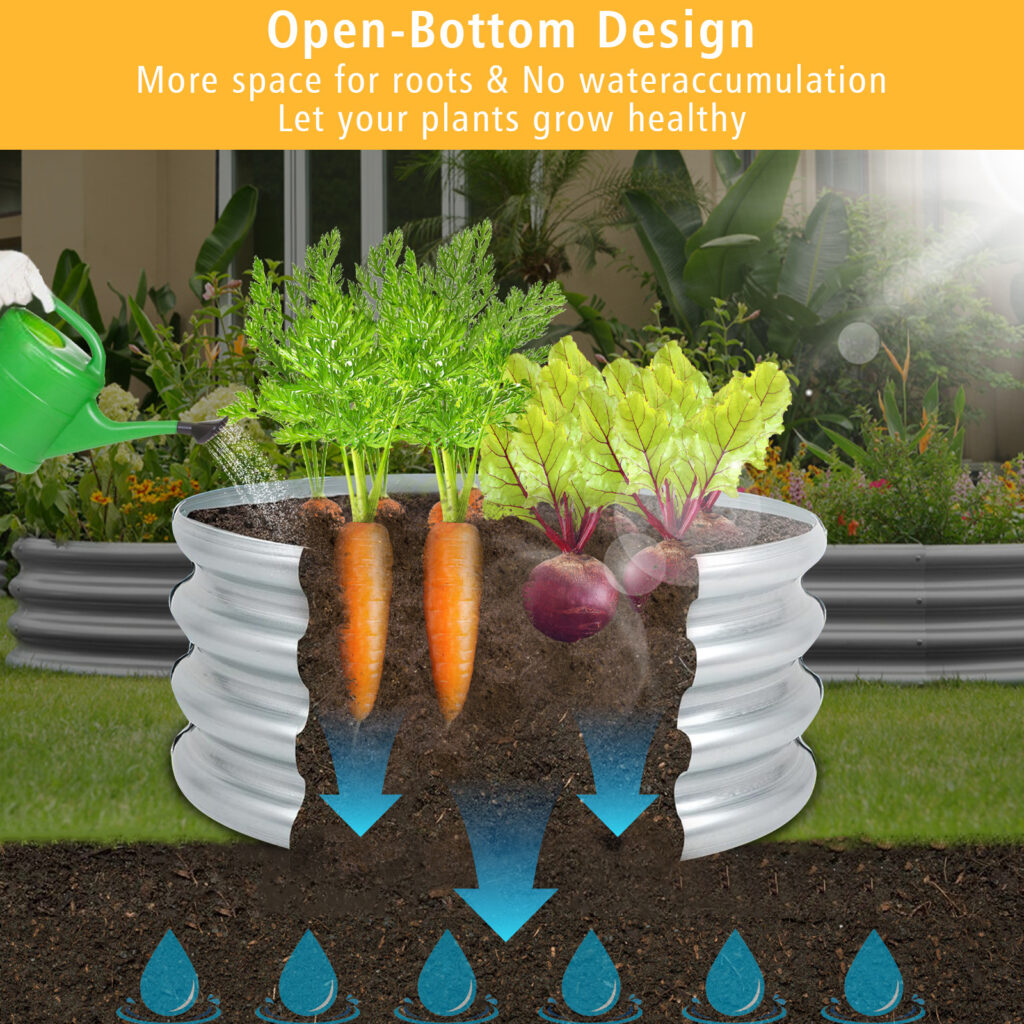
- Open-Bottom = Healthier Plants (No Root Rot, Ever)My old closed-bottom beds used to get waterlogged after heavy rains, and my tomatoes would get root rot. These open-bottom beds let water drain straight into the ground, and roots can grow deep into native soil. My strawberry plants even spread runners into the grass and came back stronger the next year.
- 10-Minute Assembly (No Tools Needed)I set mine up on my patio before work one morning—no drill, no wrench, just hand-tightened wing nuts. Foldable models collapse flat for off-season storage, which is perfect if you have a small balcony like I do.
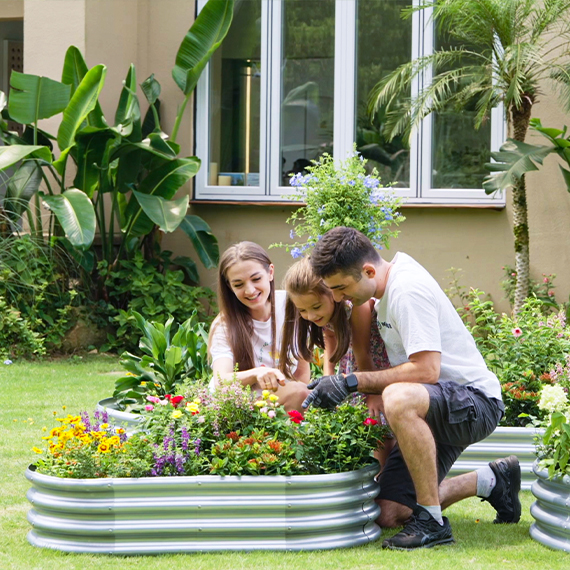
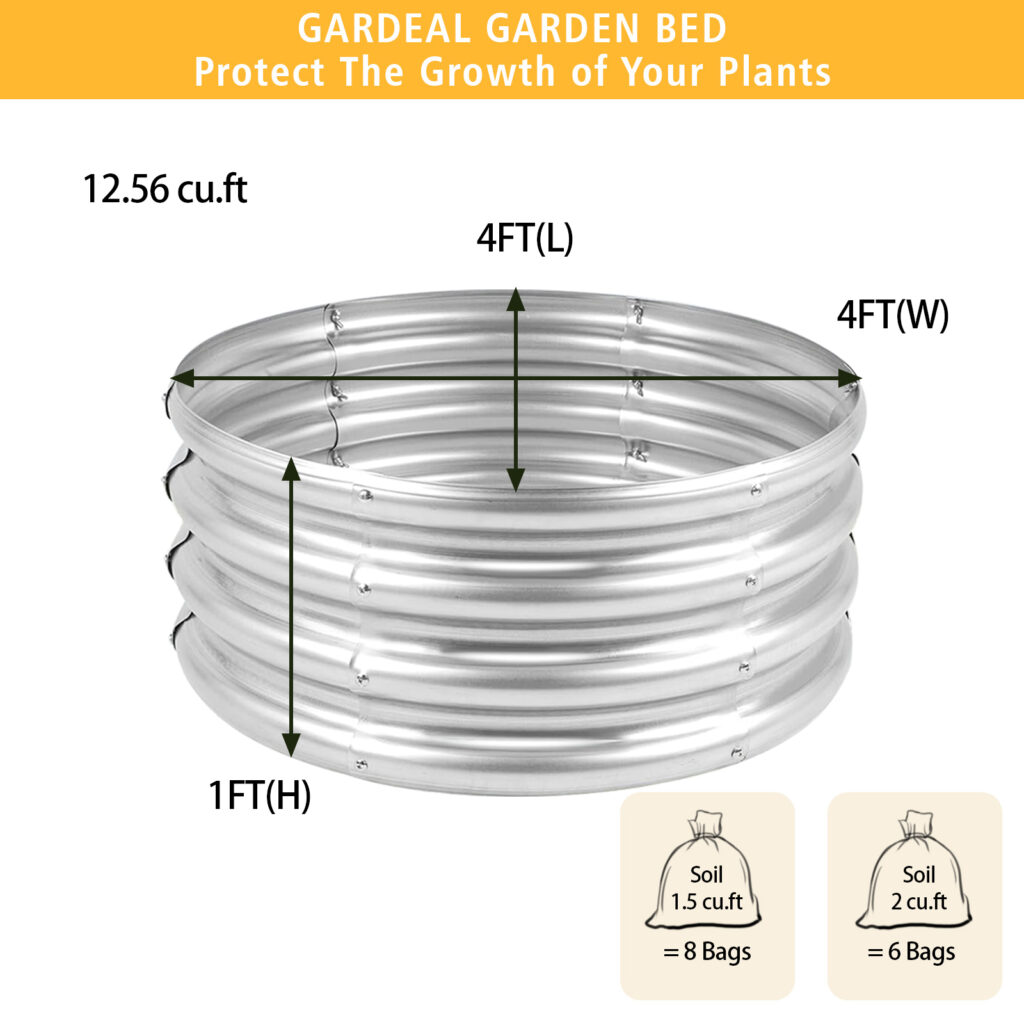
- Wavy Sides = Built-In StabilityThe corrugated design keeps the sides rigid even when filled with heavy soil. I used to have wooden beds bulge and lean on uneven ground, but these stay perfectly straight, no extra bracing required.
Step-by-Step Guide to Using Your Ground-Level Galvanized Bed
Here’s the no-nonsense process I follow every spring, with lessons I learned the hard way:
1. Pick the Perfect Spot (3 Non-Negotiables)
- Sunlight First: 6–8 hours of direct sun daily. My first bed was in partial shade, and my lettuce bolted early. I moved it to a full-sun spot, and harvests doubled.
- Level, Well-Drained Ground: Uneven ground makes the bed tilt, so pick a flat spot. If your yard pools water, lay a 1–2 inch layer of gravel under the bed to boost drainage.
- Easy Access: Keep the width under 4ft so you can reach all plants without stepping in the soil (compaction kills roots!). My 3ft-wide bed is perfect for tending from both sides.
2. Assemble in 10 Minutes (No Tools Required)
- Lay out all parts (panels, corner brackets, wing nuts) on a flat surface.
- Align the panels with the brackets and tighten the wing nuts by hand.
- Foldable models stay rigid when assembled, but collapse flat for winter storage—great for small patios or balconies.
3. Prep the Ground & Soil (My Go-To Blend)
- Weed Control (Optional): Line the bottom with landscape fabric if weeds are a problem. I skipped it, and my plants rooted into the native soil, but if you have invasive weeds, it’s worth the extra step.
- My Perfect Soil Mix:
- 40% organic topsoil
- 40% compost (homemade or store-bought)
- 20% perlite (for aeration)
- Fill to 1–2 inches below the rim to prevent spillage when watering.
4. Plant Like a Pro (Maximize Space, Minimize Work)
- Square Foot Gardening Hack: Divide the bed into 1ft squares (use string or a marker). Plant 1 tomato per square, 9 lettuce plants per square, or 16 carrots per square. This stopped me from overcrowding plants, which was my biggest early mistake.
- Group by Water Needs: I cluster thirsty plants (tomatoes, cucumbers) together, and drought-tolerant herbs (rosemary, thyme) in a separate section. This way, I don’t overwater my herbs or underwater my veggies.
- Perfect for Sprawling Crops: The open sides are great for strawberries, pumpkins, or squash—their vines can trail over the edges into your yard, no trellis needed.
5. Maintain for Year-Round Success (Low Effort, Big Rewards)
- Water Deeply, Not Daily: Water 2–3 times a week (1–2 inches each session) instead of light daily sprays. My beds dry out faster than in-ground soil, but deep watering encourages roots to grow down instead of staying shallow.
- Weed Sparingly: The bed’s raised edge keeps most weeds out. I pull small weeds as soon as I see them—they’re easy to remove before their roots spread.
- Feed Every 4–6 Weeks: Add a 1–2 inch layer of compost, or use organic liquid fertilizer for heavy feeders like peppers and squash.
6. Store for Off-Season (Foldable Beds Only)
- Empty the soil (or cover it with a tarp if you want to reuse it).
- Fold the bed flat and store it in a garage or shed. The galvanized steel resists corrosion, so it’ll be ready to go next spring.
My Top 3 Pro Tips (Learned the Hard Way)
- Pest Protection: Line the bottom with hardware cloth to stop rodents from digging up root crops like carrots and beets. I lost half my first carrot harvest to voles before I did this.
- Crop Rotation: Swap plant families every year (e.g., grow greens where tomatoes grew last season) to keep soil healthy and prevent pests. My tomatoes were plagued by blight until I started rotating.
- Add a Border: Surround the bed with gravel or mulch to define the space and prevent soil erosion. It also keeps the bed from sinking into soft ground over time.
Ground-level galvanized garden beds aren’t just another planter—they’re a low-effort, long-term investment in your garden. No more replacing rotting wood or warped plastic every few years, no more bulging sides or waterlogged roots. For me, they turned my patio into a productive garden that’s still going strong after 3 years.
If you’re tired of disposable planters and want a garden that works as hard as you do, give a ground-level galvanized bed a try. You’ll spend less time fixing your containers and more time harvesting fresh veggies, herbs, and flowers.
Ready to build your own? Grab your galvanized bed, roll up your sleeves, and let the growing season begin!